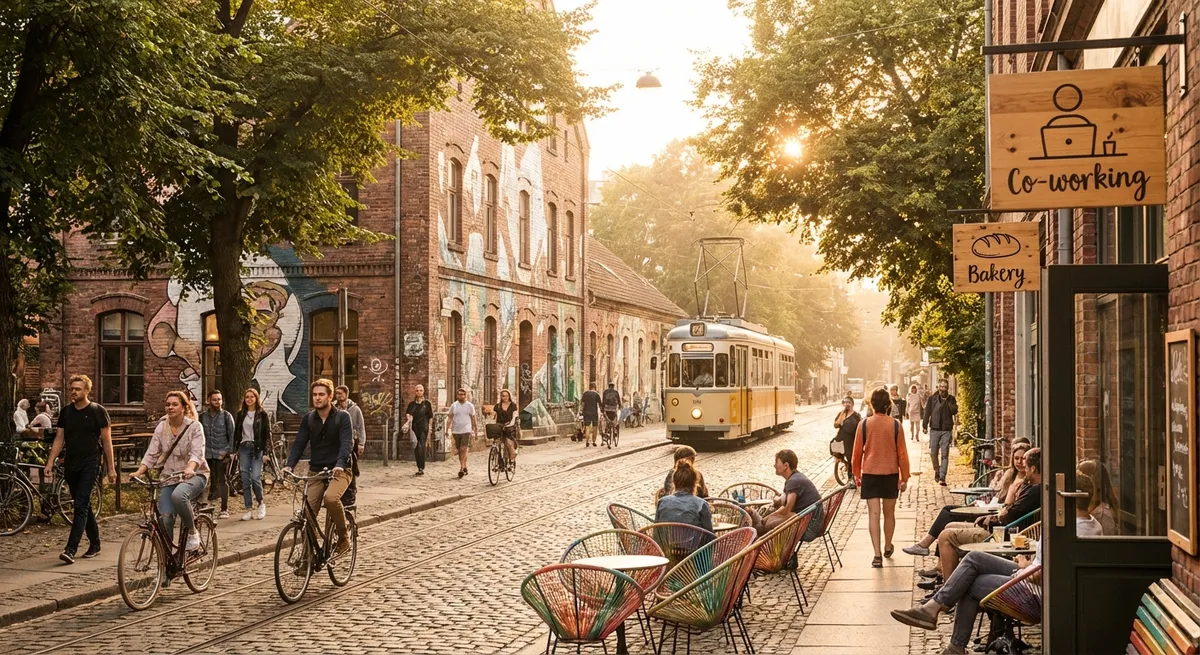
Some destinations are perfect for a long weekend. Others quietly whisper, “You could live here.” This guide is all about those surprisingly liveable cities—the ones where the café on the corner, walkable streets, and local routines feel just as exciting as the museums and viewpoints. If you’ve ever left a trip wondering, “Could I actually move here someday?” this is your kind of adventure planning.
We’ll look at how to find cities that are easy to navigate, safe, and culturally rich, plus practical tips to help you experience each place not just as a tourist, but as a temporary local.
What Makes a City Feel “Liveable” When You’re Traveling?
Liveable cities are the sweet spot between comfortable and captivating. You’re not just ticking off attractions—you’re slipping into a rhythm.
Core traits to look for:
- Walkability and transit: Sidewalks, bike lanes, and reliable public transport make it easy (and more fun) to explore. You’ll see more of daily life and spend less on taxis.
- Access to everyday essentials: Supermarkets, pharmacies, laundromats, and cafés within walking distance matter more than you think—especially on longer stays.
- Green spaces: Parks and waterfronts give you breathing room between busy sightseeing days and are great spots for picnics, reading, or people-watching.
- Safety and comfort: Low crime rates, good lighting, and locals using public spaces at night go a long way toward making you feel at ease.
- Community energy: Markets, neighborhood festivals, street musicians, and busy plazas create that “I could get used to this” feeling.
Think of your destination not just as a checklist, but as a place where real life unfolds—and you’re stepping into it for a little while.
Inspiring Examples: Cities That Balance Comfort and Discovery
You can find “I could live here” cities on every continent. Here are a few to spark your imagination and help you recognize the pattern when you see it:
Lisbon, Portugal
Colorful trams, layered hills, and ocean breezes give Lisbon instant charm. But beyond the viewpoints, its affordable cafés, strong digital nomad scene, and compact neighborhoods make it ideal for longer stays. You can base yourself in one area (like Graça or Campo de Ourique) and still feel like you’re discovering new spots every day.
Melbourne, Australia
Often cited in global liveability rankings, Melbourne blends efficient tram lines, safe streets, and incredible coffee culture. Its laneways are filled with street art and independent shops, and the city radiates out into distinctive neighborhoods—Fitzroy, St Kilda, Brunswick—each with its own vibe.
Copenhagen, Denmark
Bike paths, clean streets, and human-centered urban design help Copenhagen feel amazingly easy to navigate. You can cycle from harbor baths to parks, then end your day in a cozy bakery or food hall. It’s a great example of a city where everyday experiences—like picking up pastries or biking over a bridge at sunset—become trip highlights.
Vancouver, Canada
Mountains, ocean, and a lively downtown meet here. Stanley Park, seawall promenades, and excellent public transit make it a dream base for visitors who love the outdoors but still want city comforts. It’s also a jumping-off point for weekend trips to Whistler or Vancouver Island, which adds variety to longer stays.
Kyoto, Japan
Known for temples and tradition, Kyoto is also incredibly approachable. Neighborhoods are calm and walkable, buses and trains are efficient, and there’s a quiet charm in its markets, local ramen spots, and sento (public baths). It’s a great destination for travelers who want cultural depth without constant big-city sensory overload.
You don’t need to visit these exact cities to have a “liveable” trip—but noticing what they have in common helps you spot similar places that match your style.
Five Practical Tips to Experience Destinations Like a Local
You can turn almost any city into a more liveable, immersive experience with a few smart moves. Here are five practical tips you can use on your next trip.
1. Choose Your Neighborhood Like You’re Moving In
Instead of starting with “How close is this to the main sights?” ask: “How does this area feel when I walk around?”
What to look for when picking a base:
- Daily-life streets: Bakeries, small groceries, kids walking to school, and people walking dogs signal a local, liveable area.
- Transit connections: Being near a metro or tram line often matters more than being next door to one attraction. You’ll move around more easily and see different districts.
- Noise level: Read recent reviews for mentions of nightlife noise, traffic, or construction. A great neighborhood can still be exhausting if your room faces a party street.
- Nearby green space: A park within 10–15 minutes walk gives you an effortless reset spot for jet lag, picnics, and people-watching.
Search using phrases like “best neighborhoods to stay in [city] for families / long stays / first-time visitors” and compare recommendations. This helps you avoid tourist-only pockets and discover areas that people actually live in.
2. Plan “Normal Life” Into Your Itinerary
Don’t cram every day with attractions. Intentionally schedule in normal, everyday experiences—they’re often what you remember most.
Easy ideas to try:
- Grocery run: Visit a local supermarket or outdoor market. Check out what snacks, drinks, or ready-made meals locals are buying and pack a simple picnic.
- Routine café: Pick one café near your stay and go there more than once. The staff might start to recognize you, and you’ll notice small daily rhythms: the morning rush, the lunchtime break, the slower evenings.
- Laundry stop: If you’re on a longer trip, doing laundry at a laundromat can be surprisingly social—and gives you downtime to read, journal, or chat with locals.
- Repeat routes: Walk the same street at different times of day. Morning markets, busy lunch hours, and quiet evening strolls each reveal a different side of the city.
Planning these “ordinary” moments balances out busy sightseeing days and helps you connect with the city’s everyday pulse.
3. Use Public Transit Early and Often
Public transit isn’t just practical—it’s a front-row seat to how a city functions.
How to make it easy:
- Download the right apps: Look for the city’s official transit app or use tools like Google Maps and local route planners. Many systems offer live updates on delays or route changes.
- Get a city transport pass: Day or multi-day passes often save money and reduce friction. Once you’ve paid, you’ll be more likely to hop on a tram or metro just to explore a new area.
- Start with low-pressure trips: For your first ride, choose a straightforward journey during non-rush hours so you can figure things out without feeling rushed.
- Watch how locals pay and move: Before boarding, notice whether people tap a card, validate a paper ticket, or pay the driver. This small observation can save you from fines or confusion.
By your second or third day, the metro map or tram lines will start to feel familiar—a tiny but powerful step toward feeling at home.
4. Mix “Big-Hit” Sights with Hyper-Local Spots
Balancing famous attractions with neighborhood gems keeps your trip from feeling like a museum marathon.
A simple approach:
- Anchor your day with one major sight: A museum, famous viewpoint, or historical landmark.
- Pair it with something local within walking distance: A small park, a recommended bakery, a side street with street art, or a community market.
- Ask real people for one suggestion: Instead of “What should I see?” try “If I only had one more hour in this neighborhood, where would you go?” Hotel staff, café baristas, or shop owners usually have great answers.
- Say yes to small invitations: A flyer for a local concert, a pop-up market, or a community event can transform your evening into a memorable local experience.
This mix keeps your days full of variety and context—you’ll remember not just what you saw, but how it felt to be there.
5. Test-Drive “Living There” With a Short Stay Mindset
If you’re curious whether you’d enjoy living in a place someday, treat part of your trip as a trial run.
During at least one full day, try this:
- Work or study from a local spot: Bring your laptop or book to a co-working space, library, or quiet café. Notice Wi-Fi quality, noise levels, and how productive you feel.
- Run a small errand: Buy a local SIM card, mail a postcard, or navigate a pharmacy visit. You’ll quickly see how comfortable you feel handling basic tasks in that environment.
- Time your commute: Try traveling across town during busy hours to see how crowded, efficient, or stressful it feels.
- Observe your energy: At the end of the day, ask yourself: “Could I handle this pace and layout every day?” The answer might surprise you—positively or negatively.
Even if you never actually move, this mindset deepens your connection to the city and makes the experience more meaningful than a standard tourist pass-through.
Bringing It All Together: Turning Trips Into “Could-I-Live-Here?” Adventures
Exploring liveable cities isn’t about finding a “perfect” place. It’s about choosing destinations where everyday life is part of the fun—where a grocery run, park stroll, or tram ride feels as memorable as the skyline view.
When you:
- Pick neighborhoods with real daily life,
- Build normal routines into your days,
- Lean on public transit,
- Blend major sights with neighborhood discoveries, and
- Test-drive living there for a day,
you stop feeling like you’re just visiting and start feeling like you belong—at least for a little while.
On your next trip, try shifting your goal from “How much can I see?” to “What would it feel like to stay?” You might come home with a new favorite city—and the quiet thought that one day, your return ticket could be one-way.
Sources
- Global Liveability Index 2024 – Economist Intelligence Unit - Provides data and methodology on the world’s most liveable cities
- UN-Habitat – Urban Livability and Quality of Life - Explores what makes cities more liveable, including walkability and public spaces
- World Bank – Urban Development Overview - Discusses how cities can be planned and managed to improve livability for residents and visitors
- Copenhagen City of Architecture – Urban Design and Cycling - Details how Copenhagen’s design and cycling infrastructure contribute to its liveable feel
- Tourism Vancouver – Visitor Information - Offers practical insight into getting around Vancouver, neighborhood guides, and local experiences
Key Takeaway
The most important thing to remember from this article is that this information can change how you think about Destinations.