If you’ve been on social media this week, you’ve probably seen that viral thread about “32 Useless Things People Found That Are Funny For No Reason.” People are posting random, ridiculous objects they swear are completely pointless—yet the internet can’t stop sharing and laughing. While most of those items truly are useless, that whole trend hits on something every budget traveler should care about: knowing the difference between what you actually need and what just looks cool for five seconds.
At Travel Ready, we’re all about stretching your travel budget without stretching your suitcase. So let’s take the spirit of that trending “useless things” thread and flip it. Here’s how to cut out the pointless stuff, spend less, and travel smarter right now—using five practical, share-worthy tips you can apply to your next trip.
1. Pack “Multi-Use Only” and Ditch the Useless Gadgets
That viral “useless things” thread is basically a highlight reel of items travelers often fall for: single-purpose gadgets, bulky organizers, and novelty accessories that eat up space and money. The key budget move? Adopt a multi-use-only rule for your luggage.
Before anything goes in your bag, ask: Can this do at least two different jobs on my trip? A large scarf can be a blanket on the plane, a beach cover-up, a shawl for chilly nights, and even an improvised pillow. A lightweight packing cube can double as a laundry bag or a makeshift day bag. Your phone can replace a separate camera, flashlight, map, guidebook, and even boarding passes if you download airline apps. The more jobs each item can do, the fewer things you need to buy—or check in a paid suitcase. Less stuff means lower baggage fees, easier transit on public transport, and fewer “oops, I left that expensive gadget in the hostel” moments.
2. Turn “Useless” Waiting Time into Real Savings
Those silly “useless things” posts are funny because they waste space. Travelers waste something even more valuable: time. Waiting in lines, sitting at the gate, or scrolling aimlessly in your hostel is “useless time” that you can easily turn into budget wins.
Use airport or train-station downtime to lock in cheaper local deals: check Google Maps and sort restaurants by distance and price, then read recent reviews for “cheap” or “local favorite.” Search “[city] free walking tour” and book one for your first full day. Download offline maps while you’re on free Wi-Fi so you don’t pay for emergency roaming later. If you’re in a country with ride-hailing apps, compare prices across apps before you ever need a ride—then bookmark the cheapest one. In 20–30 minutes of focused planning (instead of mindless scrolling) you can line up affordable meals, free activities, and low-cost transit that might shave hundreds off a week-long trip.
3. Avoid “Useless” Fees with Smarter Money Moves
The internet loves mocking “useless” objects; travelers should be mocking “useless” fees. ATM charges, bad currency exchange rates, and foreign transaction fees are the travel version of buying something that does nothing for you—except drain your wallet.
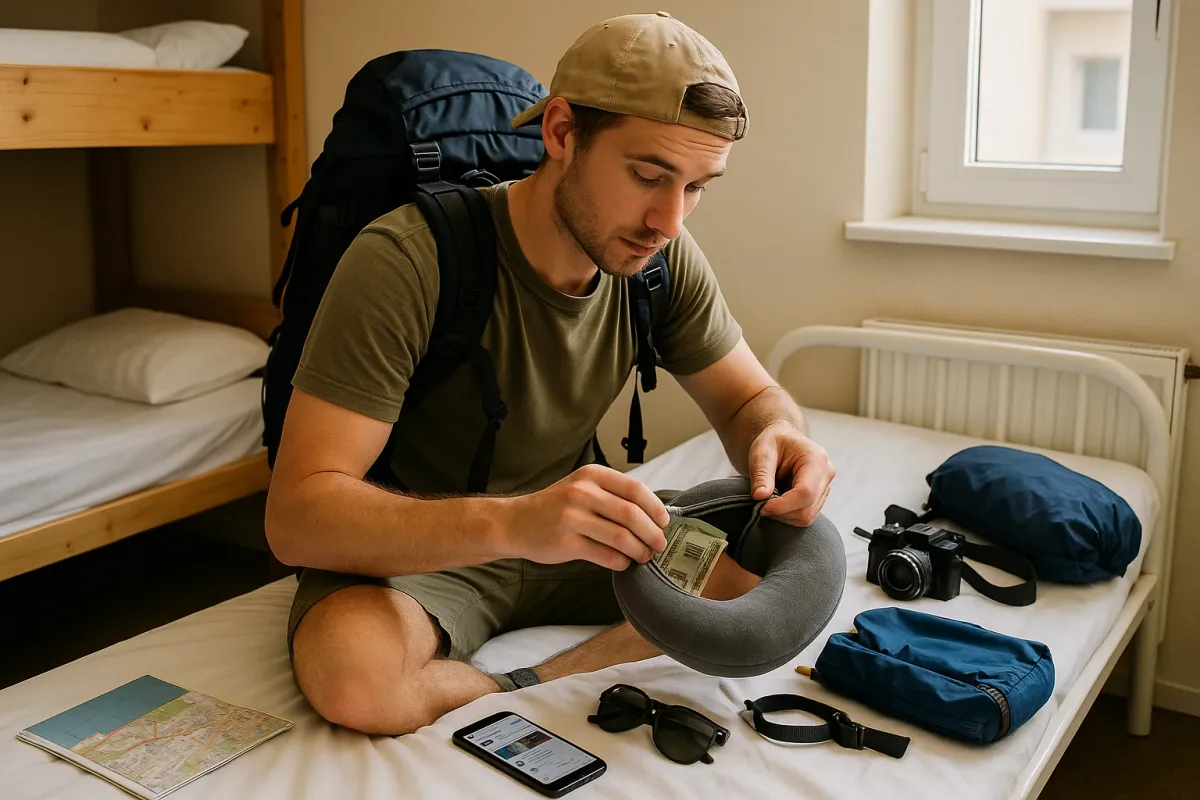
Well before you leave, check if your bank offers a no-foreign-transaction-fee card or an account that reimburses ATM fees worldwide. If not, consider opening a free online account that does. Once you’re abroad, always choose to be charged in the local currency on card machines—“pay in your home currency” usually hides a terrible conversion rate that can add 3–8% to every purchase. For cash, skip airport exchange counters; withdraw directly from ATMs in town, ideally attached to a major bank. And set a daily digital note on your phone to track what you’re spending. It takes 30 seconds, but keeping an eye on your totals helps you avoid the “where did all my money go?” panic halfway through your trip.
4. Stop Booking “Useless Extras” and Build Your Own Value
A lot of travel products are the real-world version of those “useless” viral objects: glossy, overhyped, and not worth what they cost. Think: super-pricey hotel breakfasts, airport transfers you could do yourself in 20 minutes, or paid tours that just walk you down streets you could’ve explored solo.
Instead, get into the habit of unbundling your trip. When you see a hotel with breakfast included, check how much more that costs than room-only—and compare it to simple local breakfast prices nearby. Often, skipping that add-on and walking to a corner café will save you money and give you a much better experience. Before booking a pricey “city highlights” tour, see if Google Maps plus a few blog posts or TikTok city guides can help you recreate the route yourself. For airport transfers, search “[airport name] to city center public transport” and compare prices: buses and trains are often a fraction of the cost and sometimes even faster at rush hour. The more you custom-build your trip, the more you avoid paying for convenience that doesn’t actually add value.
5. Turn “Pointless Souvenirs” into Memory-Rich, Budget-Friendly Keepsakes
Just like the internet’s obsession with useless objects, souvenir shops are full of things that are funny for five minutes and then live in a drawer forever. Magnet? Keychain? Cheap T-shirt that shrinks after one wash? Your budget can do better, and your memories deserve more.
Swap random knickknacks for low-cost, high-meaning souvenirs. Buy everyday items locals actually use: a packet of local spices from a supermarket, a small reusable shopping bag with the city’s branding, or a public transit card you can keep after loading just enough credit for your stay. Collect paper mementos you’d normally toss: metro tickets, café receipts with the local language, museum flyers—then tape them into a simple travel journal or notebook when you get home. Take photos of street art, funny signs, and markets instead of buying bulk souvenirs; then create a digital album you can share with friends. You’ll spend less on “stuff,” bring back lighter luggage, and end up with a collection that tells the story of your trip, not just that you walked through a tourist shop.
Conclusion
The viral “32 Useless Things” trend is hilarious—but it’s also a perfect reminder that what you carry, buy, and pay for on the road should actually do something for you. By packing only multi-use essentials, using downtime to hunt for deals, killing off junk fees, unbundling overpriced extras, and choosing meaningful souvenirs over clutter, you turn your trip into a lean, budget-friendly adventure.
Travel on a budget isn’t about saying no to fun—it’s about saying no to the useless stuff that doesn’t add joy, memories, or real value. Cut the pointless, keep the powerful, and your next trip will feel richer, even if your spending is smaller.
Key Takeaway
The most important thing to remember from this article is that this information can change how you think about Budget Travel.