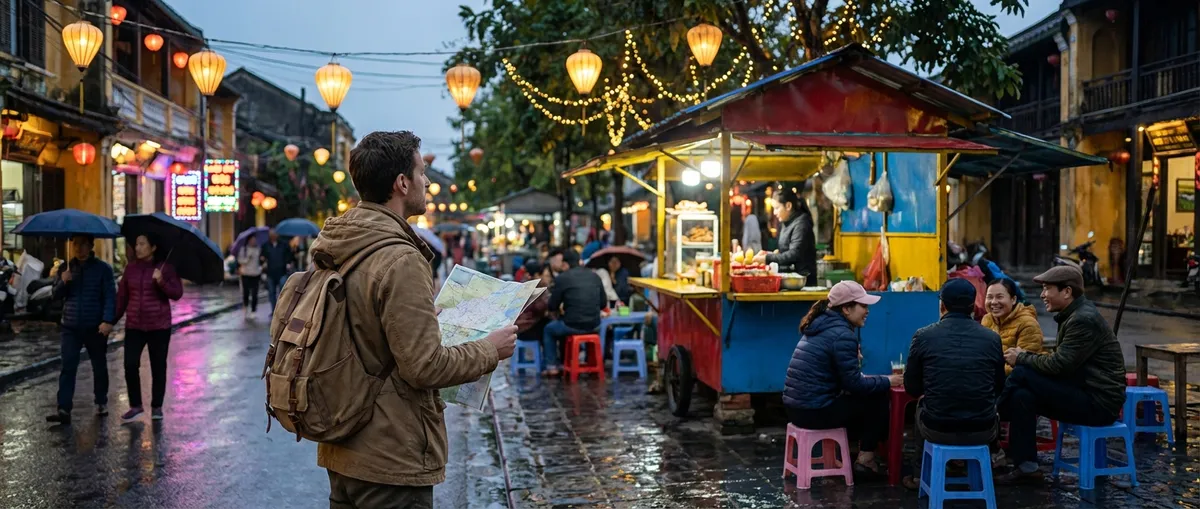
Arriving in a new destination can feel like someone handed you a movie and skipped past the opening scenes. You’re there, but you don’t yet understand the rhythm, the shortcuts, or the spots locals actually love. The sweet spot? Learning how to “read” a place quickly—so even a short trip feels rich, connected, and personal instead of rushed and random.
This guide is all about turning any new city into familiar territory in your first 48 hours, with practical moves you can repeat on every trip.
Start With a “Soft Landing” Neighborhood
Your first base in a new city shapes everything: how safe you feel, what you see, and how stressed you are figuring things out.
Look for neighborhoods that:
- Are within an easy walk or short transit ride of a major hub (central station, main square, or waterfront)
- Have a mix of cafes, groceries, and small restaurants instead of only big chains
- Offer good lighting and foot traffic at night
Before booking, search your neighborhood name plus phrases like “where to stay,” “is it safe,” or “first-time visitors.” Spread your research across a few sources—travel forums, official tourism sites, and local blogs—to avoid a one-sided view.
Once you arrive, don’t rush out right away. Take 30–60 minutes to walk a basic triangle near your stay: find the nearest transit stop, a supermarket or corner shop, a pharmacy, and at least one café you’d happily return to. This instantly shrinks the city from “unknown” to “navigable,” and you’ll feel calmer knowing where your essentials are.
Use a “Two-Map” Strategy to Understand the City Layout
One of the fastest ways to feel at home is understanding how the city is shaped—where people actually move and gather.
Use a two-map method:
Transit or official city map:
- Grab a printed metro/bus map if available, or download a PDF from the city’s official transit website. - Look for natural anchors: rivers, parks, main stations, or ring roads. These will become your mental compass points. - Notice which lines or stops everyone seems to talk about—that’s usually your main artery through the city.
Walkable, zoomed-in app map:
- On your phone, zoom into the area where you’re staying and drop pins on: your accommodation, major landmarks, a big park, and any neighborhoods you want to explore. - Turn on “offline maps” if your app and destination allow it—this saves data and keeps you covered when you lose signal.
On your first full day, follow a loose loop that connects a few of your pins instead of zigzagging back and forth. Think: home base → major landmark → park or riverfront → local neighborhood → home. You’ll end the day not just with photos, but with a mental map you can actually use.
Practical Tip #1:
Always bookmark your stay, the main train/bus station, and the airport in your map app as “favorites.” In strange cities (or after a late night), that’s your safety net.
Let Local Routines Set Your Daily Rhythm
Every destination has invisible schedules—meal times, busy hours, and “ghost” periods when everything closes. If you sync to those rhythms instead of fighting them, you’ll waste less time and feel more in tune with the place.
Here’s how to spot the local clock:
- Meal times:
Search quickly for “typical meal times in [city]” and then confirm with your own eyes. Are restaurants empty at 6 p.m. and packed at 9? Adjust your plans so you’re not stuck hungry with nowhere open.
- Commute windows:
Notice when public transport is jammed with locals. Use that intel to avoid peak hours for long cross-town trips, especially if you’re carrying bags.
- Quiet days and closures:
Check if museums, markets, or attractions close on certain days (common in parts of Europe and beyond). Build your must-see spots around those closures instead of discovering them at the door.
Once you sense the rhythm, design your days accordingly: sightseeing during slower hours, breaks during midday heat or rush hour, and key experiences (like popular viewpoints) at strategic times like early morning or just before sunset.
Practical Tip #2:
Ask one simple question at your hotel, hostel, or rental: “If you had tomorrow off, what time would you start your day and where would you go first?” Locals naturally answer based on their rhythms, not just tourist checklists.
Make the City Talk to You: Signs, Smells, and Sound Cues
Destinations aren’t just collections of attractions—they’re living systems you can “read” through your senses. If you tune in, you’ll know where to go and what to avoid, even without perfect language skills.
Pay deliberate attention to:
- Signs and posters:
Community boards, flyers in coffee shops, and ads on transit can reveal local events, concerts, exhibitions, and markets you’d never find in a tourist brochure. Take a quick photo of anything that looks interesting.
- Smells:
Follow your nose when you smell fresh bread, grilled food, coffee roasting, or street food spices. Often the best, most authentic bites are near those smells—markets, bakeries, small family-run restaurants, food stalls, or side streets just off main squares.
- Sound:
Lively chatter and clinking dishes often signal affordable, local-favorite spots. Meanwhile, music and laughter spilling out onto side streets might hint at cool bars, live music venues, or vibrant plazas.
Combine these cues with your map: if you stumble into a lively corner filled with locals, drop a pin. That’s a personal discovery you can revisit, recommend, or return to later in your trip.
Practical Tip #3:
When you find a great “micro-hub” (like a street with three interesting spots in a row), anchor a meal or coffee stop there at a different time of day—it will feel like a totally new scene and help you understand how the city changes over 24 hours.
Turn One Question Into Five Local Insights
A single well-phrased question to a local can unlock an entire mini-itinerary. The goal isn’t to ask, “What should I see?” but to tap into how people live there.
Use targeted prompts like:
- “Where do you go in this city when you need to clear your head?”
- “If your best friend was visiting for one weekend, what would you absolutely insist they do?”
- “Is there a neighborhood you love that most visitors skip?”
- “What food here feels like ‘home’ to you—and where do you get it?”
Keep a small notes app or travel journal just for these answers. Even a short chat with a barista, rideshare driver, or shop owner can lead you toward less-touristy viewpoints, favorite parks, independent bookstores, or budget-friendly eateries.
Practical Tip #4:
Ask for “one thing nearby I could do in under an hour.” This is magic when you have a gap between check-out and your train, or an odd window of time before dinner.
Build a Flexible “Anchor + Freestyle” Day Plan
Instead of cramming your days with fixed plans, structure each day around a few non-negotiable “anchors” and leave space for spontaneous finds.
Here’s a simple framework:
- 1–2 Anchors:
These are your time-sensitive or must-do items: a museum that requires timed entry, a specific tour, a show, or a restaurant reservation.
- Freestyle Blocks:
Around those anchors, keep 2–3 open blocks where you only define a direction, not a schedule—like “wander north from the river into the old neighborhood” or “explore around the main market and side streets.”
- Recharge Moments:
Proactively schedule a break: an hour in a park, a café with good seating, or a quiet church or library. This stops burnout and gives you brain space to notice new ideas and adjust plans.
By blending structure and freedom, you get both the memorable, bucket-list moments and the “wow, how did we even find this place?” magic. You’ll leave feeling like you actually met the city instead of just collecting ticket stubs.
Practical Tip #5:
Each night, spend five minutes reviewing your map history and notes. Star your favorite spots, delete what didn’t work, and jot down one thing you’d repeat tomorrow (like an early walk along a certain street or grabbing coffee at a particular café). You’re building your own personal guide in real time.
Conclusion
When you land somewhere new, you don’t need weeks to feel connected—you need a system. Start by grounding yourself in a practical base, learning the city’s skeleton through maps and transit, then tuning into local rhythms and sensory cues. Ask better questions, follow curiosity, and give your days a mix of anchors and improvisation.
Do this, and even a quick weekend can feel like a mini chapter of your life, not just a blur of photos. The destination stops being “a place other people visit” and starts feeling like somewhere you genuinely know.
Sources
- U.S. Department of State – Travel Advisories - Official safety and security updates that help you choose and understand neighborhoods and transit hubs
- UN World Tourism Organization (UNWTO) - Data and insights on tourism flows and city destinations, useful for understanding peak periods and local rhythms
- Transport for London – Maps - Example of detailed, official transit maps that can be mirrored in many cities worldwide
- Visit Copenhagen – Neighbourhood Guides - Illustrates how neighborhood-based planning helps structure your stay in a city
- Lonely Planet – How to Travel Like a Local - Practical advice on connecting with local culture and everyday routines
Key Takeaway
The most important thing to remember from this article is that following these steps can lead to great results.