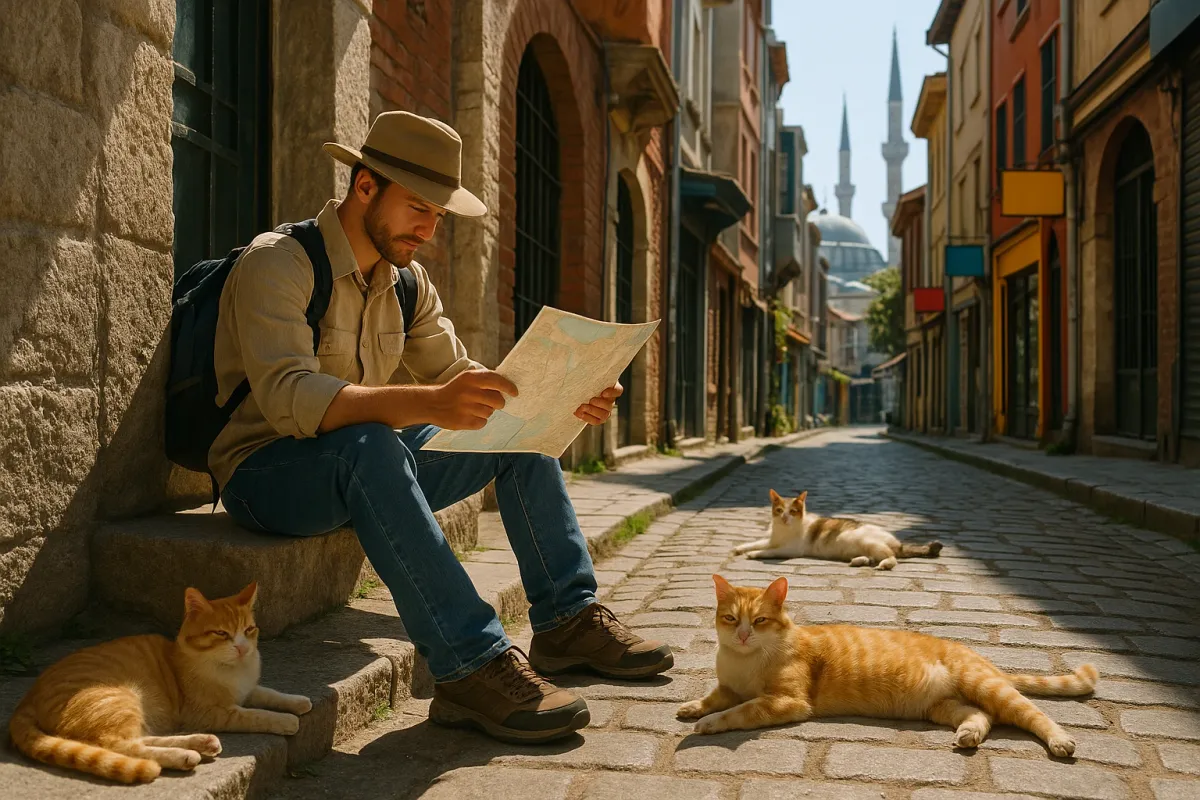
Istanbul’s famous street cats just went viral again, thanks to a new wave of stunning photos shared by local photographers and online communities. These images don’t just highlight how adored the city’s felines are—they also reveal something powerful about how to experience a place like a local, spend less, and enjoy more.
If you’ve seen those pictures of cats lounging on café chairs, napping on ancient walls, or being hand‑fed by shopkeepers, you’re basically looking at a live masterclass in slow, smart, city travel. Let’s turn Istanbul’s most charming residents into your unexpected travel coaches—so the next time you land in a big city (whether it’s Istanbul, Lisbon, or Tokyo), you move through it with the calm confidence of a very well‑traveled cat.
Follow the Cats, Not the Crowds
Istanbul’s street cats are unofficial neighborhood ambassadors. You’ll see them snoozing in quiet courtyards, hidden side streets, and local hangouts—places tourists often skip while racing between the Hagia Sophia and the Grand Bazaar. That’s your cue: if the cats love a spot, there’s probably a reason. Instead of planning only around “top 10 must‑see” lists from Instagram, build in time to explore the in‑between spaces: residential streets, back alleys with tiny tea houses, and waterside benches where locals actually relax.
Use a simple hack: after visiting one major sight, intentionally walk 10–15 minutes away from it in a direction with fewer tour buses and more laundry on balconies. Notice where the cats cluster: around fishermen cleaning their catch, students hanging out on steps, or elders playing backgammon. Those are authentic, lower‑priced, and often safer places to eat, sit, and people‑watch. You’ll dodge overpriced tourist traps, find cheaper snacks, and walk away with stories that aren’t identical to everyone else’s feed.
Snack Like a Local (Your Budget Will Thank You)
In all those viral Istanbul cat photos, you’ll notice something: people constantly feeding them—bits of simit (sesame bread rings), scraps of fish, pieces of döner. Cats are experts at hovering wherever food is plentiful and affordable, and that’s a clue for travelers. The best budget eats often live around local bakeries, neighborhood markets, and unpretentious corner spots where food is made for residents, not tourists.
Instead of planning every meal at a “must‑try” restaurant you found on TikTok (where prices mysteriously shoot up right after going viral), apply this hack in any city:
- Look for handwritten menus, not glossy printed ones in six languages.
- Spot where delivery drivers are lining up—that’s the real popularity metric.
- Use Google Maps or a local app to sort by rating + distance, then filter for places with lots of recent reviews in the local language.
Try one “destination” restaurant per day, then make your other meals near transit hubs, universities, and residential streets. You’ll spend less, get more generous portions, and avoid the long lines that eat into your sightseeing time. Pro move: buy a few simple staples (nuts, fruit, yogurt, bread) each morning so you can skip expensive emergency snacks later.
Master the City’s “Cat Network” to Navigate Smarter
Those photo series of Istanbul cats lounging on tram tracks, ferry decks, or metro station benches tell you something crucial: the animals go where the people are moving. In Istanbul, that means the tram lines between Sultanahmet and Beyoğlu, the ferries crisscrossing the Bosphorus, and the funiculars up the city’s steep hills. For travelers, that’s a reminder that public transit is your best friend in any dense city.
Before you land anywhere, copy this simple system:
- Download the local transit apps (in Istanbul, apps like Metro Istanbul and Trafi are lifesavers; in other cities, it might be Citymapper, Moovit, or an official metro app).
- Bookmark key stations near your hotel, major sights, and airports.
- Learn the “spine” route—the one or two lines that connect most places you’ll visit.
Then use the cats’ logic: if you constantly see locals + animals clustering around a specific station, ferry dock, or square, that’s usually a reliable transit hub. Base your accommodations and daily routes around those hubs so you spend less money on taxis, waste less time stuck in traffic, and avoid surge pricing during peak tourist hours. Think like a cat: minimum effort, maximum access.
Pack for the Pavement, Not the Postcard
Look closely at those Istanbul cat photos again: cobblestones, steep stairways, narrow alleys, slippery stone near the Bosphorus. City cats are built for that terrain; a lot of travelers are not—especially those dragging giant hard‑shell suitcases over uneven streets. If you’re heading to an older, historic city, your packing list should serve the reality of the streets, not just the aesthetics of your selfies.
Swap one “fashion‑only” item for one “mobility‑friendly” essential:
- Choose a carry‑on with backpack straps or a smaller roller with big wheels that can handle cobblestones.
- Prioritize one great pair of supportive, neutral sneakers over three pairs of cute but painful shoes.
- Pack light layers instead of bulky pieces so you can adjust to micro‑climates between shady alleys, breezy waterfronts, and hot trams.
Cats never carry more than they need—and neither should you. The lighter your load, the easier it is to spontaneously climb that dramatic staircase to a rooftop view, squeeze onto a packed tram, or wander a neighborhood with no plan. As a side bonus, packing small often lets you use cheaper public transit from the airport instead of relying on taxis or private transfers.
Build a “Cat‑Nap” Strategy Into Your Itinerary
Every viral Istanbul cat photo collection includes a theme: naps. Cats are connoisseurs of strategic rest—on café chairs, on mosque steps warmed by the sun, even on shop displays. Travelers, on the other hand, often try to conquer a city in 12 hours, only to crash hard and lose an entire day to exhaustion or jet lag.
Steal the feline approach: plan your days around energy, not just sights.
- Schedule your biggest, most outdoorsy activities for morning or late afternoon, when it’s cooler and less crowded.
- Block a 45–90 minute “reset window” in the mid‑afternoon: a café break, a quiet park, your hotel rooftop, or a shaded bench with a view.
- Use that time to rehydrate, upload photos, charge devices, and check transit updates or reservations for the evening.
If you’re fighting jet lag, don’t power through until midnight. Do what locals (and cats) do: short naps in strategic places—ferry rides, park benches, or your room with an alarm set. You’ll end up seeing more of the city at its best times (golden hour, evening street life) instead of stumbling around half‑awake at noon with zero patience and a growing Uber bill.
Conclusion
Those viral photos of Istanbul’s cats are more than just adorable—they’re a real‑time guide to traveling better in any big city right now. By following where the cats (and locals) actually live, eat, move, and rest, you can dodge tourist traps, trim your budget, and slow down enough to actually feel the place you’re in.
Next time you see a city’s animals in your feed—cats in Istanbul, dogs in Mexico City, deer in Nara—look closer. They’re quietly mapping out the most efficient, comfortable, and authentic ways to move through their world. Learn from them, and your next trip might just be your most relaxed (and rewarding) one yet.
Key Takeaway
The most important thing to remember from this article is that this information can change how you think about Travel Hacks.