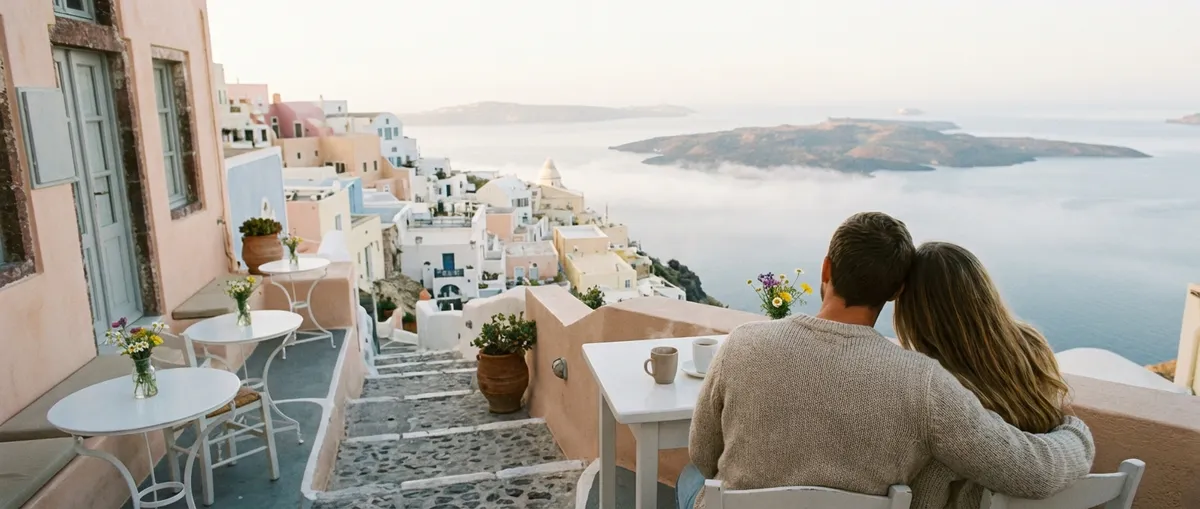
Some trips feel magical not because of where you go, but when you go. Visiting a famous destination in its “hidden season” — that sweet spot between peak tourism and total off-season shutdown — can completely change your experience. Picture walking through a nearly quiet museum in Paris, having a stretch of beach in Thailand mostly to yourself, or seeing Kyoto’s temples without a wall of selfie sticks in front of you.
This guide helps you time your travels so you get the best blend of good weather, local life, and fewer crowds. You’ll find practical, destination-specific tips you can actually use when planning your next adventure.
Understanding the “Hidden Season” Sweet Spot
The hidden season usually falls right before or right after the place’s official high season. It’s not low season with closed attractions and stormy skies — it’s the shoulder period when the weather is still pleasant, but tourism hasn’t yet exploded (or has just calmed down).
Think of it like this:
- Peak season: Best-known time (often school holidays), highest prices, biggest crowds, longest lines.
- Low season: Cheapest prices, but often worst weather, many services closed, limited activities.
- Hidden/shoulder season: Balanced sweet spot — softer prices, fewer visitors, and enough going on to feel alive without being overwhelming.
Examples:
- Paris: Instead of July–August, target late April–May or late September–October for comfortable temps and shorter queues.
- Bali: Many travelers flock June–August; consider April–early June or September for more space while still getting plenty of sunshine.
- US National Parks: Swap busy summer weekends for late spring or mid-autumn weekdays to actually hear the wind in the trees instead of just traffic in the parking lot.
Once you start planning around timing (not just location), destinations you thought were “too crowded” suddenly become realistic — and far more enjoyable.
Matching Destinations to Their Best Under-the-Radar Months
Different places have different rhythms, shaped by climate, school calendars, and local events. Getting to know these patterns turns you into the friend everyone asks for travel advice.
Here’s how hidden seasons work in some popular types of destinations:
Classic European Cities (Paris, Rome, Barcelona, Amsterdam)
- Avoid: Mid-June through August and major holidays (Christmas–New Year, Easter).
- Aim for:
- Late March–May: Blooming parks, mild temperatures, longer daylight.
- Late Sept–early Nov: Autumn colors, wine harvest festivals, fewer tour groups.
- Perks: Easier museum reservations, more chances to chat with locals, and restaurants that aren’t slammed with tour groups.
Tropical Getaways (Thailand, Bali, Caribbean Islands)
- Avoid: Christmas–early January, Easter weeks, and regional school vacations.
- Aim for hidden seasons like:
- Thailand: November (cooler) or late February–March (before the heat really spikes).
- Bali: April–early June or September–mid-October (often less rain than peak wet season, fewer crowds than July–August).
- Caribbean: Late April–early June or November–early December (before holiday price surges).
- Perks: Easier to book beachfront spots, calmer beaches, more authentic vibe beyond party crowds.
Nature & National Parks (US Parks, Alps, Patagonia)
- Avoid: School summer vacation (especially weekends) and major local holidays.
- Aim for:
- US Parks (like Yosemite, Zion, Yellowstone): Late May–early June or mid-September–early October (weather still great, but smaller crowds).
- Alps: Late June–early July or early–mid September for hiking; January (post-New Year) to early February for skiing without peak holiday chaos.
- Patagonia: Shoulder months like October–November and March–April.
- Perks: More wildlife sightings, easier permits, quieter trails, and better photo opportunities without crowds in every shot.
Cultural Hubs & Festival Cities (Tokyo, Kyoto, Mexico City, Lisbon)
- Avoid: Big festival weeks if you dislike crowds (for example, cherry blossom peak in Japan, Carnival in some European and Latin American cities).
- Aim for:
- Tokyo/Kyoto: Early March or late November–early December for cooler air and seasonal beauty without peak sakura or autumn leaf crowds.
- Mexico City: Late January–March and October (outside of Day of the Dead) for pleasant weather and lighter traffic at popular sights.
- Lisbon: October–early November and March–April (before the full summer rush).
- Perks: You still get culture and events — just without needing to book everything months ahead.
Once you know the pattern, you can pick your destination and your timing to align with your travel style — whether that’s quiet, social, or somewhere in between.
5 Practical Tips for Timing and Planning Smarter Trips
Here are five actionable strategies you can use with almost any destination to land on that perfect moment between “dead quiet” and “overwhelming.”
1. Check School Holidays and Local Calendars First
Even the best hidden season can get busy if it overlaps with holidays.
- Look up both your country’s and your destination’s school breaks and public holidays.
- Search your destination plus “school holidays” or “public holidays calendar” to spot high-demand dates.
- Avoid big local holidays unless you want the experience — events like Golden Week in Japan or August holidays in Europe can transform cities and transport networks.
This simple check can be the difference between a mellow city break and elbow-to-elbow subway rides.
2. Use Historical Weather and Crowd Data, Not Just Assumptions
Don’t guess — use real data.
- Use weather tools like timeanddate.com, Weather Underground, or climate pages on official tourism or government sites to see historical temperature and rainfall patterns.
- Look up “best time to visit [destination]” on official tourism boards or major travel publications; they often list both climate and crowd patterns.
- Search “average visitor numbers [destination] month” or check national park or museum attendance stats if you’re especially crowd-averse.
By comparing weather with visitor trends, you can find weeks where conditions are still comfortable but crowds drop sharply.
3. Book Key Things Early, Leave the Rest Flexible
Hidden season travel doesn’t mean you can show up with zero plan — some experiences still sell out.
- Book in advance:
- Long-haul flights
- High-demand activities (like famous museums with timed tickets, marquee restaurants, or limited-space tours)
- Unique stays (small boutique hotels, popular guesthouses, or mountain lodges)
- Stay flexible with:
- Day-to-day sightseeing order (so you can adapt to weather)
- Bonus side trips (added or skipped depending on how you feel)
- Restaurant choices (discover by walking around instead of only reserving online)
This structure gives you a backbone for your trip while still letting you lean into spontaneous moments — one of the biggest rewards of traveling when places are less crowded.
4. Aim Your Days Off-Peak Within the Trip Too
Timing matters not just for the month you choose, but for your daily rhythm while you’re there.
- Visit top attractions early or late: Arrive when doors open, or in the final 90 minutes before closing, to skip the biggest waves.
- Shift your meal times: Eat lunch a bit earlier or later than average so you’re sightseeing while others are dining.
- Use mid-days for slower activities: When popular landmarks are busiest, take longer lunches, stroll less-visited neighborhoods, or enjoy quiet parks and waterfronts.
Even in a busy destination, this “reverse-peak” daily pattern lets you experience quieter moments most travelers miss.
5. Combine a Well-Known Hotspot with a Quieter Nearby Base
One of the best hidden-season tricks is using a lesser-known town or neighborhood as your home base.
- Example:
- Instead of sleeping in the absolute center of Florence, stay in a nearby smaller town like Fiesole and take short transit rides into the city.
- Visit popular Thai islands during the day, but sleep in a less-hyped nearby island with fewer big resorts.
- Explore a famous US national park by staying in a less-crowded gateway town rather than the busiest lodge areas.
- Benefits:
- Lower accommodation prices
- More interaction with local businesses
- A peaceful retreat each night, even after exploring iconic sites by day
You still see world-famous places — but you return at night to somewhere calm, often more authentic, and easier on your budget.
Bringing It All Together for Your Next Trip
Choosing when to go can transform how a destination feels — sometimes more than choosing where to go. Hidden seasons let you stroll famous streets without constantly dodging crowds, actually hear your thoughts at scenic viewpoints, and chat with locals who aren’t overwhelmed by peak-season rush.
As you plan your next trip, try this:
- Pick two or three dream destinations.
- Look up their peak and off-peak periods using weather, tourism, and holiday data.
- Slide just a few weeks away from the most popular dates into that shoulder zone.
- Lock in your big-ticket items, but leave space in your schedule to follow your curiosity once you arrive.
With a little timing strategy, you’ll experience the same legendary places in a completely different way — more calm, more connection, and more memories that feel uniquely yours.
Sources
- U.S. National Park Service – Plan Your Visit - Offers official guidance on timing visits to U.S. national parks, including crowd patterns and seasonal considerations
- Japan National Tourism Organization – When to Travel - Provides detailed information on seasonal weather, events, and travel timing for major destinations in Japan
- European Travel Commission – European Tourism Trends - Shares data and reports on tourism flows and seasonal trends across European destinations
- Bali Tourism – Practical Information - Includes climate, high/low season insights, and planning tips for visiting Bali
- National Weather Service Climate Data - Offers historical climate and weather statistics that help travelers understand typical conditions by month and region
Key Takeaway
The most important thing to remember from this article is that this information can change how you think about Destinations.