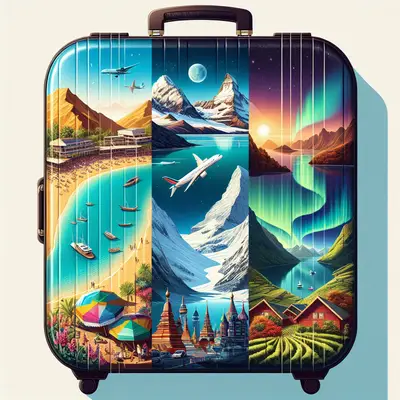
There’s the version of a destination everyone posts on Instagram—and then there’s the version you get when the tour buses leave, the temperatures mellow, and locals reclaim their favorite spots. That in-between time is where travel magic lives. By learning to travel “between the crowds,” you can enjoy iconic destinations with fewer lines, better prices, and richer connections. Let’s explore how to uncover the best places at the best time—and how to make the most of them once you’re there.
Rethink “Best Time to Visit”: Chase Experiences, Not Just Weather
Most guides will tell you the “best time to visit” based on sunshine and temperature, but that only tells half the story. A mild, sunny month can also mean packed museums, sold-out hotels, and rushed restaurant service. Instead, think in terms of “best time for you.”
Ask yourself what matters most: Is it swimming in warm water, wandering museums without lines, hiking in cooler temperatures, or catching a specific festival? Once you know your priority, compare it with shoulder-season months—those just before or after peak season—when you often get the same experience with fewer people.
For example, many European cities feel completely different in late September versus mid-July: café terraces are still lively, but sidewalks are easier to navigate and popular sights are less crowded. In national parks, early spring or late fall might mean closed facilities but empty trails and stunning, uncrowded viewpoints. Instead of blindly following “best month” lists, dig into climate charts, holiday calendars, and school breaks to see when a place is lively but not overloaded.
Follow Local Rhythms to Discover the Real Heart of a Place
Every destination has daily and weekly rhythms that shape how it feels: when commuters flood the streets, when families gather in parks, when markets buzz, and when tourist groups arrive by the busload. Paying attention to these patterns turns you from an observer into a participant.
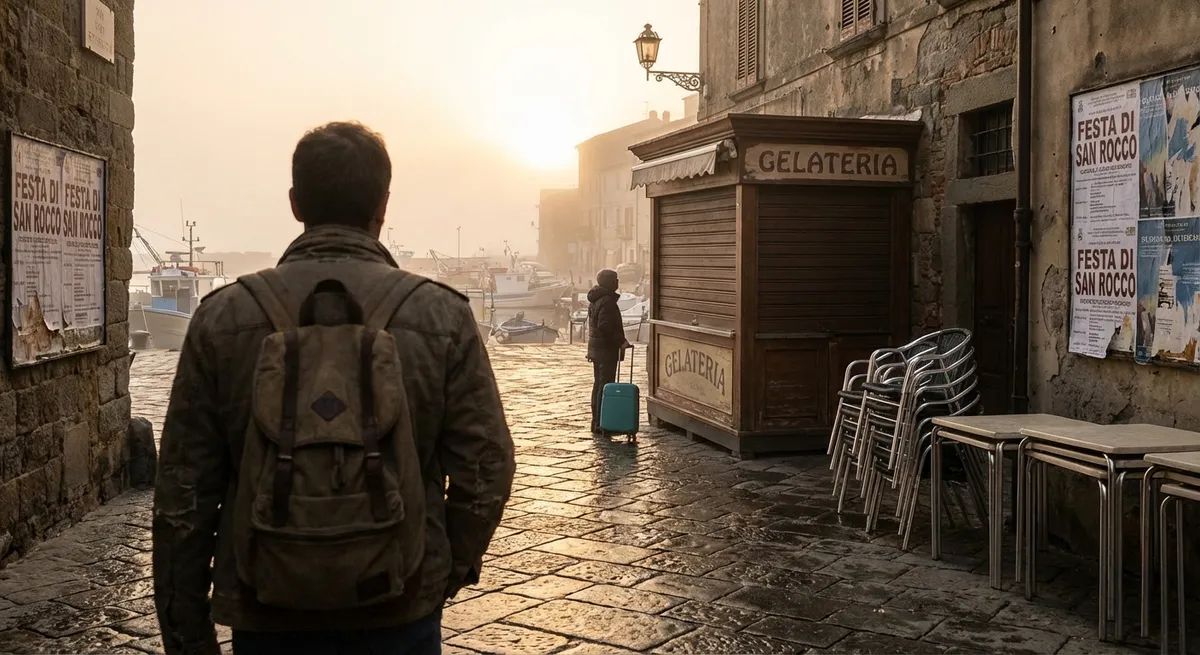
Start with mornings. In big cities, early hours are golden: bakeries turning out fresh bread, markets getting set up, and streets still quiet. In hot climates, locals often do errands early to avoid midday heat—this is a great time to see “real life” unfold. Evenings tell another story: the hour when locals fill plazas, stroll seaside promenades, or linger in wine bars says more about the culture than any souvenir shop.
Weekdays vs. weekends also matter. Museums and major attractions may be busier on weekends when locals are off work, but neighborhoods and parks feel more alive. In some beach or party towns, weekends can be crowded and noisy, while weekdays are calmer and cheaper. Before you go, look up farmers’ market days, local sports matches, and cultural evenings; these small details help you plan days that sync with the place instead of fighting against it.
Use Maps Like a Local: Zoom Out, Then Zoom Way In
Digital maps can be your secret weapon for finding areas that feel less “set up” for tourists and more like somewhere you could imagine living. Begin by zooming out to see the overall layout: where the main train station is, where old town sits, and how neighborhoods spread outward. Then start exploring the “in between” areas around major sights.
Look for clusters rather than single pins: three modestly rated cafés, a small park, and a grocery store close together often indicate a lived-in neighborhood where locals spend time. These zones typically have more authentic food at lower prices, quieter streets at night, and easier last-minute reservations. Use satellite view to spot tree-lined boulevards, waterfront promenades, and pedestrian-only streets you might miss on a standard map.
Once you arrive, walk one or two streets behind main attractions. The difference in atmosphere—and sometimes in prices—can be dramatic. In coastal destinations, venturing a few bays over from the main beach opens up calmer coves. In mountain towns, checking trail maps for secondary viewpoints often leads to stunning panoramas without the crowds gathered at the single most famous overlook.
Five Practical Tips to Make Any Destination Work Better for You
Here are five field-tested strategies that help you unlock the best version of almost any place you visit:
1. Anchor Your Trip Around One “Why”
Choose a single main purpose for your destination—maybe it’s thermal baths, street food, jazz clubs, hiking, or design museums. Let that “why” guide where you stay and how you plan each day. When you’re clear on your main reason for being there, it’s easier to skip guilt-inducing “must-sees” that don’t actually fit you.
2. Stay Near Your Evening Plans, Not Just the Sights
Many travelers book accommodation near daytime attractions but end up commuting back tired and hungry each night. Instead, figure out where you’re most likely to spend your evenings—waterfront bar areas, local restaurant streets, or cultural districts—and look for lodging within a 15–20 minute walk. You’ll save on late-night transport and feel more relaxed wandering home.
3. Reserve Only the Unmissable—and Keep the Rest Flexible
Book time-sensitive essentials in advance: popular restaurants with limited seating, entry times for blockbuster museums, or tours with small group sizes. Then, leave open blocks in your schedule to follow local recommendations, explore new neighborhoods, or revisit spots you loved. The mix of structure and spontaneity keeps days interesting without feeling rushed.
4. Plan “Weather-Proof” Alternates
For every major outdoor activity (viewpoints, beach days, hikes), note one indoor alternative nearby: a gallery, market hall, café-lined square with covered seating, or cultural center. This way, unexpected storms or heatwaves don’t derail your plans—you simply swap your schedule and stay in the same general area, still soaking up local life.
5. Learn Three Questions in the Local Language
Beyond “hello” and “thank you,” memorize how to say:
- “Where do you like to go in your free time?”
- “What food would you recommend to a friend?”
- “Is there a neighborhood that feels very local but safe for visitors?”
These open-ended questions invite more thoughtful answers and often lead to hints about under-the-radar parks, cafés, live music venues, or viewpoints that rarely show up in tourist guides.
Build Your Own “Micro-Map” of Meaningful Spots
Instead of trying to “see everything,” focus on places that genuinely resonate with you and map them out before you arrive. If you love bookstores, search for independent shops and add them to a custom map. Food-lover? Pin street food clusters, bakeries, and markets rather than just high-end restaurants. Outdoor enthusiast? Mark river paths, viewpoints, and city parks.
When you arrive with a handful of these interest-based pins scattered across different neighborhoods, exploration becomes more intentional. You’re not just wandering—you’re connecting dots that matter to you. This approach also nudges you into areas you might never visit otherwise, revealing quieter side streets, local lunch spots, and small cultural details.
As your trip unfolds, keep adding places that made you smile: the café with perfect people-watching, the tiny gallery with a welcoming owner, the waterfront bench where sunset felt just right. By the end, you’ll have your own personal “soul map” of the destination—far more meaningful than a checklist of monuments.
Conclusion
Destinations aren’t just backdrops for photos; they’re living, breathing places with rhythms, moods, and sweet spots that shift hour by hour and season by season. When you travel between the crowds, follow local patterns, use maps creatively, and plan around your own interests, you unlock a version of each place that feels more human and less like a theme park.
Your next favorite destination might be a world-famous city you finally meet in the right season—or a small town that unexpectedly clicks because you approached it with curiosity instead of a checklist. Start planning with these strategies in mind, and you’ll be ready not just to visit more places, but to truly connect with them.
Sources
- U.S. National Park Service – Plan Your Visit - Guidance on timing visits, avoiding crowds, and preparing for different conditions in U.S. national parks
- European Travel Commission – Seasonality in Tourism - Research on how travel seasons affect destinations and traveler experiences, especially in Europe
- UNWTO (World Tourism Organization) – Responsible Tourism - Insights on traveling in ways that respect local communities and reduce overcrowding impacts
- Lonely Planet – How to Avoid Crowds While Traveling - Practical advice on timing, route planning, and destination choices to sidestep peak crowds
- Rick Steves Europe – Avoiding Tourist Traps - Tips on finding more authentic neighborhoods, restaurants, and experiences beyond heavily touristed zones
Key Takeaway
The most important thing to remember from this article is that following these steps can lead to great results.