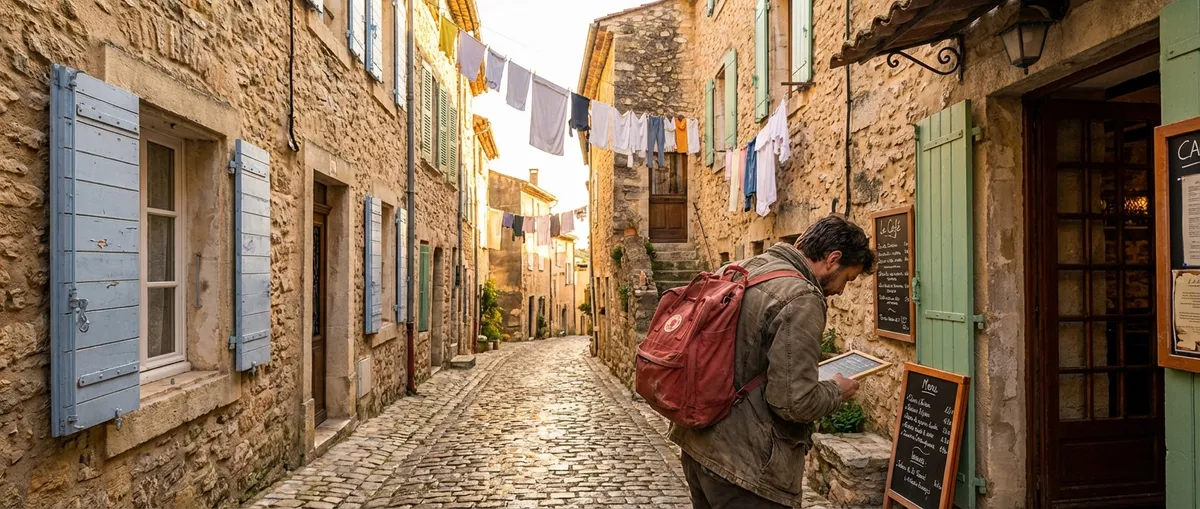
Most people plan trips around school breaks and peak summer vacations—but that’s exactly when destinations are at their busiest, priciest, and often least enjoyable. The magic often shows up between the seasons, in those overlooked weeks when locals reclaim their cities and nature feels calmer and more accessible.
This guide explores how to choose and enjoy destinations during their “hidden seasons” (often called shoulder seasons), with practical, on-the-ground tips so you can experience places more authentically, spend less, and still have fantastic weather.
Why “Hidden Seasons” Change the Entire Trip
Traveling in hidden seasons means visiting a destination just before or after its peak. Instead of cramming onto crowded beaches in August or packed Christmas markets in late December, you might:
- Wander European cities in late spring when café tables are open and hotel prices are lower.
- Hike national parks in early fall when trails are quieter and temperatures are milder.
- Visit tropical destinations just after rainy season, when landscapes are lush and bargains are everywhere.
Beyond price, the payoff is feel: you’re more likely to interact with locals, enjoy unhurried meals, and move through attractions without long lines or timed entry stress. You also get a more accurate vibe of the place, rather than the hyper-touristy version that appears only at peak times.
Hidden season travel isn’t about being contrarian for its own sake—it’s about aligning what you want (connection, comfort, and value) with when a place is actually at its best.
Choosing the Right Destination for the Right “In-Between” Time
Not every destination has the same kind of shoulder season, and “low season” doesn’t always mean “bad weather.” The trick is matching your interests to a destination’s quieter periods.
For example, European cities like Paris, Rome, or Barcelona are often magical in late March–April and October–early November. You’ll still get pleasant temperatures, but with fewer tour groups and more last-minute availability. In contrast, many Southeast Asian beach destinations shine in the weeks just after monsoon season, when storms have mostly passed but crowds haven’t fully returned yet.
Check destination-specific climate data, not just “best time to visit” blurbs. Some “off seasons” simply mean warmer afternoons or an occasional shower, while others involve extreme heat, hurricanes, or limited transportation options. By looking at historical averages, local holidays, and major festivals, you can identify sweet spots where your chosen place is calm, comfortable, and still very much open for visitors.
5 Practical Tips to Make the Most of Hidden-Season Travel
1. Use Weather and Event Data, Not Guesswork
Instead of guessing what a place might be like in “late spring,” look up actual weather and event calendars for your target destination. Search for:
- Historical temperature ranges and rainfall (month-by-month).
- Public holidays and big festivals that might affect crowds and prices.
- School vacation dates in that country or region.
This helps you avoid surprises like national holidays where everything closes, or marathon weekends when hotel prices spike. Combine weather stats with local calendars to find windows that are warm enough for outdoor exploring but quiet enough that you’re not constantly waiting in line.
2. Prioritize Flexible Bookings for Changing Conditions
Hidden seasons sometimes involve slightly more unpredictable weather, so build flexibility into your plans. When possible, choose:
- Refundable or flexible hotel rates.
- Airlines that allow low-fee or no-fee date changes.
- Activities that can work in both sun and light rain (museums + walking tours, for example).
This doesn’t mean overplanning every hour—it means protecting your budget and sanity if conditions shift. Flexibility lets you adapt: shifting a beach day to a museum day, or swapping a day trip for a cozy café-and-market day if the forecast changes.
3. Ask Locals (Online) What It’s Actually Like
Before you book, tap into local perspectives. Look for:
- Regional subreddits or forums where residents discuss weather and crowds.
- Destination-specific Facebook groups or travel communities.
- Local blogs or tourism board insights that talk about off-peak months.
Ask questions like, “What’s your favorite month in [city/region] and why?” You’ll often learn that locals prefer certain “in-between” weeks because flowers are blooming, markets are less crowded, or the heat hasn’t ramped up yet. These nuanced details rarely show up in generic guidebooks but can dramatically improve your experience.
4. Book Fewer Things in Advance—and Plan to Be Spontaneous
Hidden season travel often gives you a rare advantage: same-day or next-day availability. Instead of locking yourself into a rigid schedule, pre-book only what truly sells out year-round (iconic attractions, special restaurants, must-do tours), and keep the rest open.
Then, once you arrive, ask hotel staff, café owners, or guides what’s worth doing that week. You might discover local markets, community events, or scenic spots that don’t appear on major tourism sites. With less competition for reservations, you can choose based on how you feel that day, not what you decided weeks ago.
5. Pack Versatile Layers for Variable Conditions
Hidden seasons often mean changeable days: cool mornings, warm afternoons, breezy evenings. Instead of bulky items you’ll rarely use, pack:
- Light layers (a breathable base, a mid-layer like a sweater or fleece, and a packable jacket).
- Comfortable, water-resistant shoes that work for city walking or light trails.
- One compact umbrella or a lightweight rain shell, especially in post-monsoon or shoulder-rain seasons.
Versatile layers let you stay outside longer without ducking back to your hotel to change. You’ll spend more time exploring and less time worrying about the forecast—and you’ll be ready for those spontaneous sunset walks or chilly late-night cafés.
Sample Hidden-Season Destinations to Spark Ideas
To put this into practice, imagine a few scenarios:
- Late Spring in Central Europe: Think Prague, Budapest, or Vienna in May. Outdoor terraces are open, river walks are comfortable, and peak summer tourism hasn’t fully kicked in. You get culture, architecture, and café life minus the intense heat and long lines.
- Early Autumn in U.S. National Parks: Places like Yosemite, Zion, or Acadia can be incredible in September or early October. Trails are less packed than in midsummer, and in many regions fall foliage adds dramatic color. Just watch for any seasonal road closures as temperatures drop.
- Post-Monsoon in Southeast Asia: Depending on the year and location, islands in Thailand or parts of Vietnam can be gorgeous right after the rainy season: lush landscapes, more affordable stays, and fewer visitors. You might still see some showers, but they’re often short-lived and followed by sunshine.
Use these as templates, not rules. The key idea: choose a place you already want to visit, then shift your dates slightly away from the most obvious peak weeks to see a more relaxed version of it.
Conclusion
Destinations don’t just change from place to place—they transform from month to month. By leaning into hidden seasons, you unlock quieter streets, more genuine interactions, and kinder prices, without sacrificing the experiences you came for.
With a bit of research, flexible planning, local insight, and smart packing, you can turn almost any destination into a less crowded, more rewarding adventure. The world feels very different when you’re not shoulder-to-shoulder with tour buses—and those are often the trips you’ll remember most.
Sources
- U.S. Travel Association – Travel Trends & Seasonality - Data and reports on travel patterns, peak periods, and evolving tourism trends in the U.S.
- UN World Tourism Organization (UNWTO) – Tourism Data & Insights - Global statistics on travel flows, seasonality, and destination performance.
- National Park Service (NPS) – Plan Your Visit - Official guidance on visiting U.S. national parks, including seasonal information, closures, and safety tips.
- UK Met Office – Climate Averages - Historical climate data useful for understanding typical weather across months and planning shoulder-season travel.
- World Weather Information Service – WMO - Official global weather and climate information from the World Meteorological Organization to check typical conditions by city and season.
Key Takeaway
The most important thing to remember from this article is that this information can change how you think about Destinations.