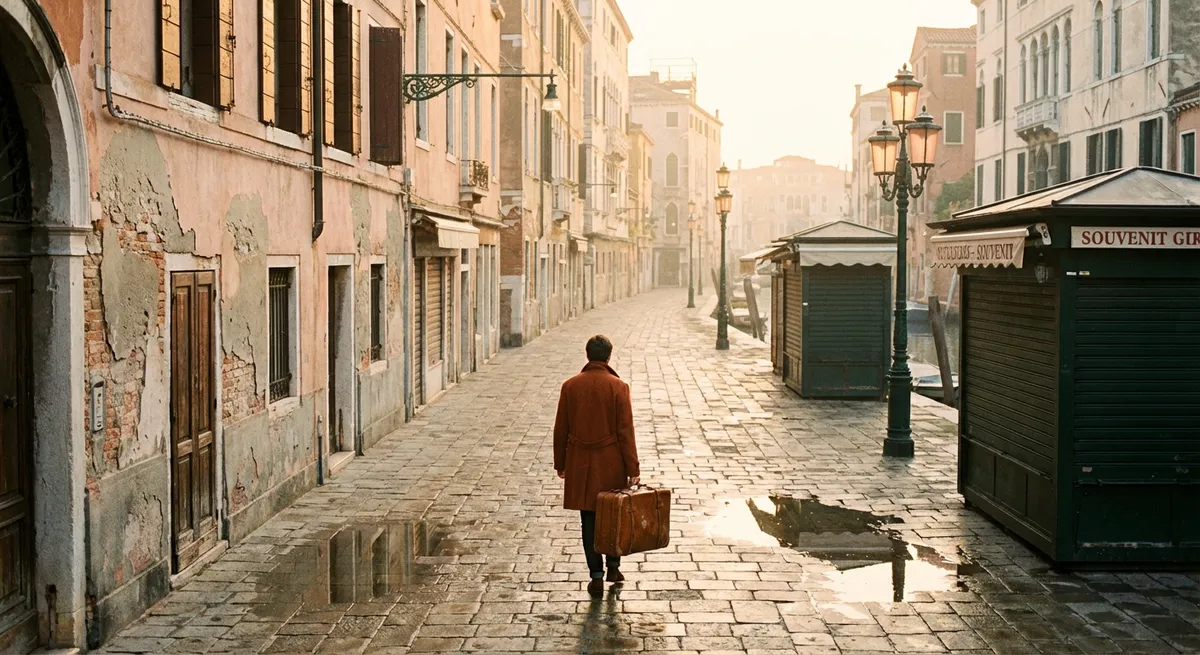
Travel doesn’t have to mean packed viewpoints, sold‑out tickets, and “fully booked” signs. Some of the world’s most famous destinations feel completely different—calmer, cheaper, and more authentic—if you meet them in their “hidden season.” This isn’t quite peak season, and it’s not full low season either. It’s the sweet spot in between, when locals exhale and travelers who planned well are rewarded.
Let’s explore how to experience iconic destinations on your own terms, plus five practical tips you can use for almost any trip you’re planning.
What Is a “Hidden Season” (and Why It’s Your New Travel Superpower)?
Every destination has three broad phases: high season (busy and expensive), low season (cheap but sometimes limited), and the in‑between period that often gets overlooked. That in‑between is your hidden season: shoulder months or even specific weeks when crowds thin, prices stabilize, and the weather is still inviting.
Hidden seasons look different around the world. Paris can feel crowded in summer but pleasantly energetic in late fall. Coastal towns that are jammed in August might be peaceful and still warm in late September. In some places, early rainy season means a short afternoon shower but rich green landscapes and far fewer tour buses.
When you learn to spot these windows, you unlock better hotel deals, more flexible itineraries, and a surprising bonus: locals often have more time and energy to chat, recommend spots, and share their city with you.
Matching Your Travel Style to the Right Destination
You’ll enjoy hidden-season travel much more if you match your personality and priorities with the right place at the right time. Start by asking: What matters most to you—weather, cultural events, outdoor adventures, food, or budget?
If you’re a festival lover, some destinations might only shine for you when local celebrations happen, even if that overlaps with busier times. For hikers and nature-focused travelers, trails might be safer and views clearer just outside peak months when snow melts or heat eases. Food-focused travelers might aim for harvest periods or shoulder seasons when restaurants are open but not swamped.
Research recent travel blogs, official tourism boards, and local news to see how seasons have actually played out in the last year or two. Climate and tourism patterns can shift, so what was “secretly great in May” five years ago may be different now. Aligning your style and timing with a destination makes even a popular place feel like it was designed just for you.
Tip 1: Use Data, Not Guesswork, to Find Your Sweet Spot
Instead of relying on vague advice like “avoid summer,” dig into actual data that shows you when to go.
Look at:
- Climate charts for temperature and rainfall by month (official meteorological sites are best).
- School holiday calendars in both your country and the destination—these often drive peak prices and crowds.
- Search trends over time for your destination on tools like Google Trends to see when interest spikes and dips.
- Event calendars from official tourism boards, which highlight festivals, conferences, marathons, and big events that can quietly drive up prices.
By overlapping these layers, you’ll often spot a pattern: a few weeks before or after peak season where prices soften, the weather stays decent, and major events are minimal. That’s your hidden window.
Bonus move: once you’ve narrowed it down to a month, check specific dates for large conventions or cruise ship arrivals that might concentrate crowds on certain days.
Tip 2: Target Famous Places at Unpopular Times of Day
Even in the busiest cities, you can carve out quiet moments by shifting your schedule. Think less “what day should I go?” and more “what hour can I go when most people are doing something else?”
For iconic attractions, early and late are your allies. An hour before official opening time, you’ll often see a completely different mood: staff arriving, locals passing through, and soft morning light over monuments. Near closing time, day tours have left, and the atmosphere can feel calmer and more intimate.
Pair this with a flexible meal schedule. Eat a late breakfast, skip a traditional lunch, and have an early dinner—or the reverse. While others are queueing for lunch, you can enjoy a nearly empty museum. While the sunset crowd jams one viewpoint, you might opt for a less famous, higher vantage point with just a few people.
By designing your day around “off-peak hours inside peak cities,” you keep the same big sights but step out of the herd.
Tip 3: Stay One Neighborhood Beyond the Obvious
Where you sleep shapes how a destination feels. Instead of booking right next to the main square, look one or two neighborhoods beyond the biggest landmarks. You’ll often find quieter streets, better prices, and more genuinely local food, all within walking or short transit distance of the action.
When choosing an area, check:
- Transit connections: Is there a reliable bus, tram, or metro line to central sights?
- Walkability: Sidewalks, safe crossings, and lighting matter, especially at night.
- Street-level character: Use street view imagery to see if the area is all tourist shops or a mix of grocery stores, cafés, and everyday services.
- Noise levels: Read reviews for mentions of nightlife noise, construction, or traffic.
This “one neighborhood out” strategy works in major cities and small towns alike. You get the best of both worlds: access to famous sights during the day and a more relaxed, local rhythm when you return “home.”
Tip 4: Build One Anchor Experience, Then Stay Flexible
Many travelers overbook their days, especially when visiting famous destinations. That leads to rigid schedules that can’t respond to weather, mood, or unexpected discoveries. A better approach: choose one “anchor” experience per day and keep the rest open.
An anchor experience could be:
- A timed entry to a major museum or site
- A pre-booked food or walking tour
- A day trip you’re really excited about
Book that anchor well in advance, especially in places known for timed tickets. Then leave generous blocks of time before or after to wander side streets, stop at a promising café, or follow a local’s recommendation.
This gives you structure without suffocation. If crowds are heavy near your anchor site, you can detour to a lesser-known park, neighborhood market, or small gallery without feeling like you’ve “failed the plan.” Flexibility is what turns a good trip into a great one.
Tip 5: Connect With Locals Safely and Respectfully
Even the most photographed city can feel fresh when you see it through local eyes. Today there are many ways to connect safely and respectfully, even if you’re shy or traveling solo.
Consider:
- Community-led tours: Look for tours run by residents, social enterprises, or neighborhood associations instead of only big operators. These often highlight lesser-known spots and local stories.
- Local classes and workshops: Cooking classes, craft workshops, or dance lessons give you a window into local life and a natural way to meet people.
- Language basics: Learning a few key phrases in the local language—hello, please, thank you, excuse me—often changes the tone of interactions right away.
Always be mindful of boundaries and privacy. Ask before photographing people or private spaces, and follow local customs around dress, behavior in sacred sites, and tipping or gifting. Respect creates space for genuine connection and opens doors you wouldn’t find in any guidebook.
Conclusion
Famous destinations don’t have to feel overdone or exhausting. When you lean into hidden seasons, smart timing, thoughtful neighborhood choices, flexible planning, and respectful local connection, even the most iconic city or landscape can feel fresh and personal.
Your next trip doesn’t need to be farther or more obscure to be memorable—it just needs to be better timed, better matched to your style, and a little more intentional. The world’s big-name places are waiting, but they’re even better when you meet them at the right moment, in your own way.
Sources
- U.S. Travel Association – Travel Trends and Seasonality - Data and reports on travel patterns and peak periods, useful for understanding timing and crowds
- National Oceanic and Atmospheric Administration (NOAA) Climate Data - Historical climate information by region to help evaluate weather across seasons
- European Travel Commission – Seasonality in Tourism Report - Research on how visitor numbers fluctuate across Europe and why shoulder seasons matter
- UNWTO (World Tourism Organization) Tourism Data and Insights - Global tourism statistics and analysis on trends, including seasonality and visitor flows
- VisitBritain – Visitor Statistics and Insights - Example of a national tourism board providing detailed data on peak vs. off-peak travel patterns
Key Takeaway
The most important thing to remember from this article is that following these steps can lead to great results.