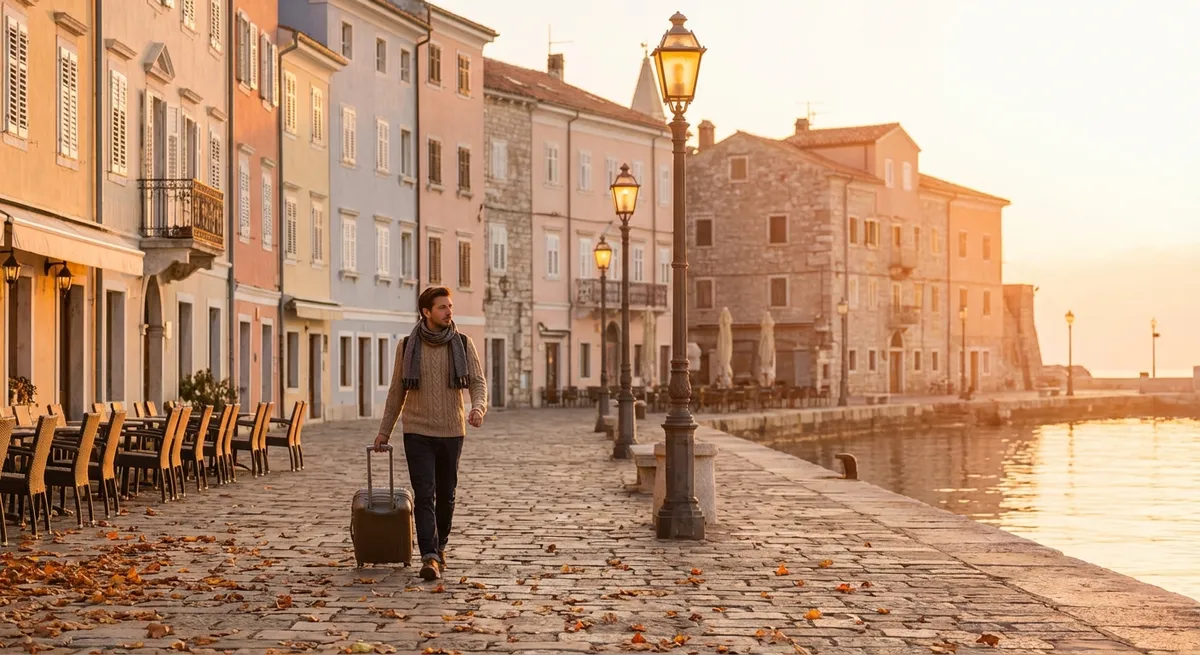
If you’ve ever dreamed of wandering iconic destinations without elbow-to-elbow crowds or punishing price tags, you’re probably craving the “hidden season” sweet spot. Every place in the world has windows of time that sit between peak and off-peak: quieter streets, softer light, friendlier prices, and locals who actually have time to talk. This isn’t about chasing the cheapest deal or the hottest month—it’s about finding the version of a destination that feels most alive and most yours.
Let’s break down how to uncover those in‑between moments and actually plan trips around them—plus five practical tips you can use for your very next escape.
What “Hidden Season” Really Means (And Why It’s Worth Chasing)
Most travelers know “high season” (best weather, biggest crowds, highest prices) and “low season” (bargains, but often with trade‑offs like rain, heat, or closures). Hidden season lives in the middle—shoulder months and even shoulder weeks that balance comfort, cost, and culture.
Hidden season often means:
- Milder weather that’s still good for exploring, just without the extremes
- Shorter lines at museums, attractions, and restaurants
- Better chances of snagging last‑minute reservations
- More authentic encounters with locals who aren’t overwhelmed by tourism
- Lower prices on flights and stays compared to peak periods
Think cherry blossoms after the Instagram rush in Tokyo, or Mediterranean islands in late September when the sea is still warm but the summer crowds have thinned. When you start timing your trips around these windows, you often get more of what you actually came for—space, connection, and atmosphere—without feeling like you’re battling tourism itself.
Tip 1: Read the Patterns, Not the Promotions
Destinations will often promote their most photogenic season, but what you want to understand are patterns: weather swings, school holidays, big festivals, and regional vacation periods. Those are what really drive crowd levels and prices.
Action steps:
- Cross‑check weather and crowd data. Look up historical weather (rainfall, temperature) and combine it with tourism stats or anecdotal “busy times” info from local tourism boards. For example, the U.S. National Park Service publishes visitation trends that reveal quieter months and weeks for popular parks.
- Watch for “micro peaks.” Even in shoulder season, a big convention, marathon, religious holiday, or national festival can spike prices and crowd levels for a few days. Search “[destination] events calendar [month/year]” and scan for major happenings.
- Compare weekdays vs. weekends. In many cities, you’ll feel a dramatic shift from a packed Saturday to a relaxed Tuesday—especially in European capitals and coastal destinations favored for weekend getaways.
By focusing on patterns instead of just glossy promos, you can slide into those overlooked weeks when a place feels like it exhaled.
Tip 2: Use Flight Prices and Maps as Your Destination Compass
Instead of picking a destination first and getting frustrated by prices and crowds, flip the script: let flight and train data help suggest where and when to go in hidden season.
Action steps:
- Use flexible date tools. Flight search engines with “flexible month” or “cheapest month” views show you price curves that often mirror demand. Shoulder‑season windows tend to sit between obvious peak spikes and off‑season troughs.
- Zoom out on maps. Once you find a region with attractive fares (say, Southern Europe in late October), scan nearby airports and cities on a map. Smaller or secondary destinations nearby may share the same good weather, with fewer crowds and better rates.
- Check alternative hubs. Instead of flying directly to the superstar city (e.g., Venice), consider flying into a nearby hub (e.g., Bologna), then taking regional trains. You might discover a fantastic hidden‑season base that’s cheaper and calmer, with easy day‑trip access.
Letting prices guide you within a general region often reveals destinations you wouldn’t have considered—but that line up perfectly with your timing and budget.
Tip 3: Book Lodging That Adapts to “What If” Weather
Hidden season sometimes means “maybe it rains, maybe it doesn’t.” Instead of letting that scare you off, choose stays that make bad weather… not a big deal.
Action steps:
- Prioritize “indoor comfort” in your search filters. Look for accommodations that mention cozy common areas, lounges, libraries, on‑site cafés, or wellness spaces. A rainy afternoon feels very different if you can hang out with a book and a view instead of being stuck in a cramped, dark room.
- Look at photos with a critical eye. Scan for natural light, comfortable seating, and sheltered balconies or terraces. These spaces extend your usable time, even if it’s windy or drizzly.
- Favor walkable neighborhoods. In hidden season, being a short stroll from cafés, markets, and indoor attractions matters more—especially if you don’t want to rely on taxis every time the sky looks moody.
When your base feels like part of the experience (rather than just a bed), you stop worrying about “perfect weather” and start enjoying the slower, in‑between rhythms of the place.
Tip 4: Build “Weather‑Proofed” Itineraries with Flexible Anchors
In peak season, you may feel pressure to lock in timed tickets and reservations months in advance. In hidden season, your superpower is flexibility. You can often plan around the weather day‑by‑day and still get into headline sights.
Action steps:
- Choose 1–2 anchors per day, maximum. Think of anchors as the experiences you care the most about—like a museum, a cooking class, or a hike. Keep the rest of the day unstructured so you can adapt to sun, wind, or rain.
- Group activities by “sunny,” “cloudy,” and “rainy.”
- Sunny: hikes, viewpoints, boat rides, rooftop cafés
- Cloudy: markets, neighborhoods, photo walks, bike rides
- Rainy: galleries, food halls, historic houses, live music venues
- Use local forecasts strategically. Check the 24–48 hour forecast each evening and reshuffle your anchor activities accordingly. Many attractions in shoulder seasons still have same‑week or even same‑day availability.
- Have a “backup day” for your biggest must‑do. If there’s one key thing that’s weather‑dependent (like a specific hike or day trip), plan it early in your stay so you can re‑try later in the week if conditions aren’t ideal.
This style of planning turns hidden‑season uncertainty into a kind of freedom: you’re no longer locked into a joyless schedule; you’re reading the day and responding to it.
Tip 5: Follow Local Rhythms Instead of Tourist Schedules
One of the biggest perks of hidden season is that daily life isn’t dominated by tourism. Locals are more visible, more relaxed, and often more willing to strike up conversations. To really feel this, shift your routines toward their rhythms.
Action steps:
- Pay attention to opening hours and seasonal schedules. Some businesses scale back hours in shoulder or off‑peak periods—but the ones that stay open are often places locals actually use. These become prime spots for people‑watching and casual chats.
- Eat when locals eat. Instead of sticking to 6 p.m. dinners in countries where people dine at 8:30 or 9, slide into the local timeframe. You’ll avoid the early, tourist‑heavy wave (if there is one) and often find more authentic energy.
- Use local blogs and social media. Search in the local language where possible (or translate terms) to find neighborhood bars, community events, independent cinemas, and seasonal markets. These low‑key gatherings can be trip highlights in hidden season.
- Ask specific, time‑sensitive questions. Rather than “What should I do here?” try “What do you like to do in this city in October?” or “Where do you go for a cozy afternoon when it’s rainy?” The answers are usually pure gold.
By borrowing local routines, you stop experiencing the destination as a backdrop and start living inside its seasonal rhythm—even if you’re only there for a few days.
Conclusion
Hidden‑season travel is less about clever timing hacks and more about choosing your version of a place: softer light, easier conversations, relaxed streets, and room in your schedule to follow the mood of the day. When you read destination patterns instead of just promos, let prices guide you to regional gems, pick stays that make “iffy” weather enjoyable, design flexible itineraries, and sync up with local rhythms, you unlock a way of traveling that’s both calmer and more connected.
You don’t need a whole new travel philosophy—just a willingness to slide a few weeks off the peak and see what appears. Your favorite memory from the trip might not be the postcard‑perfect skyline, but the quiet café you found on a misty Tuesday morning, in a city finally moving at its own pace.
Sources
- UN World Tourism Organization (UNWTO) - Tourism data and seasonal visitation patterns by region
- U.S. National Park Service – Visitor Use Statistics - Historical visitation data to help identify quieter months and weeks in popular parks
- NOAA National Centers for Environmental Information - Historical climate and weather data for planning around seasonal patterns
- European Travel Commission – Seasonal Tourism Reports - Analysis of travel trends and seasonality across European destinations
- Japan National Tourism Organization (JNTO) - Example of official tourism guidance that shows how weather and seasons affect travel experiences
Key Takeaway
The most important thing to remember from this article is that following these steps can lead to great results.