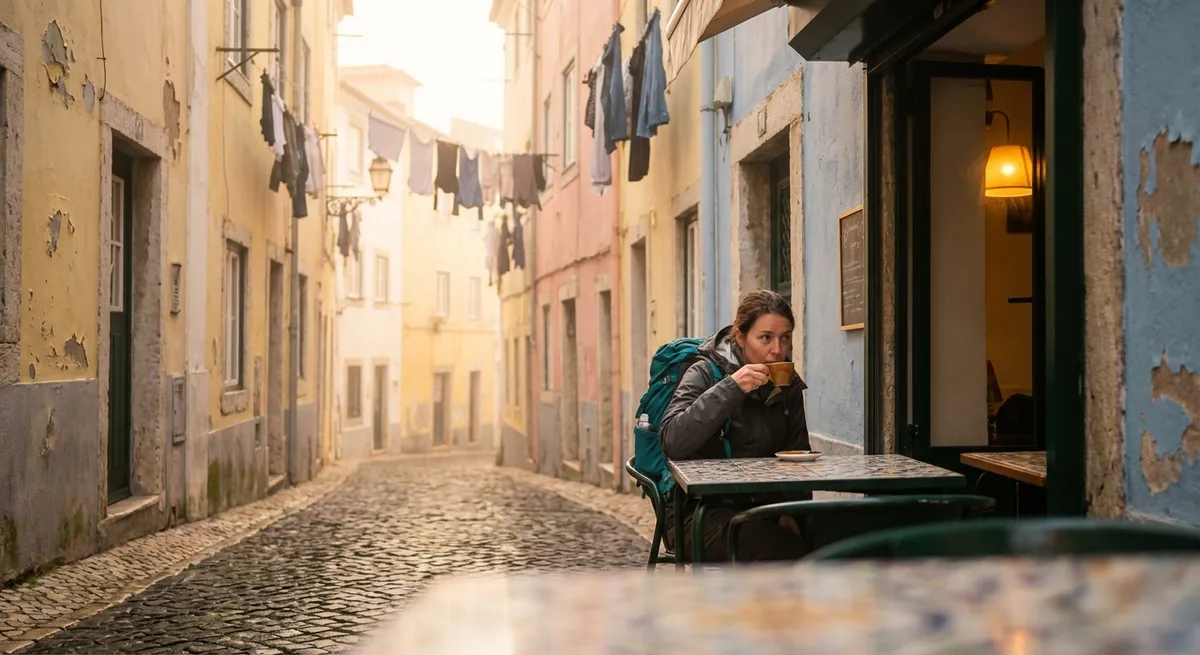
Travel doesn’t have to mean standing in endless lines, overpaying for hotels, or squeezing into packed photo spots. Around the world, the most popular destinations have “hidden seasons” where the weather is still great, the prices are better, and the pace is blissfully calm. With a few smart moves, you can experience big-name places—think Paris, Tokyo, or Santorini—like a local instead of a stressed-out tourist.
This guide breaks down how to find and enjoy those sweet spots in the calendar, plus five practical, ready-to-use tips to make your next destination trip smoother, cheaper, and way more memorable.
What “Hidden Season” Travel Actually Looks Like
Most destinations operate on three broad travel seasons: high (peak), low (off-peak), and shoulder. Hidden-season travel usually lives in the shoulder months—those in-between periods when the weather is decent, but the crowds haven’t fully arrived or have already gone home.
In Europe, that might mean late April or early October instead of July and August. In parts of Southeast Asia, it could be a couple of weeks right before or after rainy season, when showers are shorter and less disruptive but prices haven’t spiked yet. Ski towns often have a magical early-December window where holiday decorations are up, slopes are open, and accommodation deals are still on the table.
The reward: shorter lines at major attractions, more genuine interactions with locals, better chances at last-minute reservations, and more flexibility in your daily plans. You’re not fighting every other traveler for the same sunset viewpoint—you’re actually soaking it in.
Tip 1: Shift Your Dates, Not Your Destination
Instead of giving up on a dream destination because “it’s always busy,” experiment with shifting your timing first. Start by looking up the peak travel months for where you want to go, then nudge your dates a few weeks earlier or later.
For example, Paris in late May instead of June can mean milder temperatures, more availability at mid-range hotels, and shorter lines at big sights like the Louvre and Eiffel Tower. Similarly, visiting Japan in late November might deliver gorgeous autumn foliage without the intense spring cherry blossom crowds (and prices). The goal is to land just outside of the most in-demand days—school holidays, national holidays, big festivals—while still catching the best of the destination.
Once you have a draft window, cross‑check it with climate data (average rainfall, temperature, daylight hours) rather than just “best time to visit” summaries. You might discover that what’s labeled as “shoulder season” on blogs is actually ideal for you—especially if you can handle a bit of cooler weather or the chance of a passing shower in exchange for more space and better deals.
Tip 2: Use Flight and Price Tools to “Listen” to a Destination
Hidden-season travel gets way easier when you let data guide you. Use flexible-date search tools on major flight sites to see when prices suddenly drop for your chosen destination—those dips often signal less demand and lighter crowds. Expand your search to a full month instead of fixed dates and watch for patterns: two cheaper weeks surrounded by higher prices is often your quiet sweet spot.
Next, compare those airfare trends with average hotel prices on major booking platforms. If both flights and accommodations taper down at the same time, you’re likely looking at a hidden season. If flights are cheap but hotels remain high (or vice versa), dig deeper—there might be a local festival, major conference, or regional holiday driving up demand.
Also look at attraction websites or local tourism boards for seasonal schedules. Are some key experiences closed or limited during the dates you’re considering? Sometimes a slight tweak—like arriving a few days earlier—can give you both lower prices and full access to the city’s highlights.
Tip 3: Pick a Smart “Home Base” to Unlock More in One Trip
Where you stay can be just as powerful as when you go. Choosing a strategic “home base” lets you enjoy a major destination while escaping its most intense crowds and costs. Instead of staying in the busiest historic center, look for a neighborhood or nearby town that’s connected by reliable public transport.
Think of staying in a quieter, residential area of Rome instead of directly by the Colosseum, or picking a smaller village near a busy coastal hotspot and using trains or ferries for day trips. These bases often give you calmer evenings, more local dining options, and better chances of last-minute bookings—especially during busier weeks within a shoulder season.
Use official public transit maps and schedules to confirm how easy it is to get around before you book. A 20-minute metro ride into the heart of the city is very different from a 90-minute bus that runs twice a day. When your “home base” is well connected, you can pivot your plans based on weather, mood, or last-minute tips from locals without feeling locked in.
Tip 4: Time Your Days Like a Local, Not a Tour Group
Even in popular destinations, you can carve out your own quiet pockets just by flipping your daily schedule. Many tour groups and day-trippers converge on the biggest attractions mid-morning to mid-afternoon. If you’re willing to start earlier or stay later, you can experience the same spots with far fewer people.
For outdoor sights and iconic viewpoints, aim for right after opening or close to closing time. Morning light is often better for photos anyway, and you’ll usually stand in shorter lines. Popular markets can be more relaxed in the final hour before closing, when stalls are winding down and vendors have time to chat. Museums sometimes offer late-night openings on specific days—check their official websites and slot those nights into your plan.
Structure your day so the “must-do” experiences happen during quieter windows, then fill the peak hours with more flexible, low-stress activities: wandering neighborhoods, taking a long café break, picnicking in a park, or exploring lesser-known museums or side streets. You’ll feel like you’ve doubled the value of your time without rushing.
Tip 5: Build a Weather-Resilient Plan So Nothing Derails You
Hidden seasons usually mean pleasant but not perfect weather. Instead of fearing this, plan around it so you’re never stuck in your hotel waiting out a short shower or unexpected temperature drop. Start with a simple “weather-flexible” structure: indoor options for each neighborhood you’ll visit, plus one or two backup ideas for every day.
For example, pair an open-air market with a nearby covered arcade or museum. If the sky looks gray, just swap the order. Keep a short list of cozy cafés, libraries, galleries, or indoor viewpoints bookmarked on your map app—you’ll have instant go‑tos when conditions change. Pack layers and at least one packable layer for wind or rain so you can keep moving comfortably.
A flexible attitude is part of the plan, too. Some of the best travel memories come from unexpected pivots: ducking into a family-run restaurant because of a sudden shower, or having a nearly private gallery visit because others rented bikes and got caught in the rain. When your itinerary is designed with weather in mind, those “disruptions” turn into stories, not setbacks.
Conclusion
You don’t have to avoid famous destinations—you just need to meet them at the right moment and on your own terms. By shifting your dates slightly, letting price and transit data guide your choices, picking a smart home base, timing your days away from tour-group peaks, and planning for flexible weather days, you can turn any big-name place into a more relaxed, rewarding experience.
The world’s best-known cities, islands, and landmarks feel completely different when you have breathing room, time to wander, and the freedom to improvise. Start with one dream destination, apply these hidden-season strategies, and you’ll see how much more enjoyable— and surprisingly affordable—your trips can become.
Sources
- U.S. Department of State – Travel Advisories - Official guidance on safety and seasonal considerations for destinations worldwide
- National Oceanic and Atmospheric Administration (NOAA) – Climate Data - Historical weather and climate information to help research shoulder seasons
- UN World Tourism Organization (UNWTO) - Global tourism data and seasonality trends for popular destinations
- Japan National Tourism Organization (JNTO) - Example of how official tourism boards outline peak vs. off-peak travel periods
- European Commission – Your Europe: Passenger Rights - Useful reference for understanding air and rail travel flexibility and protections in Europe
Key Takeaway
The most important thing to remember from this article is that following these steps can lead to great results.