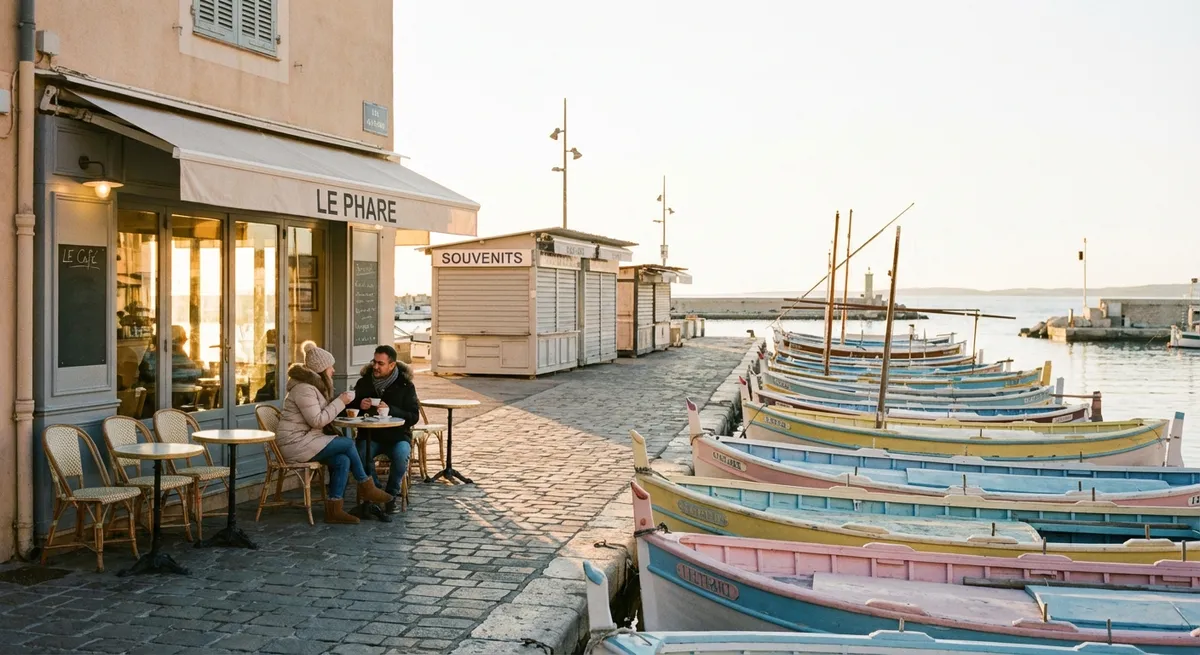
There’s a magic window for almost every destination when prices dip, crowds thin, and the weather still feels incredible. It’s not peak season, and it’s not full-on off-season—it’s the “hidden season” that locals love and most visitors overlook. Learning how to spot this sweet spot can completely change how (and where) you travel.
What “Hidden Season” Really Means
Hidden season sits between peak season and off-season, but it’s more about experience than exact dates. Picture Paris after summer but before winter markets, or a Caribbean island just before high season rates kick in.
Instead of chasing generic “shoulder season” advice, hidden season planning looks at what you value most: milder weather, local festivals, fewer lines, or better deals. For some travelers, that’s early spring in Europe when café terraces reappear and flights haven’t spiked. For others, it’s late fall in Japan after the biggest leaf-peeping rush but before winter sets in.
The key is understanding that tourism cycles are hyper-local. School holidays, cruise schedules, and even conference calendars can shift a place from relaxed to packed almost overnight. Hidden season travel is about sliding just outside those surges while still catching the best of what the destination offers.
Tip 1: Reverse-Engineer Your Dates From Local Events
Instead of starting with your vacation dates and “seeing what’s available,” flip the script: start with the destination’s calendar and work backward.
Search for major local events—marathons, music festivals, big holidays, cruise ship docking seasons, and school breaks. These aren’t bad times to visit (they can be amazing), but they do affect prices, availability, and crowd levels. Once you know when the big spikes are, look for the weeks just before or after. That’s often where the hidden season lives.
Check tourism board event calendars, local city websites, and major venue schedules (stadiums, convention centers, concert halls). This helps you avoid accidentally landing in the middle of a massive convention or national holiday that sends hotel prices soaring. By arriving a few days early or leaving a bit later than the crowd, you can tap into the same atmosphere with far less pressure on your time and budget.
Tip 2: Use Weather and Daylight Data, Not Just “Best Time to Visit” Lists
“Best time to visit” blog posts can be helpful, but they’re often written broadly and don’t reflect your specific tolerance for heat, cold, or rain. Instead, dive into actual climate data and daylight hours.
Look up average temperatures, rainfall, humidity, and sunshine for each month over several years. Then cross-check how you like to travel. Love cozy café time and museums? You might be fine with cooler, cloudier days. Prefer long hikes or late dinners outside? You’ll want more daylight and moderate temperatures.
Daylight hours matter more than many travelers realize. In some northern destinations, visiting even two weeks earlier can give you an extra hour or more of sun each day—huge when you’re trying to squeeze in sights and long walks. Hidden season often appears in that narrow band when daylight is improving or just beginning to wane, but before tour groups fully ramp up.
Tip 3: Track Price Fluctuations Like a Data Nerd (For Just One Week)
You don’t need to monitor flights for months to get value. Set aside one focused week to track prices, then decide.
Pick your top one or two destinations and a rough date range. Use a flight-search tool that shows price calendars and set alerts for your route. Check fares at the same time each day for a week, and do the same with a couple of hotel or vacation rental options. You’ll quickly see patterns: which weekdays tend to be cheaper, which weekends spike, and whether moving your trip by 3–4 days changes the price significantly.
Hidden season often reveals itself as a stretch where both flights and lodging dip together—but the weather and local vibe still look good. When you see a drop that lines up with decent climate and fewer major events, that’s your cue to move. This short burst of focused tracking is far more effective than casually checking prices “whenever you think of it.”
Tip 4: Zoom In Beyond the Headline City
Sometimes the “destination” isn’t just the famous city—it’s the region around it. When one hotspot is packed, nearby towns can quietly fall into their own hidden season.
If a capital city’s hotel prices are punishing during your dates, look at secondary cities or coastal towns within a train or bus ride. Often, conferences, major sports events, or big concerts concentrate in the main city, leaving nearby areas calmer and cheaper while still sharing the same climate and cultural rhythm.
This approach also creates a better balance: you can day-trip into the headline city for specific must-see sights, then retreat somewhere more relaxed at night. In many countries, smaller cities or towns offer more contact with local life, easier restaurant reservations, and quieter evenings—all while riding the same seasonal wave as the big-name destination, just without the intensity.
Tip 5: Build Flexible Itineraries That Can Pivot
Hidden season travel works best when you leave room to adapt based on what you find on the ground. Instead of booking every hour with timed tickets and prepaid tours, anchor your trip with a few “non-negotiables” and keep the rest fluid.
Lock in essentials (flights, first and last-night stays, one or two key experiences that sell out) and leave space in between. Once you’re there, talk to locals—hotel staff, baristas, guides, shop owners—about what’s happening this week. Hidden season often coincides with neighborhood festivals, seasonal foods, pop-up markets, and local traditions that don’t always show up in guidebooks.
With a flexible plan, you can shift a museum day to chase perfect hiking weather, move a coastal visit to align with calmer seas, or swap a crowded hotspot for a quieter neighborhood suggestion. You’re not just avoiding crowds and high prices—you’re giving yourself room to say yes to what the destination is actually offering in that moment.
Conclusion
Finding a destination’s hidden season is less about secret travel hacks and more about paying attention: to local calendars, real climate data, price patterns, and on-the-ground possibilities. When you match your own preferences to that sweet spot between peak and off-peak, trips feel smoother, more personal, and often surprisingly affordable.
Instead of asking, “When is the best time to go?” start asking, “When does this place feel most like itself—without the rush?” That’s where the real travel magic lives.
Sources
- U.S. Travel Association – Travel Forecasts and Data - Offers insights into travel trends and seasonal demand patterns
- NOAA Climate Data Online - Historical weather and climate data to help evaluate conditions by month
- World Tourism Organization (UNWTO) – Tourism Statistics - Global tourism data that reflects visitor flows and seasonality
- VisitBritain – Tourism Research & Insights - Example of a national tourism board’s data and seasonal visitation patterns
- European Commission – Tourism Statistics - Official stats on tourism intensity and seasonality across European destinations
Key Takeaway
The most important thing to remember from this article is that this information can change how you think about Destinations.