If you grew up thinking that hotels, flights, and restaurant meals were “luxuries” only rich people could afford, you’re not alone. A viral Reddit thread—recently featured in a Bored Panda article about things people thought were luxuries because they grew up poor—has struck a nerve online. People are sharing how basics like eating out once a month, staying in a hotel, or going on a plane even once felt wildly out of reach. That same energy is now spilling into travel TikTok and Instagram, where creators are showing how they’re making those “luxuries” doable on tight salaries.
The good news: today’s travel tools, ultra‑low‑cost carriers, and deal‑hunting apps are quietly turning those once‑in‑a‑lifetime experiences into realistic, repeatable trips—if you plan them smartly. If you’ve ever looked at your bank account and thought, “Travel is not for people like me,” this guide is for you.
Below are five practical, right‑now strategies to make travel feel less like a luxury and more like a carefully planned life upgrade—without blowing your budget.
Reframe “Luxury”: Aim For Value, Not Vibes
The Reddit stories going viral right now highlight how easy it is to equate “nice” with “expensive”—especially if you grew up with very little. That mindset can follow you into adulthood and quietly convince you that travel equals 5‑star hotels and glossy Instagram moments, or nothing at all. Flip that script: your real goal is value, not vibes.
Start trip planning with three questions: What experience do I actually want (rest, culture, food, nature)? What’s the minimum comfort I need to feel safe and happy (private room, clean bathroom, AC, kitchen access)? What am I okay skipping (daily café coffees, fancy rooftop bars, tourist traps)? Once you’re clear, you can confidently book a simple but clean guesthouse instead of a “cute” boutique hotel, or grab street food instead of sit‑down restaurants every night. Take advantage of the huge growth in budget‑friendly options—family‑run pensions in Europe, capsule hotels in Asia, and hostels with private rooms worldwide. None of these are “less than”—they’re tools to stretch your cash so you can afford more trips, not just one glamorous blowout.
Use Flexible Search Tools The Way Deal Pros Do
With prices fluctuating daily and social media full of “I got round‑trip to Europe for $350” flexes, it can feel like you’re always missing the magic window. You’re not—it’s just about how you search. Right now, flexible search tools are the budget traveler’s secret weapon, and they’re getting better every month.
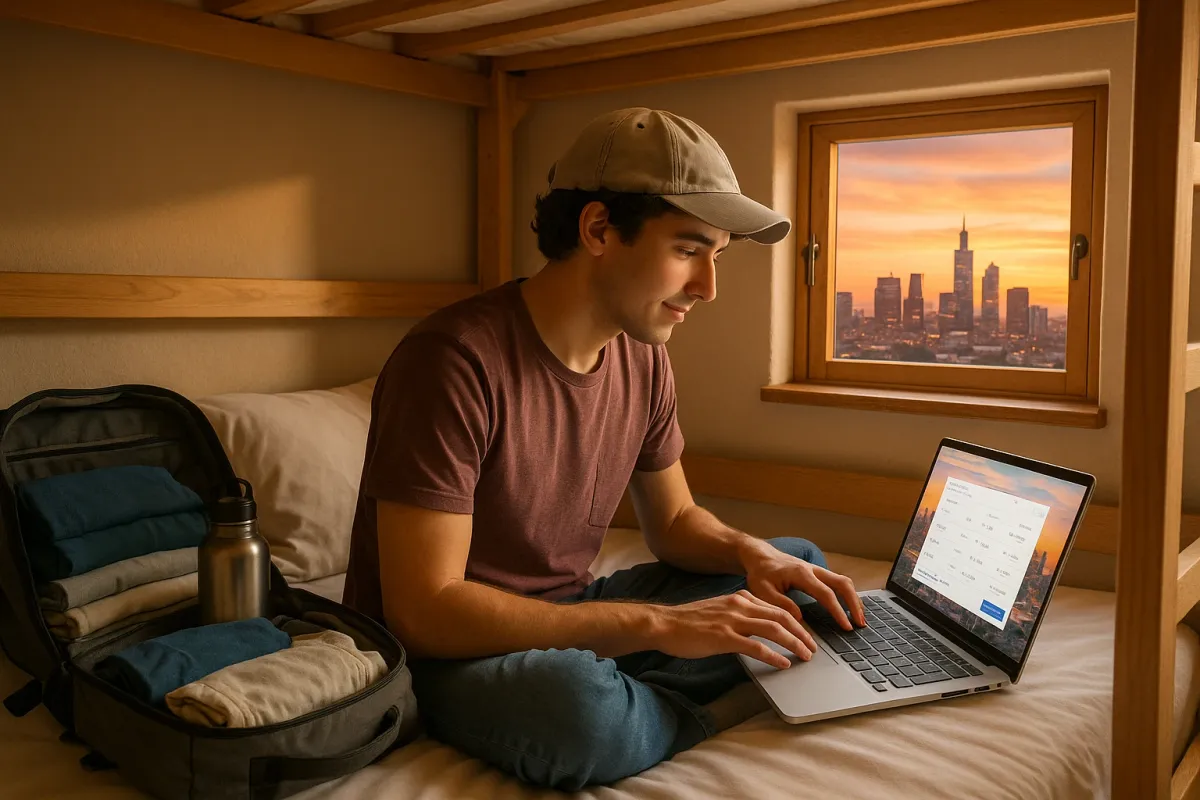
On Google Flights, Skyscanner, and Hopper, don’t just plug in fixed dates and cities. Instead, use “Explore” or “Everywhere” modes and search by month or “cheapest month” rather than specific days. Let the tools show you where prices dip. Airlines and OTAs have been aggressively pushing flash sales and mid‑week promos to fill seats—especially low‑cost carriers in Europe and Asia—so build flexibility into your life where you can: remote days, long weekends, or working from a different time zone. Set price alerts for routes you actually care about and watch for patterns over a few weeks; when you see prices drop below your “this would be amazing” threshold, book. This approach turns travel from “I want Paris on July 12th, no matter the cost” into “I’ll go where my budget stretches furthest this spring,” which is exactly how frequent budget travelers are racking up stamps.
Treat Accommodation Like A Bill You Can “Hack”
Those Reddit posts about never staying in a hotel as a kid hit hard because accommodation is still usually the biggest trip expense. But 2025 travelers have more options than ever if you’re willing to be a bit creative and informed.
First, compare total costs, not just nightly rates: some cheap hotels kill you with “resort fees” and pricey breakfast, while a slightly higher‑priced guesthouse with a kitchen and free coffee can save you a ton over a week. Check Booking.com, Hostelworld, and direct hotel sites side‑by‑side—properties sometimes offer discounts or free extras (like late checkout or breakfast) if you book direct. In cities where housing platforms are controversial or heavily regulated, like parts of New York, Barcelona, and Amsterdam, look for licensed listings or switch to budget hotels and hostels to avoid surprise cancellations or fines. For longer stays, explore trusted house‑sitting platforms or work‑exchange networks where you trade a few hours of help for a room—these communities have grown massively since the pandemic normalization of remote work, and the savings can be huge. Approach it like hacking your monthly rent: find the most affordable, legal, and comfortable option that fits your non‑negotiables, then lock it in early.
Eat Like A Local Worker, Not A Tourist
Those viral “luxury” confessions often mention restaurant meals as rare childhood treats—and restaurant spending can still wreck a tight travel budget fast. The solution isn’t to survive on instant noodles; it’s to copy how local workers eat during a normal week.
Skip the Instagram‑famous brunch spots and hunt where office workers and students are lining up: business‑district lunch menus in Europe, worker canteens in East Asia, market stalls in Latin America, “menus del día” in Spain, or neighborhood bakeries and takeout counters almost anywhere. These places exist to feed locals affordably, not impress visitors. Book a stay with at least a mini‑fridge and kettle (ideally a kitchen) so you can do simple breakfasts and the occasional dinner in: yogurt, fruit, instant oats, eggs, and supermarket salads are cheap and require minimal gear. In many cities, supermarket rotisserie chicken or prepared deli meals are a fraction of restaurant prices. Reserve your restaurant splurges for one or two carefully chosen places that really excite you—research them in advance, budget for them like events, and enjoy them guilt‑free instead of death‑by‑a‑thousand‑snacks.
Build A “Travel Fund” That Feels Possible, Not Punishing
One theme from the trending “grew up poor” thread is emotional whiplash: finally earning your own money, then feeling guilty or reckless for wanting to spend it on travel. The fix is a travel fund that’s tiny, automatic, and honest about your reality—no toxic hustle culture required.
Open a separate savings space (many app‑based banks now let you create “vaults” or “buckets”) and name it something specific, like “Lisbon weekend” or “Parents’ first beach trip.” Even $10–$20 per paycheck adds up when it’s ring‑fenced. Use roundup features on your debit card if your bank offers them: each time you buy something, a few cents go straight to travel. When you get windfalls—tax refunds, small bonuses, cash gifts—decide in advance what percentage goes to debt, living costs, and travel so you’re not making stressful decisions in the moment. Then, plan your trips around what’s in that fund, not around what’s on your credit card. Watching that balance grow turns travel from a guilty impulse into a planned project, and that mindset shift is exactly what’s helping so many people in today’s conversations move from “Travel is a luxury I’ll never have” to “I can make this happen, one small step at a time.”
Conclusion
Right now, social media is full of people unpacking what “luxury” meant in their childhood—and for many, travel was at the top of that unreachable list. The travel world hasn’t magically become cheap, but it has become more hackable, thanks to flexible search tools, an explosion of budget‑friendly stays, and smarter ways to handle everyday costs like food and transport.
When you focus on value instead of vibes, use flexible tools like a pro, get creative with accommodation, eat like a local worker, and build a realistic travel fund, you stop waiting for some future version of yourself who’s “rich enough to travel.” You start traveling as you are, with the income and responsibilities you have right now. And that might be the most powerful upgrade of all.
Key Takeaway
The most important thing to remember from this article is that this information can change how you think about Budget Travel.