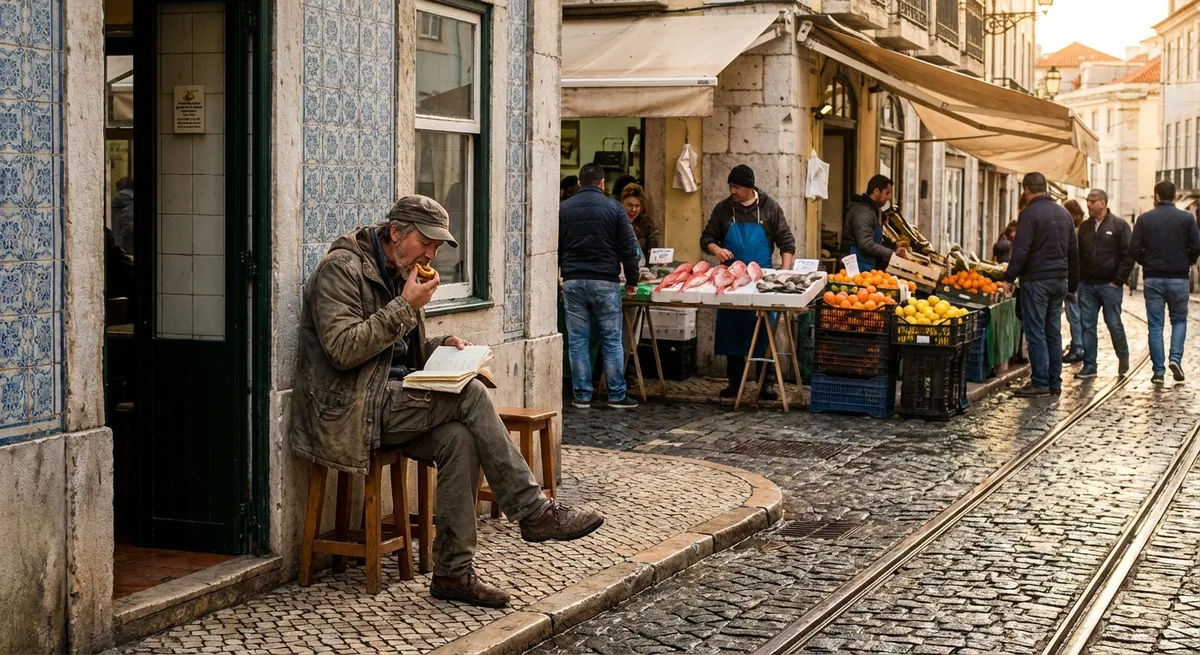
What if instead of picking a destination first, you picked a flavor, a dish, or a food market—and let that lead you to your next adventure? Food isn’t just something you eat on the road; it’s a shortcut into a place’s history, people, and everyday life. Whether you’re a street-food hunter, a café hopper, or someone who just really loves a good market, using food to guide your travels can turn even a short trip into a deep, memorable experience.
This guide will help you plan destination choices around local flavors—without needing to be a “foodie” or spend a fortune—and give you five practical tips you can use on your very next trip.
Why Food Is a Powerful Compass for Choosing Destinations
Food is one of the easiest and most rewarding ways to understand a place. Every dish is a story: where ingredients come from, who cooks them, what’s in season, and what people gather around on special days. When you follow those stories, you get a very different kind of trip than you’d get from just hitting “top attractions.”
Choosing destinations with local cuisine in mind pushes you beyond tourist zones into neighborhoods where people actually live. You’ll notice small details—grocery prices, lunchtime rush, family-run bakeries—that tell you how life flows there. In many cities, the most interesting conversations happen at communal tables, food stalls, or in line at a bakery. Asking, “What should I try here?” is an instant icebreaker.
Food-led travel also helps you structure your days. Markets in the morning, a cooking class or food tour in the afternoon, a slow dinner in a local restaurant—suddenly you have a rhythm that doesn’t depend on long museum lines or crowded viewing decks. And because food connects to climate, geography, and culture, it naturally leads you to regions you might never have considered, like wine villages, fishing towns, or mountain farms.
How to Pick Destinations by Flavor, Not Just by Map
Instead of starting with a country and asking, “What do people eat there?”, flip the script. Start with a craving, an ingredient, or a food experience you’re curious about, and work backwards to find where it’s truly part of local life.
Maybe you’re obsessed with fresh seafood, craft coffee, spicy dishes, or bakery culture. Those preferences can narrow down destinations fast. For example, a love of coffee might point you toward places with strong café traditions or nearby coffee-growing regions. A fascination with noodles could push you to compare regions where they’re central to daily meals, each with its own style and story.
You can also build trips around food seasons: truffle hunts in autumn, cherry blossom sweets in spring, grape harvest festivals, or mango seasons. Seasonal produce can be a more authentic anchor than big-ticket events because it’s tied to what locals actually celebrate and look forward to each year. When you time your visit around flavors, you get a destination at its most alive and proud of what it grows and cooks.
Five Practical Food-Focused Travel Tips You Can Use Anywhere
Here are five specific, low-effort ways to build richer trips around food—without needing to plan your entire itinerary around reservations.
1. Start Every Trip with a Market Visit
On your first full day in a new place, go to a local market—whether it’s a morning produce market, a night market, or a covered indoor hall. This single move gives you a fast, high-impact introduction to how people eat.
At markets, you see which fruits and vegetables are in season, what people line up for, and how much everyday life costs. You can also spot regional specialties you might not find on tourist menus. Watch what locals buy, and if it feels comfortable, ask a simple question like, “What is this usually cooked with?” or “When do people eat this?” Those tiny questions often turn into recipe tips and neighborhood recommendations.
Practical tip: Take photos of unfamiliar ingredients and dishes (with permission if people are involved) and use them later to ask restaurant staff, cooking-class hosts, or locals, “Where can I try this cooked?” It’s a fun way to discover places you’d never find on a “Top 10” list.
2. Use Food Maps and Local Blogs Instead of Just Star Ratings
Before you go, search for food-focused maps or local blogs about your destination. Instead of relying purely on big review sites, look for people who write specifically about food culture in that city or region. They’re more likely to highlight family-run spots, regional specialties, and places where locals actually eat.
Look for phrases like “traditional dishes of [city/region],” “historic cafés,” or “oldest bakeries.” Add those places to a custom map on your phone. You don’t have to hit them all—use them as options scattered across the city so that wherever you wander, you’re never far from a meaningful food stop.
Practical tip: For every sightseeing spot you save, pin at least one nearby “food with a story” location (like a century-old bakery, a long-running noodle shop, or a social-enterprise café). This keeps you from defaulting to the most convenient, tourist-oriented place when you’re hungry.
3. Book One Food Experience That Teaches You Something
Instead of trying to cram in multiple food tours or classes, pick one experience that actually teaches you a skill or context you’ll use for the rest of the trip. This might be:
- A short cooking class focused on one or two local dishes
- A market walk with a chef or guide who explains ingredients
- A coffee, tea, or wine tasting that covers local production and etiquette
That single, well-chosen experience becomes your lens for all the meals that follow. Suddenly you recognize herbs, spices, or preparation methods on menus. You might understand why certain dishes are eaten at lunch but not dinner, or why some foods are associated with celebrations.
Practical tip: Look for experiences that are capped at small group sizes or run by locals who live in the neighborhood you’re exploring. Read description details carefully—experiences that include a visit to a home kitchen, family-owned farm, or small workshop often give you more depth than large-group tours.
4. Eat One Meal Away from the Tourist Core Every Day
Even in the most crowded destinations, local life often starts just a few blocks from major sights. Make it a daily rule: at least one meal—breakfast, lunch, or dinner—should be somewhere outside the busiest tourist area.
You can use simple tactics:
- Walk 10–15 minutes away from the main attraction before you start looking for a place to eat
- Peek at menus: are they only in one or two languages, and are prices noticeably lower? That’s often a good sign of local focus
- Look at the crowd: are there solo diners, workers in uniforms, or families? That usually suggests everyday, not just visitor, traffic
Practical tip: Decide which meal you’ll “protect” in advance. For instance, commit to finding a non-touristy spot for lunch each day. This builds a habit and turns “where should we eat?” from a stressful question into a fun little daily mission.
5. Use Food to Learn Basic Local Phrases and Etiquette
Food is the easiest doorway into language and customs. Before you arrive, learn a handful of phrases tied to eating: “please,” “thank you,” “delicious,” “what do you recommend?”, and “I’d like to try something local.” Knowing just these can change interactions with servers, street vendors, and café staff.
Take note of how locals order, share dishes, tip (or don’t tip), and handle leftovers. Respecting food customs shows that you’re paying attention to more than just your own comfort. In many places, small gestures—like accepting a sample with your right hand, finishing what’s on your plate, or waiting for a toast before sipping—carry a lot of cultural weight.
Practical tip: Make a tiny “food cheat sheet” on your phone with key phrases, typical mealtimes, and any important do’s and don’ts (like whether it’s normal to share plates, or if you should seat yourself). Glance at it before you walk into a restaurant or stall; it’s a simple way to feel more confident and respectful.
Turning a “Good Trip” into a Memorable One—One Meal at a Time
You don’t need a huge budget or rare reservations to build travel around food. You just need curiosity and a willingness to let flavors guide you into new corners of a destination. When you start with markets instead of monuments, conversations instead of checklists, and local habits instead of only your own, you leave with more than photos—you leave with stories you can taste and recreate back home.
On your next trip, try shifting just a little bit: pick one destination because of something you want to eat there, schedule one meaningful food experience, and commit to one meal a day in a neighborhood where visitors rarely linger. You’ll discover that when you follow the food, the most memorable parts of your journey often appear between the sights—at a street stall, a tiny café table, or a bustling market stand where someone hands you something new and says, “Try this.”
Sources
- UNESCO – Intangible Cultural Heritage: Gastronomy and Traditional Food – Explains how food traditions are recognized as cultural heritage around the world
- Food and Agriculture Organization of the United Nations (FAO) – Food and Culture – Discusses how food reflects culture, identity, and local environments
- U.S. Department of State – Tips for Traveling Abroad – General travel preparation guidance that can be adapted when planning food-focused trips
- National Geographic – Why Food Is the Best Way to Learn About a Place – Explores the connection between local cuisine and understanding destinations
- BBC Travel – The Rise of Food Tourism – Looks at how travelers increasingly choose destinations based on culinary experiences
Key Takeaway
The most important thing to remember from this article is that this information can change how you think about Destinations.