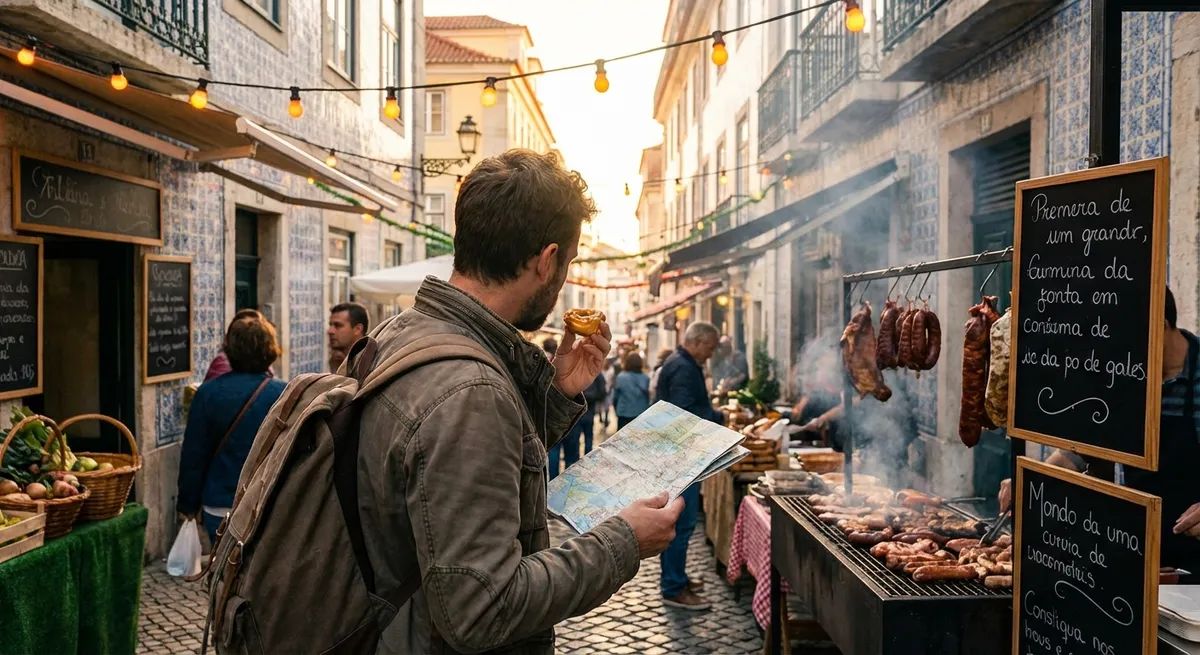
Travel gets unforgettable when you stop chasing sights and start following tastes. Building a trip around local food doesn’t just fill your belly—it plugs you straight into a place’s history, daily life, and culture in the most delicious way possible.
Instead of asking “What should I see?”, start asking “What do people here love to eat—and where do they actually go?” That shift can completely transform how you choose destinations, neighborhoods, and even what time of year you travel.
This guide will walk you through how to design food-first trips, features some flavor-packed destination ideas, and shares 5 practical tips you can use in any city to eat better, avoid tourist traps, and connect with locals.
Why Food Is the Fastest Shortcut Into a Destination’s Soul
If you want to understand a place quickly, eat what locals crave, not what guidebooks promote.
Food links together everything that makes a destination unique: its climate, trade routes, migrations, religions, and celebrations. The spices in a curry tell you who sailed there centuries ago. The bread on the table reveals history about grain, agriculture, and even politics. Markets show you what’s seasonal right now and what families actually cook.
Planning around food also naturally slows you down—meals turn into mini-itineraries. A morning market visit merges into a neighborhood walk. Coffee at a corner café morphs into a chat about local life. Dinner in a home-style restaurant becomes a crash course in customs and table manners.
Best of all, food-focused travel works at every budget. You can eat incredibly well from street stalls in Bangkok, family-run bistros in Lisbon, hawker centers in Singapore, or bakeries in Mexico City—and often for less than a “must-see” attraction ticket.
Flavor-Packed Destinations to Put on Your Radar
You can build a food-first adventure almost anywhere, but some places are especially rewarding if you want every day to taste like discovery.
Tokyo, Japan
Tokyo is a dream if you love precision and variety. You’ll find tiny counters with 8 seats turning out life-changing ramen, hidden standing bars for skewers and beer, and sushi that completely resets your expectations. Convenience stores (konbini) are surprisingly great for on-the-go snacks like onigiri and seasonal treats. Food halls in major train stations feel like edible museums, but you can actually sample everything.
Lisbon, Portugal
Lisbon is a paradise for seafood, simple grilled meats, and pastries that make every morning better. You’ll taste salted cod (bacalhau) cooked more ways than you thought possible, sip vinho verde with ocean views, and hunt down pastéis de nata that are crisp, warm, and just barely caramelized on top. Neighborhood tascas (small, casual eateries) are where you’ll find comforting, affordable plates and genuine local energy.
Mexico City, Mexico
Few cities can match Mexico City’s street food scene. Tacos, tamales, tortas, quesadillas, and tlacoyos are everywhere, with each stand perfecting one or two specialties. Markets like Mercado de Coyoacán or Mercado de Medellín introduce you to moles, fresh juices, and regional snacks from all over the country. Even high-end tasting menus are often rooted in traditional ingredients like corn, cacao, and native herbs.
Hanoi, Vietnam
In Hanoi, the sidewalk is the dining room. Tiny plastic stools, bubbling pots, and the sound of ladles hitting metal bowls are as iconic as any landmark. You’ll sip steaming pho for breakfast, bite into crisp bánh mì with pâté and herbs, and discover that egg coffee somehow tastes like dessert and fuel at the same time. Each dish has a “best time” of day—learning those rhythms becomes part of the adventure.
Istanbul, Türkiye
Straddling Europe and Asia, Istanbul’s food tells a story of caravans, empires, and trade routes. Breakfast spreads are epic: cheeses, olives, breads, honey, eggs, and tea. You’ll wander between smoky kebab shops, fish sandwiches by the Galata Bridge, and bakeries selling baklava and künefe. Spice bazaars and neighborhood markets offer everything from pomegranate molasses to dried fruits and nuts that travel well as souvenirs.
How to Build a Food-First Itinerary (Without Missing the “Must-Sees”)
You don’t need to choose between landmark-hopping and great eating—you can weave them together.
Start by listing regional dishes and food experiences you’re curious about: specific meals (like okonomiyaki in Osaka), markets, vineyards, cooking classes, or specialty cafés. Then look up which neighborhoods or districts are best for each. You’ll quickly see clusters form on the map—those clusters become your “micro-itineraries.”
For example, if you’re visiting Lisbon and want to try pastéis de nata, grilled sardines, and vinho verde, you can plan an afternoon that starts at a historic bakery, passes scenic viewpoints, and ends at a small taberna with grilled fish. The food stops anchor your route, and the sights fill in the spaces between.
Try to schedule at least one food-focused activity per day: a market visit, a local bakery run, a sit-down lunch where you don’t rush, or a neighborhood bar crawl with snacks. You’ll still fit in museums, viewpoints, and historic sites, but your eating stops will feel intentional instead of random.
And leave some “blank space” in your days. Food discoveries often happen when you wander a side street and spot a crowded hole-in-the-wall with a handwritten menu you can barely read. That’s usually where the magic is.
Five Practical Tips for Smarter, More Delicious Food Travel
Here are five concrete, easy-to-use strategies you can apply in almost any destination:
1. Use Language Smartly—Learn Food-First Phrases
You don’t need to speak the local language fluently, but a small set of food-focused phrases goes a long way. Learn how to say:
- “What do you recommend?”
- “What is this?” (for menus and market stalls)
- “Not too spicy, please” or “I like it spicy”
- “I have an allergy to ___”
- “Is this vegetarian/vegan?”
Keep them in a notes app or a photo on your phone so you can point if you’re struggling with pronunciation. Pair phrases with a smile and a bit of patience; people are often delighted you’re trying. The payoff: better recommendations, fewer misunderstandings, and a more relaxed experience when pointing at dishes you don’t recognize.
2. Let Crowds and Context Guide You, Not Just Ratings
Review sites can be useful, but algorithms favor places tourists already know. On the ground, prioritize what you can see:
- Look for spots busy with locals during typical meal times.
- Peek at tables: Does the food look fresh? Are people finishing their plates?
- Check turnover—high turnover usually means fresher ingredients.
- Notice diversity: young people, families, solo diners are a good sign.
If you’re torn between two places, walk a full loop around each block. Sometimes the best spot is just around the corner from the place with the flashy sign and laminated English menu.
3. Plan One “Anchor Meal” Per Day
An “anchor meal” is the one you care about most that day—maybe a famous ramen shop, a splurge tasting menu, or a market breakfast. Plan around it:
- Book ahead if reservations are needed.
- Eat lighter meals before and after so you actually enjoy it.
- Check opening days and hours carefully; some iconic spots close early or shut on specific days.
Knowing you have one anchor meal reduces decision fatigue. You can then keep your other meals flexible for spontaneous finds, street snacks, and local recommendations.
4. Use Markets and Grocery Stores as Culture Classrooms
Markets are one of the easiest ways to understand what real life looks like in a destination.
When you visit:
- Go early, when locals shop and vendors are chatty.
- Buy small: a single piece of fruit, a local cheese, a pastry, or some cured meat.
- Ask simple questions like “Local?” or “From here?” and watch their reaction.
- Notice what’s seasonal and cheap—that’s often what you’ll see on menus.
Grocery stores are equally revealing. Check out what’s in the snack aisle, instant meals, and refrigerated sections. They’re also excellent places to find affordable edible souvenirs like chocolates, sauces, teas, or spice blends.
5. Protect Your Stomach Without Killing Your Curiosity
You don’t have to avoid street food or salads everywhere to stay healthy, but you should be strategic.
Basic principles:
- Go where locals line up; high turnover means fresher food.
- Choose cooked-to-order items over food sitting out.
- Watch hygiene: are vendors handling money and food with the same hand? Is the stall reasonably clean?
- Stay hydrated and consider carrying oral rehydration salts—helpful if you overdo spicy or rich foods.
If you have a sensitive stomach, start gently: grilled items, broths, steamed dishes, and baked goods are usually easier to handle. You can gradually get more adventurous as you see how your body responds in that specific destination.
Weaving Food Into Every Part of Your Trip
Food doesn’t have to be a separate “activity” from the rest of your travel—it can be the thread that ties everything together.
Visiting a temple? Pair it with a stop at a nearby sweet shop known for traditional desserts offered during religious festivals. Heading to a museum? Have lunch at a no-frills spot that’s been feeding workers and students for decades. Watching a sunset viewpoint? Bring local snacks and drinks from the neighborhood market.
When you choose where to stay, consider neighborhoods with a strong local food scene: small restaurants, bakeries, night markets, and cafés all within walking distance. This turns every morning and evening into a mini expedition, even on days when you’re tired or working remotely.
Over time, your travel memories shift from “I saw that famous building” to “I remember that tiny counter where the owner showed me how to eat this dish properly—and then insisted I try dessert.” Those are the stories you’ll be sharing long after your return flight lands.
Conclusion
Designing trips around food doesn’t mean ignoring landmarks—it means experiencing them through the flavors that locals actually live with every day. When you plan around markets, humble street stalls, family-run restaurants, and regional specialties, you get a deeper, more human version of every destination.
Start with one city. Pick a handful of dishes you’re curious about. Build your days around where and when to find them. Use language smartly, let crowds guide you, anchor each day with one special meal, and treat markets like cultural classrooms. Your travels will feel richer, more connected—and a lot more delicious.
Sources
- UNESCO – Intangible Cultural Heritage: Traditional Food Practices – Overview of how food traditions shape cultural identity around the world
- World Tourism Organization (UNWTO) – Tourism and Gastronomy – Insights into the role of food in modern travel and destination appeal
- Japan National Tourism Organization – Food & Drink Guide – Detailed look at regional Japanese cuisines and dining customs
- Visit Portugal – Gastronomy of Portugal – Official overview of Portuguese food culture and regional specialties
- U.S. Centers for Disease Control and Prevention – Food & Water Safety When Traveling – Evidence-based advice for staying healthy while trying local foods abroad
Key Takeaway
The most important thing to remember from this article is that this information can change how you think about Destinations.