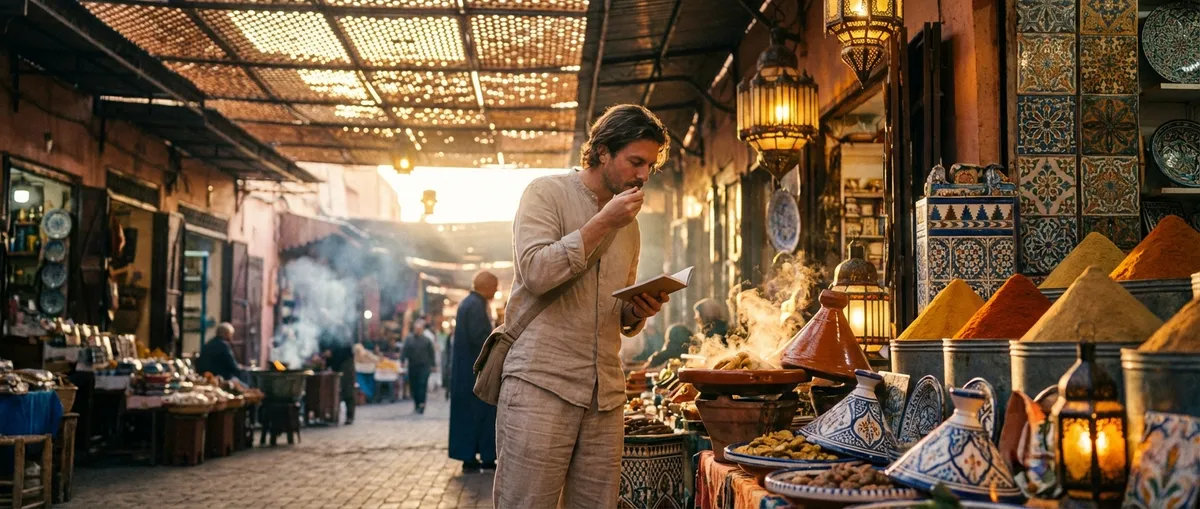
Travel isn’t just about where you go—it’s about what you taste along the way. If you’ve ever remembered a destination more for its street food than its skyline, this is your sign to start planning trips around what’s on the menu. From night markets to tiny bakeries tucked down side streets, food is one of the fastest, most delicious ways to understand a place.
This guide shows you how to turn any destination into a flavor-focused adventure, with practical tips you can use whether you’re heading to a capital city or a coastal village.
Why Food Is Your Shortcut to Understanding a Destination
Food is culture you can literally bite into. A single dish can tell you about migration, trade routes, climate, religion, and family traditions. Think of tacos in Mexico City, noodle soups in Hanoi, or tapas in Seville—each one is a story locals grew up with, not just something plated for visitors.
When you make food your compass, you naturally wander into neighborhoods beyond the main tourist strips. You’ll shop where locals shop, eat where families gather, and learn what people care about (and argue about!) when it comes to flavor. You also support small businesses—market vendors, family-run eateries, and independent producers—who are often the backbone of local life.
Food-focused travel doesn’t have to be expensive or fancy. A bowl from a market stall can be as meaningful as a reservation at a Michelin-starred restaurant. What matters is curiosity: asking what’s in the dish, how it’s made, and when locals eat it. That curiosity can turn a quick snack into the highlight of your day.
How to Choose a Destination Through Its Cuisine
Instead of picking a place first and then looking up what to eat, try flipping the script. Start with a cuisine you’re drawn to—maybe you’re obsessed with Thai curries, Greek salads, or Ethiopian injera—and see which regions are known for doing it best. Within one country, flavors can shift dramatically from region to region, so “Italy” becomes “Emilia-Romagna for pasta and cured meats” or “Puglia for seafood and olive oil.”
Once you’ve narrowed your options, look beyond big cities. Smaller towns and regional hubs often serve dishes closer to home cooking, with fewer “tourist menu” adaptations. For instance, if you love Japanese ramen, consider Fukuoka, not just Tokyo; if you’re into Spanish pintxos, look at San Sebastián, not only Barcelona.
Check seasonal factors before you lock in your dates. Some foods are strongly tied to harvests or festivals: truffle season in parts of Italy and France, cherry blossom treats in Japan, or fresh mango season in parts of Southeast Asia. Planning around seasonal produce can completely change your experience—and your photos.
Finally, consider your own comfort level. Are you excited about street food? Open-air markets? Experimental ingredients? Or do you prefer sit-down restaurants and tasting menus? There’s no wrong answer; your food-focused trip should match your sense of adventure.
Tip 1: Use Local-language Searches to Find Real Gems
One of the most powerful tricks for finding authentic spots is to search in the local language, even if you don’t speak it.
Start by grabbing a few key words and phrases: “best breakfast,” “traditional food,” “family-run restaurant,” or “market.” Use a translation tool to get them into the local language, then paste those phrases into map apps, review sites, or social platforms. Suddenly, you’re seeing places locals actually talk about, not just those optimized for tourists.
Look for:
- Recent reviews from local users
- Photos showing full tables and mixed-age crowds (families, groups of friends, older folks)
- Menus written primarily in the local language
Cross-check a few different platforms—maps, social media, and maybe a local food blog—to see which spots keep popping up. When the same hole-in-the-wall appears across multiple sources, you’ve likely found a winner.
Tip 2: Time Your Day Around Markets and Meal Rhythms
Every destination has its own eating rhythm, and you’ll enjoy the food more if you match it.
Start with markets. Morning markets are often where the most interesting food action happens: fresh bread coming out of ovens, fish arriving from the harbor, first batches of snacks being fried or grilled. Plan at least one morning with no fixed agenda beyond wandering a local market and trying whatever catches your eye.
Pay attention to:
- When locals eat main meals (11:30 vs. 2:00 pm vs. late at night)
- Days when markets or food streets are closed or quieter
- Special night markets or weekend-only food events
If locals eat dinner late, treat that as an opportunity: have a small snack at “local lunch time,” then use the late afternoon for exploring or resting before going out again. Building your sightseeing around meal rhythms means you’re more likely to find freshly cooked dishes and lively atmospheres instead of half-empty dining rooms.
Tip 3: Add One Food Experience You Have to Book in Advance
Leave space for spontaneity, but anchor your trip with at least one planned food experience that requires a reservation or pre-booking. It creates a memorable moment to look forward to and often gives you context for everything else you eat.
Consider:
- A cooking class with a market visit, where you learn how locals shop and cook
- A food tour in a specific neighborhood, led by a guide who can explain history and ingredients
- A special-occasion meal (like a tasting menu, historical restaurant, or rooftop spot with local dishes)
- A visit to a local producer—wineries, tea estates, olive mills, coffee farms, or cheese makers
When choosing, read what exactly is included: Do you get to taste widely? Are dietary needs respected? How big are the groups? Look for experiences that highlight smaller businesses rather than just hitting a city’s “Top 5” restaurants you could visit on your own.
This one pre-booked activity can give you insider tips from guides and hosts, which you can use for the rest of your stay—like where locals go after work or which bakeries sell out first each morning.
Tip 4: Learn Basic Food Phrases to Order With Confidence
You don’t need fluency to eat well, but a handful of food phrases can completely change how you’re treated and what you discover.
Before you arrive, learn how to say:
- “What do you recommend?”
- “What is this?” (for pointing in markets)
- “Not spicy / a little spicy / very spicy” (if relevant)
- “I don’t eat [meat / shellfish / dairy / nuts]”
- “Is this a local specialty?”
Keep these written in your notes app so you can show staff if pronunciation is tricky. People often appreciate the effort, and you may get off-menu suggestions or extra explanations about the dish.
If you have allergies or strict dietary needs, prepare a clear, translated card explaining them in the local language. Show this to restaurant staff before you order. It reduces stress for you and for them, and it’s more reliable than trying to improvise every time you sit down.
Tip 5: Balance Iconic Dishes With Everyday Eating
It’s tempting to chase only the “must-try” foods you see on social media, but everyday dishes are often where a destination’s real flavor lives.
Make a loose list: famous dishes you don’t want to miss, regional specialties you’re curious about, and “normal” meals locals eat regularly. In many places, a simple worker’s lunch menu, office-district café, or family-run neighborhood spot will teach you more about daily life than a viral restaurant that everyone’s lining up for.
Watch what locals order. If everyone at nearby tables is eating the same thing, ask a staff member what it is. Try breakfast in multiple places: what you eat in the morning (savory vs. sweet, quick vs. slow) says a lot about the culture.
Don’t be afraid to repeat a place if you love it. Going back a second time lets you try something new on the menu and often leads to more conversation with staff, who might start sharing personal favorites, local events, or hidden gems nearby.
Conclusion
Planning travel around food turns every day into a mini adventure: a morning at the market, an afternoon snack you stumble upon in a side street, a dinner that leaves you talking about flavors you’ve never had before. By letting local cuisine guide your choices—where you stay, when you explore, which neighborhoods you prioritize—you’ll come home with stories that go far beyond landmarks.
On your next trip, let your taste buds lead. Start with one dish you’re excited about, follow it to its home turf, and let each meal open the door to new corners of your destination.
Sources
- UNESCO – Intangible Cultural Heritage: Food-related traditions - Explores how food practices are tied to culture and heritage around the world
- World Food Travel Association - Defines food tourism and explains why culinary experiences are central to modern travel
- BBC Travel – Why food is the best way to understand a place - Discusses how cuisine reflects history, geography, and identity
- U.S. Department of State – Smart Traveler Tips - General planning and safety advice that’s useful when exploring food markets and neighborhoods
- Harvard T.H. Chan School of Public Health – Healthy Eating While Traveling - Guidance on staying healthy while enjoying food away from home
Key Takeaway
The most important thing to remember from this article is that this information can change how you think about Destinations.