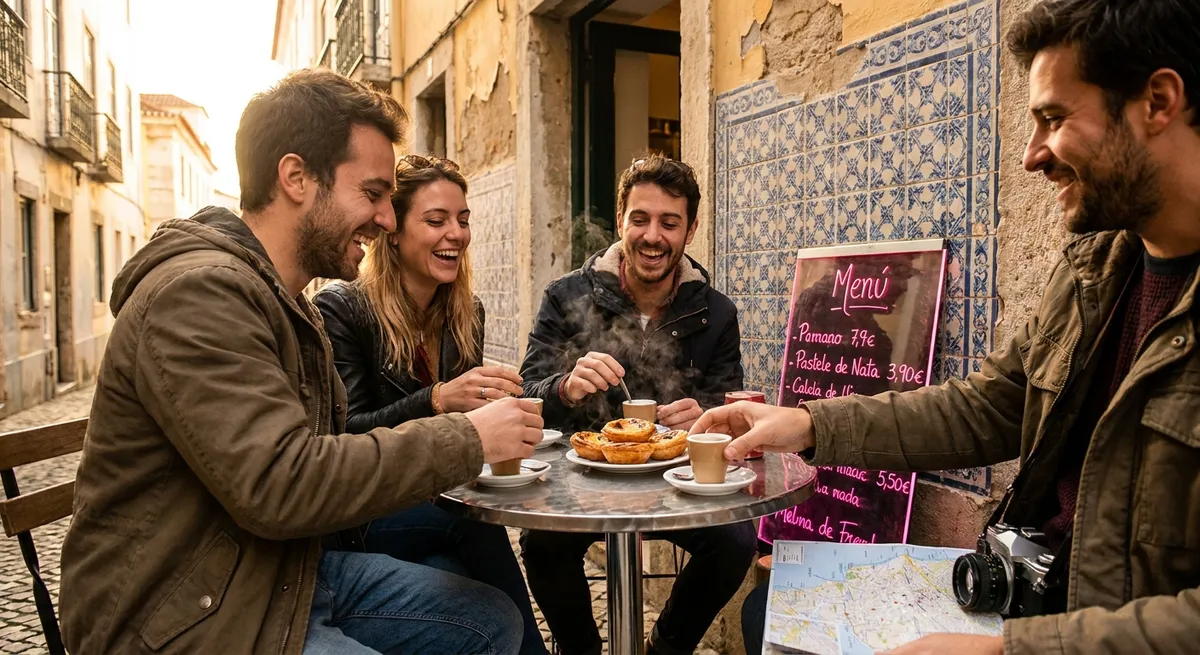
There’s a special kind of trip that doesn’t start with “Where should we go?” but with “What do we want to eat?” Whether it’s hand‑pulled noodles in a back alley, coastal oysters eaten steps from the sea, or a family‑run bakery that sells out by 10 a.m., food can be the compass that shapes your entire journey. Planning around flavor doesn’t just fill your stomach—it connects you to local culture, history, and people in a way few other experiences can.
This guide shows you how to turn your next getaway into a delicious, well‑planned food adventure—without needing a chef’s budget or a foodie following.
Why Food Makes the Best Travel Itinerary
Meals are more than “what’s for dinner” when you’re on the road—they’re often the doorway into what makes a place unique.
Regional dishes are shortcuts to understanding local history and geography. Think of how Neapolitan pizza reveals Naples’ access to the sea (anchovies), fertile volcanic soil (tomatoes), and centuries of culinary tradition. Street food stalls mirror a city’s rhythm: a crowded taco stand in Mexico City at midnight tells you as much about the city’s nightlife as any guidebook. Sitting in a neighborhood café shows you how locals start their day; a bustling market teaches you what’s seasonal, affordable, and beloved.
Food‑focused travel also naturally slows you down. Instead of racing between “must‑see” attractions, you linger in markets, chat with vendors, and follow local recommendations that weren’t on your original list. And unlike some bucket‑list sights, food experiences are repeatable—today’s pastry can be tomorrow’s comparison benchmark, and you’ll notice new details each time.
Choosing a Destination With Your Taste Buds First
Instead of picking a city and then hunting for food, flip the script: let flavors point you toward the map.
Start with what genuinely excites you. Love noodles? Cities like Tokyo, Bangkok, and Taipei become obvious contenders. Obsessed with wine and cheese? Think of regions like Bordeaux, Mendoza, or South Africa’s Cape Winelands. Fascinated by plant‑based cuisine? Look into cities with strong vegetarian traditions, like Chennai or Tel Aviv.
Use food as a filter, not a limit. Once you’ve named a dish or food type you’re curious about—ramen, tapas, mezze, barbecue—search where it’s deeply rooted rather than widely available. Local tourism boards, regional food blogs, and official city guides often highlight food trails, specialty regions, and seasonal events (like oyster festivals, truffle markets, or harvest celebrations).
Practical tip: Cross‑check food dreams with logistics. Check visa rules, typical travel costs, safety advisories, and seasonality. A city may be famous for its seafood, but if fishing slows during storm season, you might want to adjust your dates. Food is the star—but the supporting cast (weather, crowds, and budget) still matters.
Building a Food‑First Itinerary (That Still Feels Spontaneous)
Once you know where you’re headed, design your days around food anchors—key meals or experiences you don’t want to miss—and build everything else around them.
Start by mapping:
- Morning markets and bakeries for breakfast
- Popular lunch spots that locals rave about
- A few “destination dinners” that require reservations
- Street food areas for flexible, low‑pressure snacking
Plot these on an offline map alongside museums, parks, and neighborhoods you want to explore. You’ll quickly see natural clusters, like a historic district that’s walkable from a famous café and a beloved lunch spot. Plan sightseeing between meals, not the other way around—this keeps you energized and reduces backtracking.
Leave white space. Resist the urge to book every meal. Aim for 1–2 structured food experiences per day (like a specific restaurant or market visit) and keep the rest open for discoveries. A line of locals outside a tiny stall might tempt you more than a place you bookmarked months ago.
Practical Tip #1: Use “three‑source confirmation” for must‑try places.
If a spot appears in (1) local blogs or social media, (2) a trusted guide or food writer, and (3) reviews from recent travelers or residents, it’s probably worth your time. This helps you filter out hype and focus on enduring favorites.
Eating Like a Local Without Being That Tourist
The goal isn’t to pretend you’re a local—it’s to be a respectful, curious guest who participates in local food culture rather than just consuming it.
Watch first, then follow. When you enter a busy eatery and feel unsure, pause and observe. Do people seat themselves or wait to be placed? Are they paying at the counter or at the table? How are dishes being ordered—by pointing at a display, reading a menu, or choosing from set combos? Five minutes of people‑watching can save you confusion and awkwardness.
Learn a handful of food phrases in the local language:
- “What do you recommend?”
- “Is this spicy?”
- “I don’t eat meat / shellfish / dairy.”
- “Thank you, that was delicious!”
Even a clumsy attempt usually earns smiles and more generous help.
Practical Tip #2: Eat on the local schedule whenever possible.
In many places, meal times shape the entire experience. In Spain, arriving for dinner at 6 p.m. may mean empty restaurants and limited menus, while in Japan, some ramen shops or sushi counters sell out by late afternoon. Look up typical meal hours and try to sync your appetite with the local rhythm.
Navigating Street Food and Markets Confidently
Markets and street stalls are often where the most unforgettable food memories happen—but they can also feel intimidating, especially if you’re worried about hygiene or language barriers.
Scan for a few key signs of a good stall: a steady line of locals, high turnover (food isn’t sitting out for long), and visibly clean surfaces and utensils. Avoid anything that looks like it’s been sitting in the sun too long or isn’t stored properly chilled when it should be.
When in doubt, start with cooked food that’s served piping hot. Grilled skewers, stir‑fried noodles, steamed dumplings, and freshly fried snacks are usually safer first steps than raw salads or lukewarm dishes. Bottled or sealed drinks can be gentler on your stomach if you’re adjusting to new water sources.
Practical Tip #3: Follow the “one new thing per meal” rule.
To avoid overwhelming your system, especially early in the trip, try one new or adventurous item per meal and pair it with something simple or familiar. This keeps exploration fun while giving your stomach a chance to adjust.
Balancing Splurge Meals With Budget Bites
Food‑focused travel doesn’t have to mean constant expensive tasting menus. In many destinations, the most memorable meals are the cheapest: a perfect bowl of pho on a plastic stool, a bakery sandwich eaten on church steps, or a market stall curry packed in a paper bowl.
Decide ahead of time what you’re willing to really splurge on. Is it one multi‑course dinner from a well‑known chef? A seafood feast at the harbor? A wine tasting and paired meal in a vineyard? Plan those big spends early and budget the rest of your days around them.
Practical Tip #4: Make lunch your “fancy” meal.
Many higher‑end restaurants offer more affordable lunch menus with similar quality and technique as dinner, often with smaller but still satisfying portions. You get the full experience for a fraction of the price—and can balance the day with a light, casual dinner.
On other days, embrace markets, bakeries, and street food for most of your meals. You’ll often eat more like locals do, spend less, and taste a wider variety of dishes.
Staying Flexible With Diets, Allergies, and Food Preferences
Just because you’re gluten‑free, vegan, kosher, halal, or managing allergies doesn’t mean food travel is off the table—it just requires a little extra planning.
Research which destinations naturally align with your needs. Many traditional cuisines are already heavy on grains, vegetables, or legumes, or feature dairy‑light dishes. For example, much of traditional Japanese cuisine is naturally lactose‑free, while many Indian regions have long vegetarian traditions.
Before you go, print or save translation cards on your phone that clearly state your restrictions in the local language: “I am allergic to peanuts,” “I do not eat meat or fish,” or “This must not contain gluten or wheat.” Show these to servers or stall owners patiently and politely.
Practical Tip #5: Identify a few safe “go‑to” dishes early.
In your first day or two, find 2–3 local dishes that reliably fit your needs. Maybe it’s a veggie rice bowl, a specific kind of soup, or a grilled fish plate. Once you know these, you’ll always have a safe backup when menus feel overwhelming or translation apps struggle.
Capturing and Sharing Food Memories Without Missing the Moment
Food trips are irresistibly photogenic—but it’s easy to spend more time staging the shot than savoring the bite.
Take a quick photo, then put your phone down and focus on the sensory details: the smell of grilled meat smoke drifting through a night market, the crunch of a pastry that flakes everywhere, the quiet clink of cups in a tea house. Jot a sentence or two in your notes app about each memorable meal—what you ordered, where you were sitting, who you talked to. These small details bring your memories to life long after you’re home.
When you share on social media, think about stories over flexes. Instead of just posting “Look at this amazing pasta!”, add a line about the nonna who insisted you try the house wine, or the server who showed you how locals actually eat the dish. Your followers will feel more like they’re traveling alongside you rather than scrolling through a highlight reel.
Conclusion
Planning your trips around food doesn’t just fill an itinerary—it fills your travels with color, connection, and conversation. When you let flavor lead, you discover neighborhoods you might have skipped, meet people you never would have spoken to, and understand places from the inside out.
Pick a dish you’re curious about, trace it back to its home, and build your journey from there. Map your days around markets, cafés, and kitchens instead of only monuments and must‑see viewpoints. Stay curious, be respectful, keep a little flexibility in your plans, and you’ll find that the best souvenirs aren’t things you bring home—they’re the meals you’ll talk about for years.
Sources
- UNESCO – Intangible Cultural Heritage: Traditional Mexican Cuisine - Background on how food traditions are tied to culture and identity
- UNWTO – Gastronomy and Wine Tourism - Overview of how food and wine shape travel choices and local economies
- CDC – Food and Water Safety While Traveling - Practical health guidance for eating and drinking safely abroad
- U.S. Department of State – Country Information - Up‑to‑date country advisories and practical info to cross‑check when choosing destinations
- BBC Travel – Why food is the best way to understand a culture - Insightful discussion on how cuisine reflects history, tradition, and local life
Key Takeaway
The most important thing to remember from this article is that this information can change how you think about Destinations.