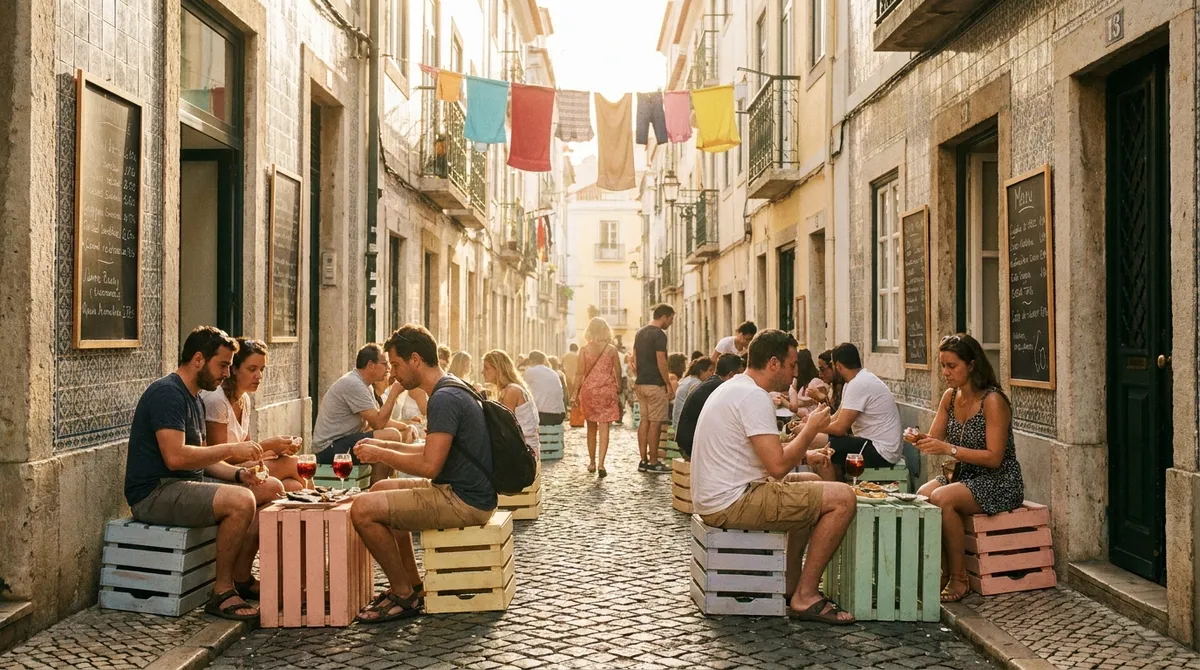
Travel isn’t just about ticking landmarks off a list—it’s about tasting a place, literally. From smoky street stalls to quiet neighborhood bakeries, food has a way of revealing a city’s history, culture, and daily rhythm in a single bite. For travelers who love to eat (or just love to learn through their senses), planning a trip around local flavors can turn any destination into an unforgettable, multi-course experience.
This guide is all about making your next getaway a delicious one: how to choose where to go, how to find truly local spots (not just tourist traps), and how to build meaningful memories around what’s on your plate.
Why Food Is the Most Underrated Travel Guide
When you follow the food in a destination, you’re not just eating well—you’re getting a shortcut into how people actually live. Markets show you what’s in season and what’s valued. Cafés reveal local routines. Family-run restaurants often tell generational stories through recipes.
In many places, traditional dishes are tied directly to geography and history: think seafood stews shaped by coastal access, mountain cheeses preserved for long winters, or spice blends that traveled via ancient trade routes. Choosing a destination with a strong food identity gives your trip a natural narrative—you might start with a dish you’ve always wanted to try (like ramen in Fukuoka or tapas in Seville) and build your days around where and how it’s made.
Food-focused travel also works for any budget. You can splurge on a tasting menu one night and live like a local at street stalls and markets the rest of the time. More than anything, culinary experiences are social: a shared table or cooking class creates instant conversation, even when you don’t share a language.
Finding Your Flavor Destination
Instead of picking a destination first and then figuring out what to eat there, try flipping the script: start with a cuisine, ingredient, or food experience you’re curious about, then research where it’s done best.
Look for regions rather than just cities—watch how “food maps” emerge when you zoom out. For example:
- Love coffee? Consider Medellín, Addis Ababa, or Hanoi.
- Obsessed with fresh pasta? Emilia-Romagna in Italy is a powerhouse.
- Curious about spice-forward cuisine? Kerala, Oaxaca, and Sichuan each have distinct, deep-rooted traditions.
Use travel guides, tourism boards, and local blogs to cross-check what a place is truly known for—beyond Instagram-famous spots. Pay attention to mentions of markets, food festivals, specialty products (like cheese, wine, tea, or chocolate), and regional dishes. These are strong indicators that food is woven into daily life, not just a side attraction.
Also factor in seasonality. Some destinations shine for specific harvests or festivals—think truffle season in parts of Europe, cherry blossom snacks in Japan, or grape harvests in wine regions. Aligning your trip with these windows can turn “just a vacation” into a once-a-year (or once-in-a-lifetime) experience.
Practical Tip #1: Build an “Eatinerary,” Not Just an Itinerary
Instead of treating meals as filler between attractions, make them structural pillars of your day. Start your planning with three anchors: breakfast, a mid-day market or snack, and dinner. Then place museums, walks, and sights around these.
A simple way to do this:
- Choose a neighborhood café or bakery near where you’re staying for your first morning.
- Add one market or food hall per day—great for lunch, snacks, or just exploring.
- Book one “special” meal (a recommended local restaurant, food truck, or tasting menu) for every two or three days.
Keep your schedule flexible: build in time to wander and follow your nose. If you see a line of locals at a tiny spot, that could be your new lunch plan. By centering your days around food, you avoid scrambling for last-minute options and give your trip a natural rhythm that feels both structured and spontaneous.
Practical Tip #2: Use Smart Research to Avoid Tourist Traps
Finding truly local food starts before you land. Mix your sources so you’re not relying on just one type of recommendation.
What works well:
- Search in the local language (using translation tools) for blogs and review sites.
- Check social media geotags for specific neighborhoods, markets, or dishes, and see where locals are posting from.
- Look at a few different review platforms and sort by “most recent” instead of “most popular” to catch currently great spots.
Once on the ground, pay attention to context: places with handwritten menus, seasonal dishes, and mostly local-language signage are often more authentic than restaurants with huge picture menus and aggressive street promoters. Ask hotel staff, hosts, or guides where they eat on their days off, not just where they send tourists.
A little pre-trip research plus on-the-ground curiosity helps you find those memorable, low-key places where you’ll want to return every day—and tell everyone about when you get home.
Practical Tip #3: Book One Hands-On Experience with Locals
Tasting is great; learning is better. Carve out time for one immersive food experience that connects you directly with people who live there.
Options to look for:
- Market-to-table cooking classes, where you shop for ingredients and then cook.
- Farm, vineyard, or plantation visits that include a tour and tasting.
- Street food tours with small groups led by local guides.
- Home-hosted dinners or supper clubs run by residents.
Choose experiences capped at small group sizes to keep it intimate and ask lots of questions: Why is this ingredient important here? How has this dish changed over time? What do people cook on ordinary days versus celebrations?
That one deep-dive experience often becomes the highlight of a trip—and it gives you stories that go far beyond “here’s what my plate looked like.”
Practical Tip #4: Plan for Dietary Needs Without Missing Out
Food-focused travel is absolutely possible with dietary restrictions—you just need a bit of extra preparation. Start by researching staple ingredients used in the local cuisine (for example, soy sauce in East Asia for gluten sensitivity, or ghee and paneer in parts of India for dairy).
Before you go:
- Learn a few key phrases in the local language explaining your needs (gluten-free, vegetarian, nut allergy, etc.).
- Save or print allergy/diet cards from reputable sources so you can show staff clearly.
- Identify a few “safe base dishes” common in the region (think vegetable-based curries, grilled fish, or rice-and-bean combos) that you can fall back on.
On the ground, favor places where food is cooked to order and menus are not overly complex. Markets and simple eateries often allow for more customization than large, touristy restaurants. With a little groundwork, you can fully enjoy the local food scene while keeping your health front and center.
Practical Tip #5: Capture Food Memories Beyond the “Pretty Plate” Shot
You’ll be tempted to photograph every gorgeous dish, but some of the best food memories come from everything around the plate. Instead of just snapping your meal and moving on, think like a storyteller.
Try capturing:
- The menu or chalkboard, especially if it’s in the local language.
- The exterior of the restaurant or stall, including its street or surroundings.
- Short notes on how things tasted, who you were with, and what you learned.
- Sounds and motion: a quick video of noodles being pulled, coffee being poured, or bread being baked.
Consider keeping a small “food field notebook” or a note on your phone where you log dish names, locations, and standout flavors. Months later, those little details make your memories vivid—and make it much easier to share recommendations that friends and followers can actually use.
Conclusion
Letting food lead the way turns any destination into an immersive, bite-by-bite adventure. When you plan around flavors instead of only famous sights, you discover neighborhoods you might have skipped, meet people you’d never otherwise encounter, and carry home stories that smell like spices and sound like clinking glasses.
Whether you’re planning a weekend city break or a longer journey, try designing your next trip around what you most want to taste—and let every meal guide you deeper into the place you’re exploring. Your photos, your stories, and your memories will all be richer for it.
Sources
- UN World Tourism Organization – Gastronomy and Wine Tourism - Overview of how food and wine tourism shape travel experiences and local economies
- BBC Travel – Why Food Is the Best Way to Explore a City - Explores how culinary experiences reveal local culture and identity
- National Geographic – The World’s Best Food Cities - Highlights destinations where food is central to the travel experience
- Centers for Disease Control and Prevention – Food and Water Safety When Traveling - Practical health advice for eating safely abroad
- Harvard T.H. Chan School of Public Health – Cultural Diets - Background on how regional food traditions connect to culture and health
Key Takeaway
The most important thing to remember from this article is that this information can change how you think about Destinations.