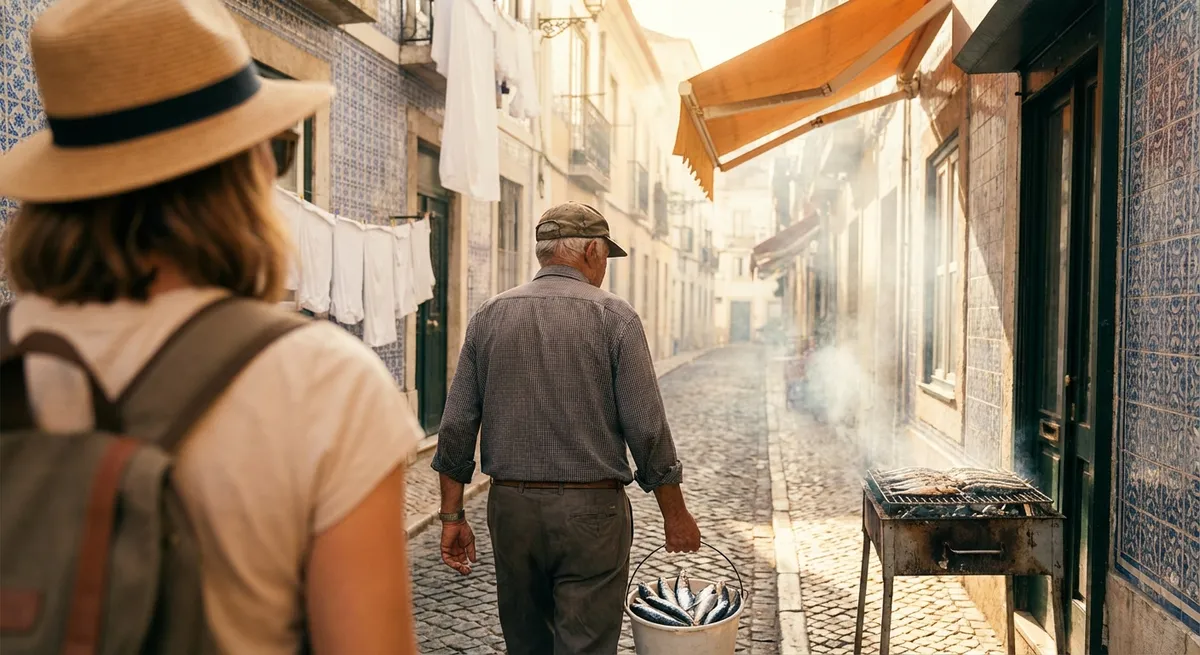
The best way to understand a place isn’t from a bus window or a hotel balcony—it’s from the table. When you follow the flavor, every destination turns into a story you can taste. From night markets in Taipei to family-run trattorie in Rome, food opens doors, starts conversations, and gives you a reason to wander beyond the main square. This guide shows you how to build more meaningful trips around what you eat, with practical tips you can use whether you’re headed to a nearby city or across the world.
Why Food Is Your Shortcut to the Heart of a Place
Food is one of the easiest—and most enjoyable—ways to connect with local culture quickly. Recipes often carry centuries of history, shaped by trade routes, climate, migration, and religion. When you taste a bowl of pho in Hanoi or shakshouka in Tel Aviv, you’re not just eating; you’re stepping into a living tradition.
Culinary experiences also cut through language barriers. Sitting at a crowded communal table or standing shoulder to shoulder at a street stall gives you permission to observe local habits: how long people linger over coffee, what time families eat dinner, how they celebrate small occasions. You start to notice details other travelers might miss, like regional variations in a dish or the way markets shift from morning produce to evening snacks.
Food-led travel can also be surprisingly budget-friendly. A bakery line full of locals, a bustling market, or a tiny lunch counter can deliver some of your most memorable meals at a fraction of sit-down restaurant prices. Plus, food gives structure to your days. Instead of “What should we see today?” you start with “Where should we eat?” and let the neighborhood unfold around that answer.
Crafting a Destination Wish List, One Dish at a Time
Instead of choosing a destination purely by sights, try using signature dishes or food traditions as your compass. Maybe you’ve always wanted real Neapolitan pizza in Naples, dim sum in Hong Kong, tacos al pastor in Mexico City, or fresh seafood in Lisbon. Let one iconic flavor draw you in, then build your itinerary around the neighborhoods and experiences connected to that food.
Research the food story of your potential destinations. Is there a famous morning market? A regional wine route? A festival celebrating a harvest or specialty ingredient? Locations known for rich culinary heritage—like Lyon for classic French cuisine, Kyoto for kaiseki, Oaxaca for mole, or Istanbul for its historic food markets—often have walkable districts where you can explore on foot, sampling and sightseeing at the same time.
This approach also helps you uncover lesser-known regions. Instead of only thinking “Italy,” you might discover Emilia-Romagna for its balsamic vinegar, prosciutto, and Parmigiano Reggiano; or beyond “Japan” to Hokkaido for seafood and dairy or Fukuoka for ramen. By chasing specific flavors, you naturally spread out beyond the usual tourist hotspots and find more relaxed, authentic corners of each country.
How to Find Authentic Food Spots Without Overthinking It
The internet is packed with restaurant lists and “must eat here” posts, but a little strategy helps you avoid tourist traps and decision fatigue.
Start with Google Maps, local blogs, and a few trusted sources, but don’t lock yourself into a rigid food schedule. Save a handful of options in each neighborhood you’ll visit, then be flexible. When you arrive, look around: Are most customers locals? Does the menu change with the season? Is there a short, focused list of dishes instead of a giant book of everything? These are often promising signs.
Ask people whose tastes you trust on the ground: baristas, bartenders, shop owners, or tour guides. Instead of “Where’s the best restaurant?” try “Where do you go for a quick lunch?” or “Where do you take friends from out of town?” Those questions usually lead to places with character, solid food, and fair prices.
Don’t underestimate markets and food halls. From Barcelona’s Mercat de Sant Josep (La Boqueria) to Singapore’s hawker centers, these spots offer concentrated local flavor in one place. They’re ideal for solo travelers or anyone who wants to sample multiple dishes in one outing without a big commitment.
Five Practical Food-First Tips for Smarter Trips
1. Time Your Day Around Local Meal Rhythms
Many countries eat on different schedules than you’re used to. In Spain, dinner can start after 9 p.m.; in many parts of Asia, breakfast is when the best street food appears; in some European cities, lunch is the main meal and many restaurants close in mid-afternoon.
Before you go, look up typical meal times at your destination and plan your sightseeing around them. Book popular lunch or dinner spots in advance, but leave space to enjoy spontaneous snacks when you stumble on something tempting. This reduces frustration (“Why is everything closed?”) and helps you experience the city when it’s actually buzzing with locals.
2. Learn a Handful of Food Phrases in the Local Language
You don’t need to be fluent, but a few key phrases can transform your dining experiences. Focus on: “I’m allergic to…,” “no [ingredient], please,” “spicy / not spicy,” “recommendation,” “today’s special,” “to go,” and “thank you—it was delicious.”
Having these ready on your phone or in a small notebook makes ordering smoother and safer, especially if you have dietary restrictions. It also shows respect and often invites friendlier service, plus the occasional extra tip or off-menu suggestion from your server.
3. Use Food Tours as a First-Night Orientation
A well-reviewed food tour on your first or second night can be a powerful introduction to a destination. You’ll sample several dishes, learn how locals actually eat them, discover neighborhoods you may not have found on your own, and get practical intel on what’s worth returning to.
Look for small-group tours that emphasize local-owned stops and explain cultural context, not just “here’s your next bite.” After the tour, ask your guide where they personally eat on days off. Use those recommendations to shape the rest of your stay instead of relying only on global review platforms.
4. Balance Big-Name Spots with Everyday Eats
It’s fun to try one or two hyped restaurants or famous bakeries, but your most satisfying memories often come from ordinary places. Aim for a mix: maybe a buzzy reservation one night, a market stall lunch the next day, and a neighborhood bakery breakfast in between.
To keep costs in check, consider making lunch your “splurge” meal when prices are lower and set menus are common. Then enjoy a lighter dinner from street food, a picnic, or casual bars and cafés. This balance lets you explore more widely without burning through your budget.
5. Turn Markets into Portable Picnics
Visiting a market is a classic travel move; turning it into a full picnic takes it to the next level. Pick up bread, cheese, fruit, cured meats, or local snacks, then find a park, waterfront, or scenic overlook to enjoy your spread. It’s easy, budget-friendly, and incredibly atmospheric.
This works particularly well in destinations with strong market culture—think Paris, Florence, Tokyo, or Mexico City—but you can adapt it almost anywhere. If your accommodation has a kitchenette, markets also allow you to cook one simple meal during your trip, giving you a deeper appreciation for local ingredients and how they’re used.
Navigating Food Safely and Respectfully
Exploring a destination through food doesn’t mean ignoring your health or values. Pay attention to basic food safety: choose busy spots with high turnover, drink bottled or treated water where recommended, and be cautious with raw foods if your stomach is sensitive. Street food can be perfectly safe when prepared fresh and in front of you; watch where locals line up and follow their lead.
For dietary restrictions or preferences—vegetarian, vegan, halal, kosher, gluten-free—research how they’re handled locally. Some destinations have thriving plant-based or specialty food scenes; others may require more planning. Apps, local forums, and regional blogs can point you toward reliable options so you’re not stuck eating the same thing every day.
Cultural respect is just as important. In some places, refusing food can be seen as impolite; in others, leaving a little on your plate is normal. Learn basic table manners: how to tip (or not), when to share plates, whether it’s okay to eat while walking, and any local taboos. Being curious, observant, and open-minded usually earns you kindness and patience in return.
Bringing the Destination Home Through Your Kitchen
The trip doesn’t have to end when your plane lands. Food is one of the easiest souvenirs to recreate at home, keeping your destination alive in your daily routine. Consider taking a cooking class while you travel so you can learn techniques you’ll realistically use again: making fresh pasta, rolling sushi, mixing spice blends, or assembling mezze, for example.
When you shop, prioritize items that travel well and are allowed through customs: spices, teas, coffee, dried chilies, packaged sweets, or specialty oils and vinegars. Check your home country’s import guidelines to avoid losing purchases at the border.
Once you’re home, re-create one dish from your trip and invite friends or family over. Pair it with stories and photos from the place you discovered it. This turns your travel memories into something you can share—and often inspires your next destination.
Conclusion
Letting food lead your travels doesn’t mean spending all day at restaurants. It means using flavor as a thread that ties together neighborhoods, markets, traditions, and people. When you time your days around local meal rhythms, learn a few key phrases, join an early food tour, balance special-occasion spots with everyday eats, and turn markets into picnics, any destination becomes richer, more approachable, and more memorable.
Next time you’re planning a trip, start with a dish you can’t stop thinking about and ask a simple question: Where in the world does this taste come alive? Follow that flavor—and let the rest of the journey build around it.
Sources
- UNESCO: Intangible Cultural Heritage – Gastronomic Traditions - Overview of food and culinary practices recognized as cultural heritage around the world
- UN World Tourism Organization (UNWTO): Tourism and Culture Synergies - Explores how culture, including gastronomy, shapes tourism experiences
- U.S. Department of State – Country Information - Provides country-specific guidance, including health, customs, and local practices useful for food-focused travel
- Centers for Disease Control and Prevention (CDC) – Food and Water Safety While Traveling - Practical advice on staying healthy when sampling local cuisine abroad
- BBC Travel – The Rise of Culinary Tourism - Insight into how food is increasingly central to modern travel planning and experiences
Key Takeaway
The most important thing to remember from this article is that this information can change how you think about Destinations.