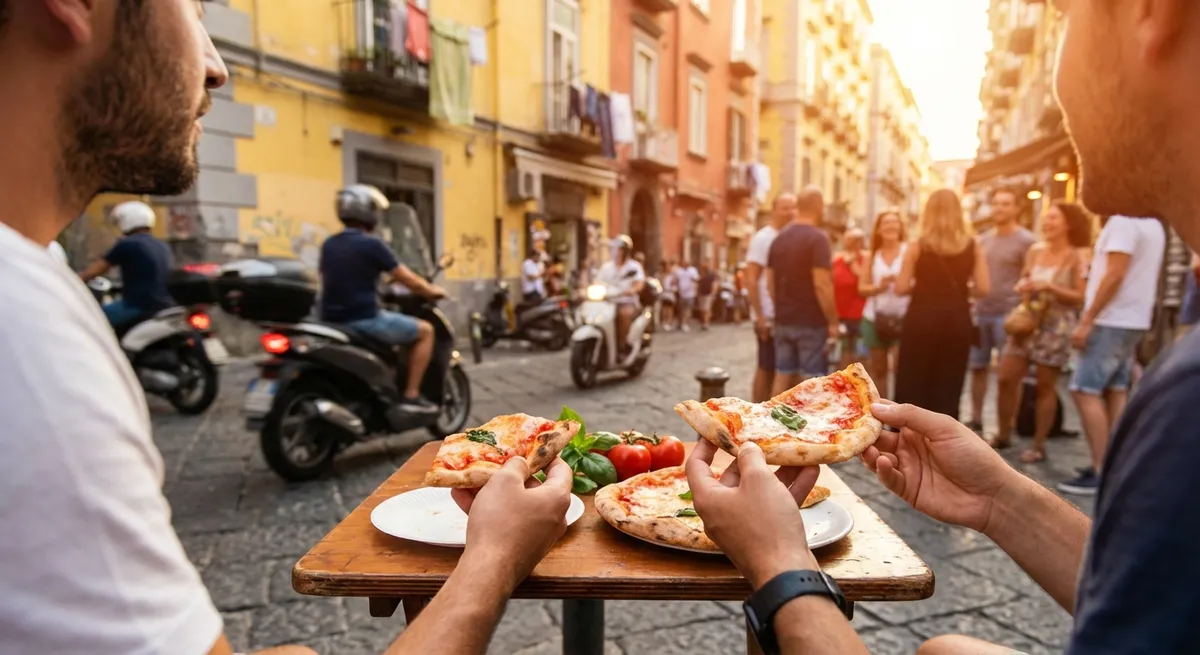
Travel plans don’t have to start with a map or a bucket list—they can start with a craving. Building your itinerary around food is one of the most rewarding ways to explore a destination: you’ll discover neighborhoods you’d never otherwise visit, connect with locals over shared dishes, and walk away with memories that are deliciously hard to forget. This guide will help you turn any trip into a flavor‑focused adventure, with practical, easy-to-use tips you can put into action right away.
Let the Local Plate Set Your Destination
Instead of picking a city first and then asking, “What do people eat there?”, flip the script: start with the food you’re curious about and trace it back to its roots.
Maybe you’ve always wanted to try authentic Neapolitan pizza, Tokyo’s ramen alleys, Sichuan hotpot in Chengdu, or New Orleans’ gumbo. Use that dish as your anchor and research where it’s traditionally from, how it’s prepared locally, and how seasons impact the ingredients. This approach naturally steers you away from generic tourist zones and into markets, side streets, and family-run spots that reveal real daily life.
You’ll also discover regional differences within a single country: tacos in Mexico City differ from those in Oaxaca; pasta in Rome isn’t like what you’ll eat in Bologna. Let the plate guide not just which country you visit, but which region and which neighborhood. This mindset shift turns food from a vacation “extra” into the heart of your itinerary.
Practical Tip #1: Use Maps Like a Local Food Radar
Create a custom “food-first” map before you go:
- Open Google Maps or Apple Maps and start a new list just for your trip.
- Search for phrases like “market,” “street food,” “food hall,” and “bakery,” plus the local word (e.g., “mercado,” “boulangerie,” “izakaya”).
- Save any spots with lots of local-language reviews, not just English ones—that’s usually a hint locals actually eat there.
- Cluster your pins by area. Then plan your sightseeing around those clusters so you’re never far from a great bite.
This simple prep step prevents the classic “I’m starving, let’s just eat anywhere” trap and replaces it with confident, curiosity-driven exploring.
Time Your Trip to the Food Calendar
Every destination has its own culinary calendar—harvests, festivals, fishing seasons, and holiday feasts. Aligning your trip dates with these moments can transform a normal visit into a once-in-a-year experience.
Think truffle season in Italy’s Piedmont region, cherry blossom snacks in Japan, oyster season in France, or Diwali sweets in India. Even within one city, certain dishes might only appear during specific months or cultural celebrations. Researching these rhythms helps you avoid missing the very thing you traveled to taste.
Food festivals and seasonal markets are also efficient “one-stop tasting shops,” letting you sample a huge range of flavors in a single afternoon, often with live music and cultural performances layered in.
Practical Tip #2: Search Festivals and Seasonal Foods Before Booking
Before locking in flights:
- Google “[destination] food festival,” “[destination] harvest season,” or “[dish] season.”
- Check official tourism websites and local city calendars for event dates and details.
- Look for recurring annual events (like seafood festivals, chocolate fairs, or wine harvests) and note if they fall midweek or weekend.
If your schedule is flexible, shift your dates a little to land during a major food celebration or market season. That small adjustment can completely elevate your experience for the same flight price.
Build Your Day Around Markets and Neighborhood Food Walks
Markets are the engine rooms of local food culture—where ingredients, stories, and people collide. Whether it’s a sprawling outdoor bazaar or a compact indoor hall, starting your day at a market gives you an instant crash course in what a place really eats.
Stroll through with an open mind: sample fruits you don’t recognize, buy a snack from a stall with a long line, or ask vendors about their favorite way to prepare what they sell. Markets often sit at the heart of older neighborhoods, meaning you can naturally transition from shopping to wandering nearby streets and cafes.
If you prefer structure or want insider context, a guided food walk is a powerful way to shortcut your learning curve. A good guide will introduce you to tiny spots you’d never notice, help with ordering, and explain the stories behind each dish.
Practical Tip #3: Make Markets Your Morning “Basecamp”
For at least one or two days:
- Start your morning at a major market or food hall instead of a hotel breakfast.
- Grab a light first snack—like a pastry, juice, or small plate—then walk the area slowly.
- Use the market as your navigation anchor: explore nearby streets, then circle back for an early lunch.
This rhythm keeps you close to great food, minimizes backtracking, and often leads to spontaneous discoveries like hidden courtyards, side-street bakeries, or tiny coffee bars tucked behind market stalls.
Order Confidently and Respectfully in Any Food Culture
One of the biggest barriers to enjoying local food is the fear of ordering “wrong” or offending someone. But most food cultures are remarkably welcoming if you show curiosity and respect.
Instead of hunting for the “safest” or most tourist-friendly dish, consider asking staff directly for what’s popular or seasonal. Pointing politely at what others are eating is perfectly acceptable in many informal spots. Learning a short set of food-related phrases in the local language can also transform the experience from awkward to delightful.
Being aware of a few basic local dining customs—like whether to share plates, how to tip, or what’s considered polite at the table—will help you feel more at ease and open to trying unfamiliar dishes.
Practical Tip #4: Create a Mini “Food Phrase” Cheat Sheet
Before you go, write down (or save on your phone) these phrases in the local language:
- “What do you recommend?”
- “What is the most typical dish here?”
- “Is this spicy?”
- “I don’t eat [ingredient].” (e.g., pork, nuts, shellfish)
- “Thank you, it was delicious.”
Practice saying them out loud a few times. Even if your pronunciation isn’t perfect, the effort often earns smiles, better recommendations, and far richer interactions than sticking to English alone.
Capture Food Memories You’ll Actually Revisit
You don’t need to be a professional food photographer to document your culinary adventures in a meaningful way. The goal is not just “Instagrammable” shots but memories you’ll enjoy revisiting and possibly cooking from later.
Photos of menus, ingredients, stall signs, and the surrounding street can be just as useful as the dish itself. Short notes about what you liked (or didn’t) help you reconstruct the experience when you’re home and trying to find or recreate something similar.
You’ll also build a trove of tips to share with friends, family, and fellow travelers—recommendations grounded in real experience, not just algorithms or top-10 lists.
Practical Tip #5: Use a Simple “Eat & Remember” System
During your trip:
- Snap a quick photo of the restaurant sign, menu, and dish.
- Immediately add a one-line note in your phone: what you ordered and how it tasted (“crispy, smoky, slightly sweet,” etc.).
- Tag the location or save it in a map list called “Would Eat Again.”
Back home, you’ll have a ready-made “food diary” you can use to plan future trips, search for similar spots in your own city, or simply relive those standout meals.
Conclusion
Designing trips around food isn’t just about eating well—it’s about experiencing a destination through the flavors, people, and stories that shape daily life. When you let your cravings pick your city, time your travels to seasonal eats, start your days in markets, learn to order with confidence, and intentionally capture your culinary memories, every journey becomes a deeper, more delicious adventure.
The next time you feel the urge to travel, ask yourself not “Where should I go?” but “What do I want to taste?” Let that answer lead you—and follow the flavor all the way to your next favorite destination.
Sources
- UNESCO – Intangible Cultural Heritage: Traditional Food Practices - Overview of food-related cultural traditions and listed practices around the world
- National Geographic – World Food Travel Guides - Articles and guides on culinary-focused travel in various destinations
- Japan National Tourism Organization – Food & Drink - Example of an official tourism board highlighting local food culture and experiences
- Italy National Tourist Board – Food & Wine - Official resource illustrating how regional cuisines shape Italian travel
- BBC Travel – Food & Drink Features - In-depth stories on global cuisines, markets, and culinary traditions
Key Takeaway
The most important thing to remember from this article is that this information can change how you think about Destinations.