Travel isn’t just about seeing places—it’s about arriving at the right place at the right moment. Planning your trips around local festivals and cultural events can turn a regular vacation into a story you’ll still be telling years from now. From lantern-filled skies in Asia to music that shakes European city streets, events can guide you to destinations you’d never have considered—and show you their most vibrant side.
This guide will help you pick destinations by their festivals, avoid common headaches, and build an itinerary that feels electric instead of exhausting.
Why Festivals Make Destinations Unforgettable
Festivals compress a destination’s culture into a few intense days: music, food, rituals, traditions, and community all happening at once. You’re not just observing—you’re stepping into the local calendar.
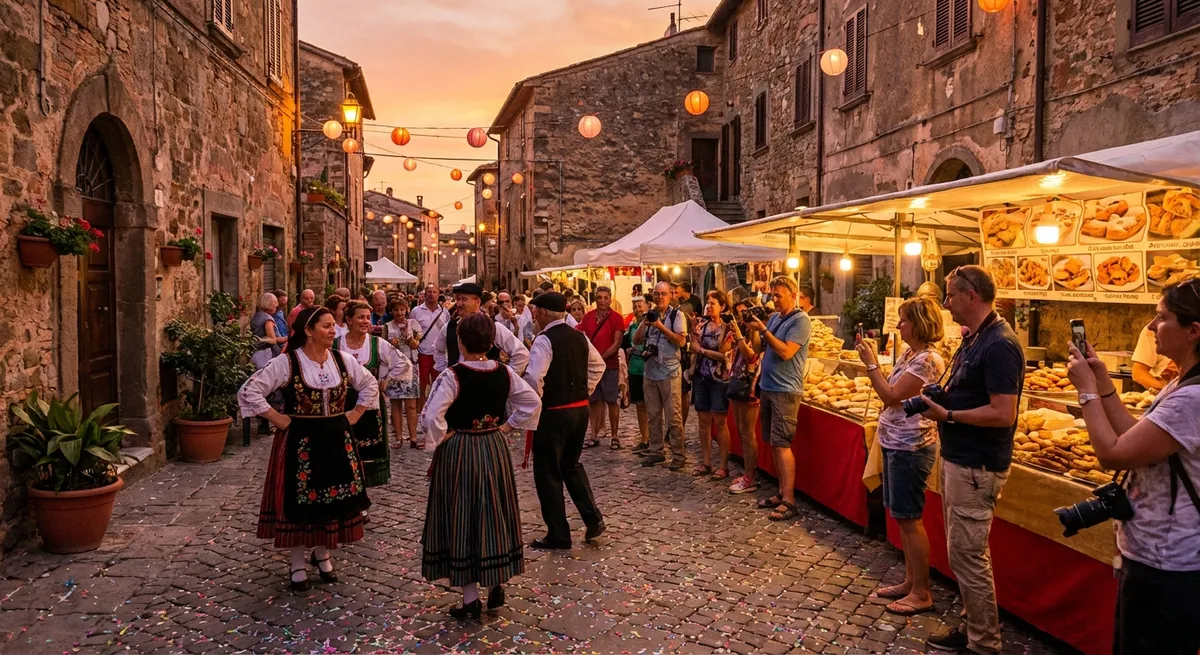
During big celebrations, cities transform. Streets close to cars and open to parades. Markets stay buzzing late into the night. Historic squares that feel quiet in low season suddenly turn into living rooms for the whole town. Even small villages can feel like the center of the world for one weekend a year.
Linking your destination choice to these moments does a few powerful things:
- It gives your trip a natural storyline and focus.
- It pushes you beyond generic “top 10 sights” and into real-life experiences.
- It often reveals traditions that don’t show up in standard guidebooks.
- It connects you with locals who are already in a welcoming, celebratory mood.
The key is to be intentional: treat the festival as the anchor of your trip, then build everything else around it.
Tip 1: Start With the Festival, Then Choose the Destination
Instead of picking a country first and seeing “what’s on,” flip the script: pick a type of celebration, then let that guide you to a destination.
Ask yourself:
- Do you want music and nightlife, or quiet rituals and candlelight?
- Are you happier dancing in the streets or watching from a calm viewpoint?
- Do you prefer food-focused festivals, religious holidays, or big global events like Carnival?
Once you know the vibe you’re after, explore destinations that match:
- Music & arts: Look at festival calendars in places like Barcelona, Berlin, or Austin. Many cities host annual music, film, or arts events that reshape the whole atmosphere for a week or two.
- Traditional & religious festivals: Think of events such as Diwali in India, Holy Week (Semana Santa) in Spain or Latin America, or Lunar New Year celebrations in major Asian cities and Chinatowns around the world.
- Seasonal celebrations: Harvest festivals, cherry blossom viewing, and winter light festivals can guide you to rural regions you might otherwise miss.
Anchor your trip on the festival dates, then expand outward: arrive a couple of days early to settle in, and stay at least a day or two after to see the destination in its “normal” rhythm. That contrast is often just as memorable as the event itself.
Tip 2: Book Like a Local Would—Far Earlier Than You Think
Big festivals turn even quiet towns into high-demand hotspots. Rooms, trains, and flights that are wide open a month before can sell out completely a week ahead.
To avoid spending half your budget on last-minute rooms:
- Check last year’s dates: Most festivals operate on a predictable schedule (same week or month each year). If this year’s dates aren’t announced yet, look at last year’s pattern and plan around that window.
- Book accommodation first: Once you have a likely date range, lock in somewhere to sleep. Flexible cancellation policies let you adjust later if official dates shift slightly.
- Consider second-choice locations: In very popular destinations, look at a neighboring town or suburb with good transport links. You might pay less, sleep better, and enjoy a calmer base while still making it into the heart of the action.
- Don’t forget internal transport: Trains, buses, and even inter-island ferries can sell out around big holidays. Reserve your seats early, especially in regions where everyone travels home for family celebrations.
Think like a local who returns every year: they know things fill up fast. If a city tells you, “book six months ahead,” believe it.
Tip 3: Plan Your Days Around Crowds, Not Just Sights
During festivals, the standard “see the top attractions by midday” playbook can fall apart. Streets may close unexpectedly, popular monuments might host special ceremonies, and museums can shift their opening hours.
Instead of fighting the chaos, use it:
- Start early, finish late: Mornings are often calm even on the busiest days. Visit major churches, viewpoints, or historic sites right when they open. Save wandering, people-watching, and food stalls for the afternoon and evening.
- Mix “anchor events” with flex time: Identify 1–2 festival moments you really don’t want to miss (a parade, fireworks, a main concert) and protect time around them. Leave the rest of the day open so you can follow unexpected music, side streets, or local invitations.
- Map “escape zones”: Find a couple of calmer parks, waterfronts, or quieter neighborhoods where you can step away from the noise. Knowing exactly where to retreat makes the crowds feel exciting instead of overwhelming.
- Use official apps and maps: Many cities now publish festival apps or interactive maps with event times, routes, and last-minute changes. These can help you avoid road closures and discover smaller events you might otherwise miss.
Treat the whole city like an evolving stage: you’re not just “checking off” attractions; you’re moving through scenes.
Tip 4: Learn the Local Etiquette Before You Join the Party
Festivals can be joyful, but many have deep spiritual or historical roots. A little cultural homework turns you from an outsider with a camera into a respectful guest.
Before you go, find out:
- What the festival actually commemorates: Understanding the story changes how you see the rituals. A procession looks very different when you know whose history is being honored.
- What to wear (and what to avoid): Some events welcome costumes; others expect modest dress, covered shoulders, or specific colors. Many religious sites require covered knees and shoulders, and you may need to remove shoes.
- How to behave during processions and ceremonies: Is it okay to clap? To take photos? To stand on certain steps or platforms? When in doubt, watch what locals do and follow their lead.
- How alcohol fits in (or doesn’t): Some celebrations are dry and family-focused; others center on nightlife and bars. Knowing which is which keeps you from unintentionally causing offense.
That small investment in understanding doesn’t just prevent awkward moments—it deepens your experience. You’re no longer just watching; you’re participating with intention.
Tip 5: Build a Festival-Ready Packing Strategy
Festivals change what “prepared” looks like. Beyond your usual travel essentials, a few small items can dramatically improve your comfort and flexibility.
Consider adding:
- A lightweight day bag you can wear in front: Crowds and pickpockets go together. A crossbody or small backpack you can swing to your chest keeps your essentials safer and more accessible.
- Layered clothing and a compact rain shell: Outdoor events can stretch from sun to chilly evening in a single day. Layers let you adjust without returning to your accommodation.
- Portable power and offline maps: Your phone will work overtime—photos, navigation, tickets, messaging. A small power bank and downloaded maps keep you from getting stuck without directions or contact info.
- Earplugs and a sleep mask: Street noise, late-night music, or fireworks can last longer than you do. Even in a loud area, good earplugs can buy you real rest.
- Cash in small denominations: Street food, temporary stands, and local transport may be cash-only. Smaller bills often speed up lines and avoid “no change” frustration.
Think of your gear as your “festival toolkit.” The goal isn’t more stuff—it’s a few smart items that make long, unpredictable days feel easy instead of draining.
Conclusion
Letting festivals guide your choice of destination turns travel into a hunt for the world’s best moments—those rare days when an entire city or village feels lit from within. When you build your trip around local celebrations, you don’t just see a place; you feel its heartbeat.
By starting with the event, booking early like a local, shaping your days around crowds, learning the etiquette, and packing with festivals in mind, you set yourself up for trips that are vivid, surprising, and deeply memorable.
The dates are already on someone’s calendar. The question is: which celebration will you show up for next?
Sources
- UNESCO – Intangible Cultural Heritage Lists - Overview of globally recognized cultural traditions and festivals that can inspire destination choices
- U.S. Department of State – Country Information - Official guidance on local laws, holidays, and safety considerations by destination
- Lonely Planet – Festivals and Events Travel Inspiration - Curated information on notable festivals worldwide and how they shape travel experiences
- BBC Travel – Culture & Festivals Coverage - In-depth stories exploring the cultural significance of festivals and celebrations in different destinations
- National Geographic Travel – Cultural Experiences - Articles highlighting immersive cultural and festival-based travel around the world
Key Takeaway
The most important thing to remember from this article is that this information can change how you think about Destinations.