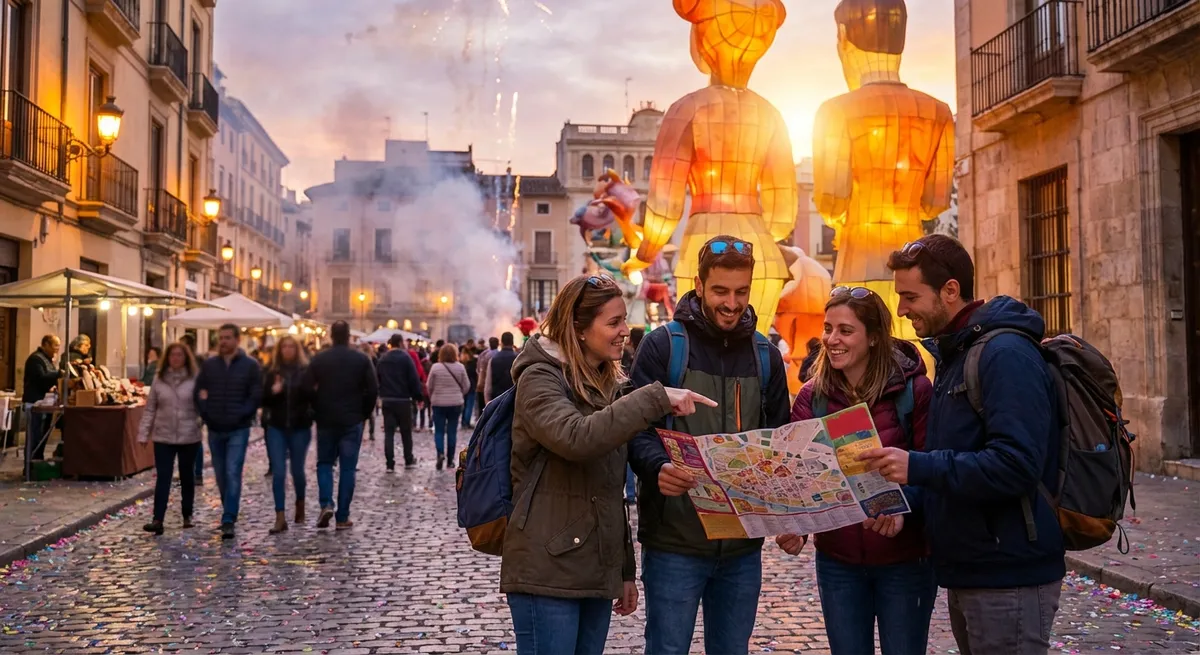
Traveling for “the sights” is great—but traveling for the energy of a place can completely change your trip. One of the most powerful ways to feel that energy is to plan your travels around local festivals, cultural holidays, and once-a-year gatherings. Instead of arriving to find a city in its “normal” mode, you’ll step into a place when it’s most alive: streets lit up, food stalls on every corner, music spilling out of courtyards, and locals actually excited to share their traditions.
This kind of destination planning doesn’t have to be chaotic or expensive. With a bit of timing, research, and flexibility, you can turn ordinary trips into unforgettable festival-focused adventures—without blowing your budget or your sanity. Here’s how to do it in a smart, intentional way.
Start With the Festival, Then Choose the City
Most people pick a destination first and only later discover they’ve stumbled into a big event—or missed it by one week. Flip that script. Begin with the experience you want: lantern festivals, cherry blossoms, jazz weekends, food fairs, winter markets, religious processions, or cultural New Year celebrations. Once you’ve picked a type of event, search destinations known for it (for example, “lantern festival Asia March” or “harvest festival Europe fall”).
When you plan this way, you’ll uncover under‑the‑radar cities that aren’t usually on top‑10 lists but become magical during festival season. Instead of defaulting to a country’s capital, look for regional hubs or smaller towns with a strong tradition—a wine harvest in a lesser‑known valley, a seaside town’s boat parade, or a desert city’s annual music gathering. This approach also often means lower prices, fewer crowds than the world‑famous events, and more authentic local interaction.
Use “Soft Season” Events to Beat High Prices
The most famous festivals (think Carnival in Rio or cherry blossom peak in Tokyo) can send accommodation and flight prices skyrocketing. If you love the idea but not the cost, look for “soft season” events—smaller festivals that happen just before or after a region’s high season. These might be pre-summer music weekends, early harvest celebrations, off-peak food fairs, or shoulder-season cultural weeks.
Soft season events give you a double win: the atmosphere of a special occasion plus the perks of shoulder season travel—better prices, more hotel availability, and less competition for restaurant reservations. Many destinations quietly host incredible local festivals specifically in these windows to attract visitors, but they don’t go viral on social media. Check city tourism boards, local event calendars, and regional blogs rather than just relying on big platforms; you’ll often find calendar gems that guide your dates while keeping your costs manageable.
Book “Festival-Friendly” Stays, Not Just Cheap Ones
When planning a festival-focused trip, where you stay can completely shape your experience. Instead of only filtering by price, think “festival-friendly.” That often means: walking distance to main event areas (so you’re not stuck in traffic or surge pricing), late check‑in options, flexible breakfast times, and good sound insulation if events go late into the night.
Read reviews with these specific questions in mind: Do past guests mention noise, crowds, or long walks back at night? Are there comments about feeling safe returning after dark? Are there mentions of the property being full during local events? A place that’s slightly more expensive but near the main square may save you time, late-night transport hassles, and exhaustion. If you prefer a quieter base, look for neighborhoods one or two transit stops away from the center—close enough to be convenient, far enough for a calmer night’s sleep. You can also message hosts or hotels in advance to ask directly: “Is your place convenient for [festival name]? What is the area like at night during the event?”
Plan Your Days Around “Anchor Moments,” Not Every Minute
Festivals can easily turn into sensory overload if you try to see and do everything. To avoid burnout, pick 2–3 “anchor moments” per day and leave the rest open. An anchor moment might be the main parade, a headline evening concert, a particular ceremony, a fireworks show, or a daytime workshop. Once you’ve chosen these non‑negotiables, build simple buffer time around them instead of over‑scheduling.
Use your flexible hours to wander side streets, explore nearby neighborhoods, sample street food, and follow your curiosity if something unexpected catches your eye. This approach keeps you relaxed and present instead of racing across town from one thing to another. It also makes room for spontaneous invitations—maybe a local suggests a less touristy viewpoint for the fireworks or an after‑event gathering you’d otherwise miss. Think of the festival program as a menu, not a checklist: you don’t need to consume everything to have a rich, satisfying experience.
Pack and Prepare for “Festival Conditions”
Even if you’re not camping at a music festival, festival-focused trips come with their own conditions: crowds, long days on your feet, unpredictable weather, and limited access to quiet spaces. Prepare like you’re packing for a long outdoor day, even in cities. Lightweight layers, a compact rain jacket, comfortable walking shoes, and a small day bag with a zipper (for security) will make a bigger difference than extra “nice” outfits.
Add small essentials that protect your energy: a reusable water bottle, basic earplugs, a portable phone charger, tissues or wet wipes, and a small snack for when food lines are long. If your destination is known for strong sun or dust, bring sunglasses and a lightweight scarf or mask. For photo lovers, carry a minimal camera setup or use your phone but plan charging strategically—you don’t want a dead battery right before the main event. Finally, read any festival rules in advance (bag size limits, banned items, ticket or wristband collection procedures) so you don’t lose precious time going back to your hotel or waiting in extra lines.
Conclusion
Building your trips around local celebrations turns destinations into living stories rather than just backdrops for photos. You’re not just “visiting a place”—you’re arriving at the exact moment it’s showing off its music, food, rituals, and community spirit. By choosing your trip dates around festivals, targeting soft‑season events, booking stays that actually work for the experience, structuring your days around key moments, and packing for festival conditions, you’ll unlock a whole new way to travel.
The next time you start browsing flights, don’t just ask “Where should I go?” Try asking, “What do I want to feel—and which festival will take me there?” Then build your destination around that answer.
Key Takeaway
The most important thing to remember from this article is that following these steps can lead to great results.