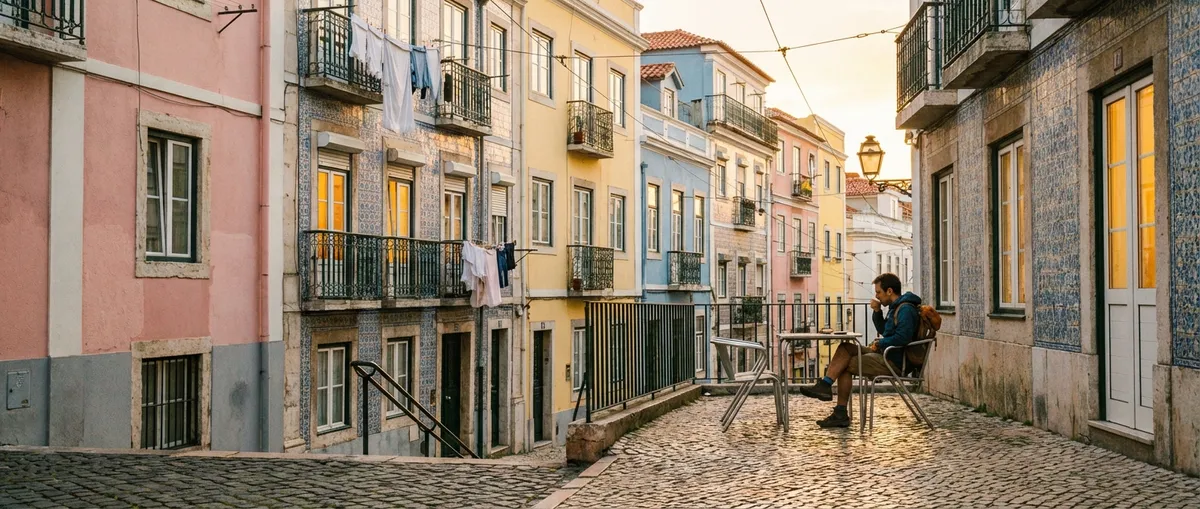
Some places you visit; others feel like they’ve been waiting for you. These are the cities and regions where ordering coffee feels easy, getting around makes sense, and you can picture yourself slipping into daily life—even if you’re only there for a week. This guide is all about spotting those “second home” destinations and planning trips that are immersive, comfortable, and still full of discovery.
Whether you’re plotting a month abroad or just want your next vacation to feel less touristy and more lived‑in, you’ll find ideas, real‑world examples, and five practical tips you can start using right now.
What Makes a Destination Feel Instantly Comfortable?
Some destinations are objectively beautiful, but that doesn’t always translate into feeling relaxed, grounded, or welcome. “Second home” destinations share a few common traits that can make travel smoother and more satisfying.
First, they’re walkable or well‑connected, with reliable public transit or easy ride‑hailing. Being able to move around without stress makes a city feel smaller and more manageable. Second, they offer a balance of local life and visitor infrastructure—think grocery stores and parks alongside museums and historic sites. Third, there’s usually some language overlap, or at least strong cultural hospitality, so you’re not constantly struggling to communicate basic needs.
Cost of living also plays a role: destinations where locals can enjoy regular meals out, community events, and leisure time often translate into more accessible fun for travelers. Safety and stability matter, too; when a place is generally safe to walk around in the evening, it’s much easier to explore at your own pace. Finally, climate and pace of life can be a big factor—some travelers thrive in warm, laid‑back coastal towns, while others feel more at home in dense, buzzing cities with late‑night energy.
Destinations That Blend Everyday Life With Adventure
Instead of focusing only on capitals or classic bucket‑list stops, look for places that locals love for quality of life. These often make incredible travel bases because they’re designed for residents first and tourists second.
In Europe, mid‑sized cities like Valencia (Spain), Porto (Portugal), and Lyon (France) offer deep history, strong food scenes, and walkable neighborhoods without the overwhelming crowds of major hubs. They’re connected by train to bigger cities but retain a community feel, with markets, family‑run bakeries, and neighborhood plazas where you can linger without pressure to keep moving.
Across Asia, cities like Chiang Mai in Thailand or Da Nang in Vietnam combine modern comforts with access to nature and strong digital infrastructure, making them popular both with long‑stay travelers and locals escaping their own megacities. In the Americas, places like Medellín (Colombia), Mérida (Mexico), and Montreal (Canada) blend culture, greenery, and distinctive local identity with growing international communities.
These aren’t the only options, of course—but they represent a style of destination: places where you can have standout experiences (world‑class food, festivals, historic sites) while still doing “normal life” things like buying produce at a local market or joining a morning running group.
Five Practical Tips for Choosing and Enjoying Your “Second Home” Destination
1. Let local quality‑of‑life rankings guide your short list
Before you fall in love with a destination on social media alone, check how it ranks for the people who actually live there. Cities that score well for public transport, green space, healthcare, and safety often make smoother, more relaxing travel bases.
Look up global livability reports, expat surveys, and public transit ratings. Cross‑check that information with what you personally care about: walkability, low pollution, access to nature, or late‑night culture. For example, if you thrive on café culture and prefer to walk everywhere, a mid‑sized European city or a compact university town might suit you better than a car‑heavy metropolis, even if the bigger city gets more attention on Instagram.
Use these reports as a filter, not a final answer. Once you’ve narrowed your list based on data, move on to blogs, YouTube walkthroughs, and neighborhood guides to get a “street‑level” feel for the place.
2. Choose neighborhoods like you’re apartment hunting, not hotel shopping
Instead of searching “best area to stay in [city]” and picking the top tourist district, imagine you’re moving there for a few months. What would you want within a 10–15 minute walk of your front door?
Look for neighborhoods with a cluster of essentials: a supermarket, green space, a few cafés and casual restaurants, and quick access to public transit. Residential districts that are one or two stops away from the center often feel more authentic and less hectic, while still keeping you close to major sights.
Before you book, explore the area on Google Street View or similar tools, and zoom out on the map to understand what’s nearby—universities, rivers or beaches, markets, or cultural centers. Reading reviews that mention “quiet at night,” “lots of locals,” or “great for long stays” can be more helpful than generic praise like “great location.”
3. Build a routine for your stay—even if you’re only there for a few days
One of the fastest ways to make a destination feel like a “second home” is to treat it like more than a checklist of attractions. Creating simple routines helps you connect more deeply and reduces decision fatigue.
Pick a “local spot” for your trip: a café, bakery, or small restaurant where you can go more than once. Staff will start to recognize you, and you’ll pick up subtle slices of everyday life just by watching and listening. Consider a morning ritual (a walk, a jog, or a coffee stop) and an evening one (a stroll through a park, a lookout point for sunset, or a regular bar).
If you’re staying for a week or more, find a nearby grocery store and cook at least one meal in your accommodation. Not only can this save money, it also gives you a sense of how locals shop and eat. These micro‑routines create that elusive feeling of belonging, even on a short stay.
4. Use local events and hobbies to plug into the community
Tourist attractions tell you what a destination has been; local events show you what it is right now. Before you go, search for community calendars, live music listings, and sports or hobby meetups in your destination.
If you enjoy running, look up local running clubs or park runs. If you love music or theater, see what smaller venues are hosting during your stay. For remote workers, coworking spaces can be an easy way to meet both locals and other long‑stay travelers.
Joining a class—like a cooking workshop, language exchange, dance lesson, or craft session—can give you a low‑pressure way to chat with people who actually live there. Even if you only go once, you’ll leave with stories and small connections that go far beyond standard sightseeing.
5. Design your itinerary around “living there for a day”
Instead of cramming every day with back‑to‑back sights, dedicate at least one or two days to “living there” rather than “touring there.” This simple shift can transform your experience of the destination.
Pick one main activity (a museum, a market, or a neighborhood you want to explore) and plan the rest of the day around how a local might fill the gaps. Take public transit instead of a taxi. Schedule a long, unhurried lunch. Sit in a park and read or people‑watch. Browse a local bookstore or a corner shop just to see what’s on the shelves.
Use these slower days to check in with how the place feels: Could you imagine staying longer? What would you miss from home, and what would you love having here every day? Even if you never return, you’ll leave with a more nuanced sense of the destination than you’d get from a whirlwind “see it all” itinerary.
How to Align Destinations With Your Personal Travel Style
Not everyone’s “second home” will look the same. Some travelers recharge in quiet coastal towns, while others come alive in chaotic markets and neon‑lit city streets. Being honest about your preferences is key to choosing destinations that genuinely fit you.
If you’re energized by art, nightlife, and diverse food, target cities with strong cultural calendars and dense urban cores—places like Berlin, Mexico City, or Seoul. If you crave slower mornings and easy access to nature, look at smaller coastal or mountain cities where hiking trails or beaches are 30–60 minutes away, not half a day’s journey.
Think about climate tolerance, too. If hot, humid weather drains you, a tropical “paradise” might not actually feel like a dream base after a few days. Likewise, if you dislike early sunsets and cold, a winter stay in a northern city may feel challenging, no matter how charming it looks in photos.
Your ideal destination is where the rhythm of daily life matches your own natural pace—and where you can imagine a regular Tuesday being just as enjoyable as a big Saturday night out.
Conclusion
The most memorable trips aren’t always the ones with the longest sightseeing lists—they’re the journeys where you feel briefly woven into the fabric of a place. By choosing destinations with strong everyday livability, staying in neighborhoods where locals actually live, and building small routines into your days, you can turn any trip into a “second home” experience.
You don’t have to move abroad or commit to a months‑long stay to feel that sense of belonging. A thoughtfully planned week in the right city, lived at the right pace, can give you the best of both worlds: the thrill of discovery and the comfort of familiarity. Your next favorite destination might not just be somewhere you visit—it could be somewhere you feel like you could stay.
Sources
- Economist Intelligence Unit – Global Liveability Index – Data on cities ranked by stability, healthcare, culture, environment, education, and infrastructure
- OECD Better Life Index – Countries and Regions – Comparative information on quality of life indicators across countries that can inform destination choices
- World Bank – World Development Indicators – Economic and social data (urbanization, infrastructure, safety proxies) relevant to understanding how livable a destination may feel
- UN World Tourism Organization (UNWTO) – Tourism statistics and insights into global travel patterns and emerging destinations
- Official Tourism Site of Spain – Visit Valencia – Example of how mid‑sized cities present local neighborhoods, events, and cultural life for visitors looking beyond classic hotspots
Key Takeaway
The most important thing to remember from this article is that this information can change how you think about Destinations.