Travel doesn’t have to wait for a promotion, a lottery win, or “someday.” With a few smart decisions, you can turn ordinary paychecks into extraordinary experiences—without feeling like you’re cutting the fun out of your trip. Budget travel today is less about sacrifice and more about strategy: making the right moves before and during your trip so your money goes exactly where your memories are made.
Let’s walk through practical, real-world ways to travel well on a real-world budget.
Rethink “Expensive Destinations” as Timing, Not Just Place
Many destinations aren’t inherently expensive—it’s when and how you visit that breaks the bank.
Flights, hotels, and activities are often priced dynamically, which means you can use timing as your superpower. Traveling just outside peak season (the “shoulder season”) often gives you the same beaches, museums, and city energy at a fraction of the price. For example, visiting Europe in early spring or late fall can cut costs on flights and accommodation while avoiding the biggest crowds.
Flexibility is your friend: even shifting departure dates by a few days can impact airfare significantly. Instead of locking into specific dates first, start with a broad window (e.g., “the first two weeks of May”) and explore flight options across that range. When you’re open to flying midweek, taking early-morning or late-night flights, and pairing your trip with local holidays in your destination (not just back home), you’ll often find dramatically lower prices without downgrading your experience.
Use Accommodation Like a Local: Mix, Match, and Get Creative
Your biggest expense after flights is usually where you sleep—so this is where clever choices deliver maximum payoff.
Instead of defaulting to a single hotel for your entire stay, consider mixing different types of stays to balance comfort and cost. For example, spend a few nights in a budget-friendly hostel or guesthouse, then treat yourself to one or two nights in a nicer hotel using your savings. In many cities, private rooms in hostels or family-run guesthouses offer more local character and lower prices than chain hotels, often with perks like communal kitchens and free city maps.
Look beyond the city center for savings: staying one or two transit stops away from major attractions can reduce nightly rates while still keeping you connected. Check what’s included—Wi-Fi, breakfast, kitchen access, washer/dryer, and public transit proximity can easily add up to serious savings over a week. In some destinations, homestays or locally managed rentals can provide cheaper rates plus insider tips you’d never get from a concierge desk.
Turn Food into a Budget-Friendly Adventure
Food is where budgets quietly leak—unless you turn it into a strategy and a highlight of your trip.
Instead of three full restaurant meals a day, aim for one “feature meal” and two simpler options. Make your big, sit-down meal at lunch rather than dinner when possible; in many countries, lunch menus are cheaper while offering nearly the same dishes. Street food, food markets, and bakeries often deliver authentic flavors at a fraction of restaurant prices and can be a cultural experience in their own right.
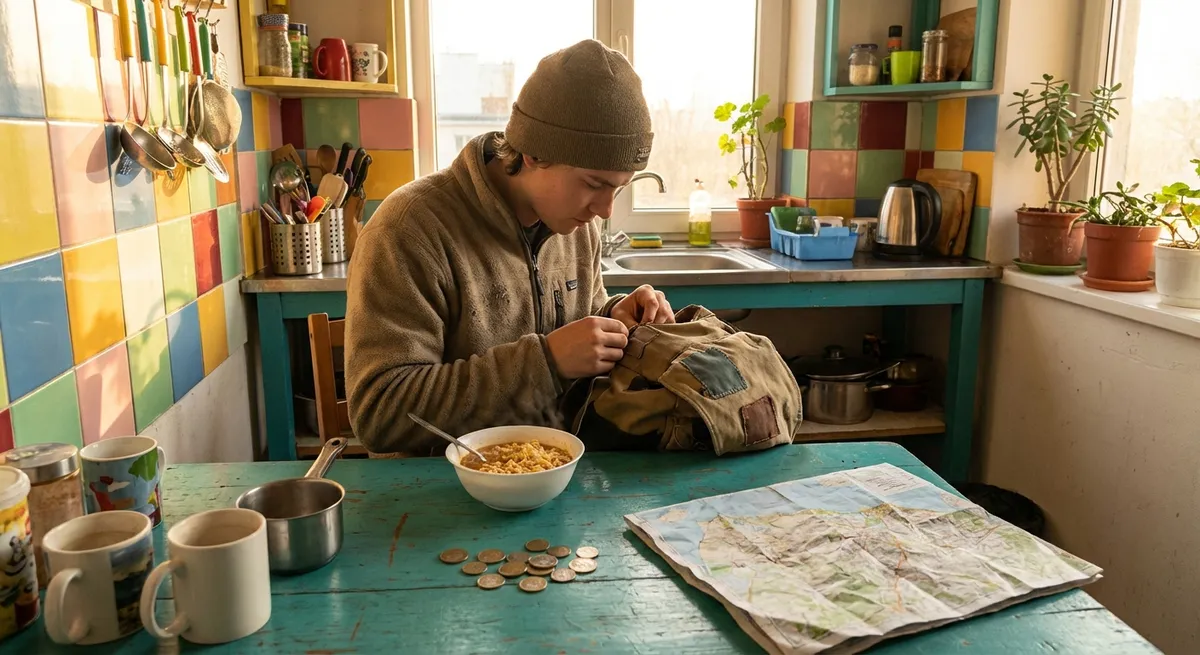
Visit a local grocery store on your first day to stock up on snacks, water, and easy breakfast items. This can cut costs and help you avoid pricey impulse buys when you’re starving between sights. If your accommodation has a kitchen or even just a kettle and fridge, lean into simple meals—think yogurt and fruit, instant oats, sandwiches, or local cheeses and breads. You’ll still get to enjoy regional specialties, but you’ll spend on the dishes that really matter to you, not just whatever happens to be near when you’re exhausted and hungry.
Let Transit Shape Your Trip (Instead of Fighting It)
Transportation within your destination can quietly become one of the biggest drains—or one of your biggest money-savers.
Start by learning how locals move around. In many cities, day or multi-day transit passes are dramatically cheaper than paying per ride, especially if you’ll be hopping between neighborhoods. Trains, buses, and metro systems often connect major sights better than taxis or ride-hailing apps, and they double as a way to experience daily local life.
Check if your destination offers integrated travel cards that include transit plus discounts on museums or attractions. In some cities, airport trains or express buses are cheaper and nearly as fast as taxis, especially during peak traffic. For regional travel, consider slower but cheaper options like standard trains or buses instead of high-speed lines or domestic flights. A slightly longer journey can free up money for activities you’ll actually remember, and in many places, the scenery along the way becomes part of the adventure.
Plan Your “Must-Do” Moments First and Build the Budget Around Them
One of the most powerful budget moves is deciding what truly matters to you before you spend anything.
List the top experiences that would make this trip feel unforgettable—maybe it’s a cooking class, a snorkeling tour, a famous museum, a day trip to a nearby town, or a live performance. Price those out early and reserve space in your budget for them first. When you allocate money to your “must-dos” up front, it becomes easier to cut costs in other areas that don’t matter as much, like souvenirs or a second sit-down dinner you won’t remember as clearly.
Take advantage of free and low-cost activities to fill in the rest of your days: walking tours (especially tip-based ones), public parks, free museum days, historic neighborhoods, local festivals, and waterfront promenades. Many cities publish calendars of free events, concerts, and cultural activities—perfect for adding color to your trip without straining your wallet. By anchoring your budget around a few carefully chosen highlights and layering in free or cheap experiences, you’ll come home feeling like you traveled richly, not just cheaply.
Conclusion
Budget travel isn’t about cutting joy—it’s about cutting waste. When you’re intentional about timing, where you stay, how you eat, how you move, and which moments you prioritize, you unlock more travel on the same income. Instead of waiting for the “perfect” budget or feeling like you have to compromise at every turn, you can design trips that fit your reality and deliver the kind of experiences you’ll talk about for years.
With a little strategy, your next getaway doesn’t have to be someday—it can be soon.
Sources
- U.S. Department of State – Travel Planning Resources – Safety, advisories, and country-specific info to help plan smarter, safer trips
- European Commission – Passenger Rights for Air, Rail, Bus, and Ferry – Explains your rights when traveling in Europe, useful for budget travelers relying on public transport
- Hostelling International – Articles and guidance on hostels, budget stays, and community-based travel
- Lonely Planet – Budget Travel Advice – Practical tips and examples for saving money on the road
- National Park Service (NPS) – Information on U.S. parks, passes, and free/low-cost outdoor activities that can anchor budget-friendly trips
Key Takeaway
The most important thing to remember from this article is that this information can change how you think about Budget Travel.