If you’ve seen the recent headlines about adult content creator Bonnie Blue facing up to 15 years in prison after filming explicit videos in Bali, you already know: one wrong move abroad can do far more than ruin your vacation. It can get you detained, fined, or even jailed in a country whose rules are very different from back home.
From Indonesia’s strict anti-pornography laws to Thailand’s vaping crackdowns and Dubai’s rules on public behavior, we’re seeing more travel stories where “I didn’t know” isn’t saving anyone. The good news? With a bit of prep, you can still have an amazing, Instagram-worthy trip without stepping on any legal landmines.
Below are five practical, easy-to-follow travel hacks to help you stay safe, respectful, and out of trouble—especially in destinations with strict morality, tech, or public-behavior laws.
Hack 1: Do a 20-Minute “Culture & Law Check” Before You Book Anything
The Bali/Bonnie Blue case is a sharp reminder that some destinations (especially in Southeast Asia and the Middle East) have strict rules around behavior, clothing, and content—including what you post online.
Before you even confirm your flights, set a 20-minute timer and do a quick “Culture & Law Check” for your destination. Search phrases like:
- “[Country] tourist laws 2025”
- “[Country] social media laws for foreigners”
- “[Country] banned behavior for tourists”
Then check three sources: your own government’s travel advisory (like travel.state.gov for U.S. travelers or gov.uk for UK travelers), the destination country’s official tourism site, and one reputable international news outlet covering that region. You’re looking for recent updates: new morality laws, social media rules, dress codes for religious sites, restrictions on public affection, and what can get you deported or jailed. Screenshot key pages and save them offline. This tiny habit can prevent the “I didn’t know” nightmare that’s now splashed across global headlines.
Hack 2: Treat Your Camera and Phone Like Legal Evidence (Because They Are)
Influencers and creators are increasingly under the microscope—Bonnie Blue’s alleged videos in Bali are a prime example of authorities using online content as proof of illegal activity. But you don’t have to be an adult creator for this to matter; even “harmless” posts can cross lines abroad.
Adopt a simple rule: If you wouldn’t be comfortable showing that photo or video to airport immigration on arrival, don’t capture or upload it in that country. That includes drone shots near military sites, photos in restricted temples or mosques, anything suggestive in conservative destinations, and filming strangers without consent in regions with strict privacy norms. Turn off auto-cloud backup if you’re worried about devices being checked, and keep a separate “travel phone” with minimal content when visiting countries known for strict digital surveillance. Creators: keep explicit, risqué, or highly provocative content off devices you travel with in countries with harsh anti-pornography or decency laws—what’s legal at home may be a criminal offense abroad.
Hack 3: Map the “Invisible Rules” of Your Destination Before You Pack
A lot of the trouble travelers get into isn’t about obvious crimes—it’s about “invisible rules” that locals know instinctively but visitors don’t. Think: no gum in Singapore, no vaping in Thailand, no revealing outfits at religious sites in Bali or India, or no alcohol in public in parts of the Middle East.
Before you pack, make a two-column list in your notes app:
- Column A: Clothing & conduct
Search: “[destination] dress code tourists,” “public behavior laws,” “what not to do as a tourist in [country].” Note specific items: shoulders/knees covered, no sheer clothing, no public intoxication, no explicit PDA, etc. Then build outfits that automatically comply—lightweight layers, a scarf, longer shorts or skirts.
- Column B: Banned or risky items
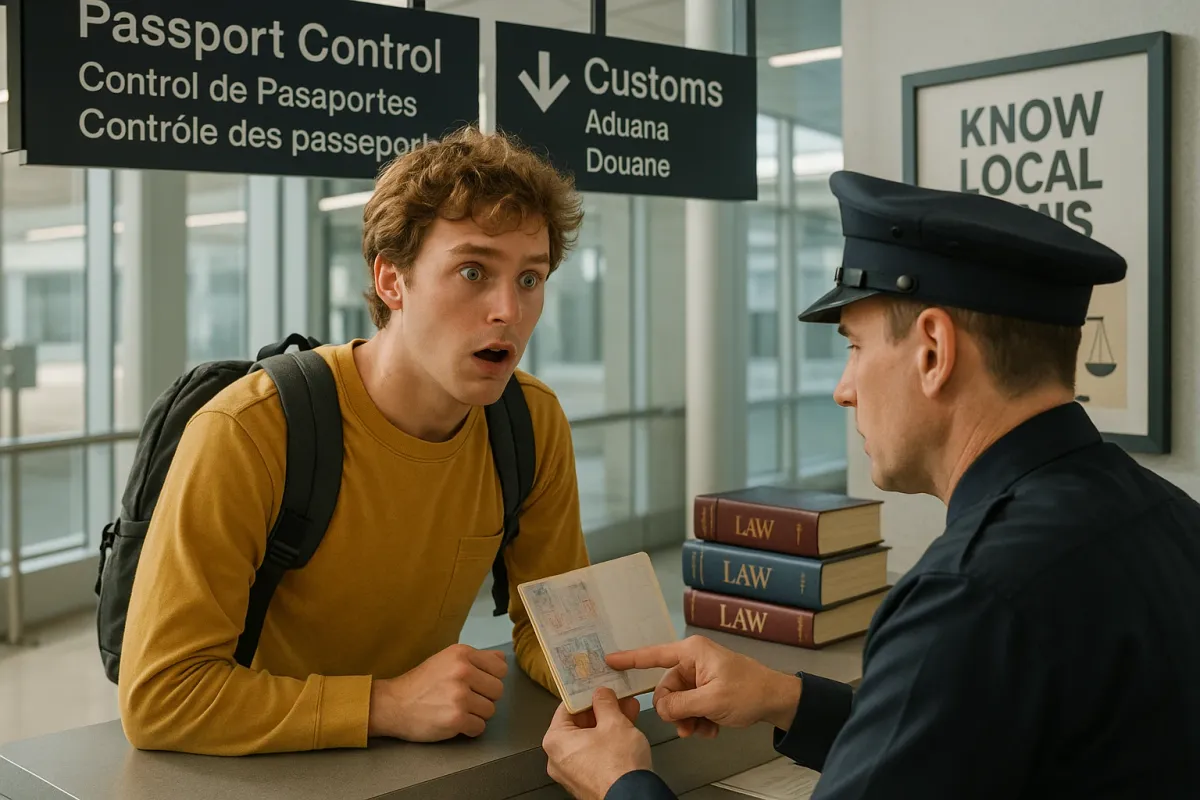
Search: “[destination] what not to bring,” “banned items at customs,” “vapes / medication / drones in [country].” Many countries have strict rules on prescription meds (especially anything that looks like controlled substances), drones, walkie-talkies, and sex toys. Pack with this list open so you don’t accidentally bring something that could cause hours of questioning at customs—or worse.
This pre-packing ritual isn’t about killing fun; it’s about letting you relax more once you’re there, because you know you’re not unknowingly breaking rules.
Hack 4: Use “Local Buddy Research” to Avoid Unwritten No-Gos
News stories like the Bali case highlight how different a destination can look from the outside vs. how locals actually experience it. Bali’s beaches and villas may dominate your Instagram feed, but Balinese society is deeply conservative and holds strong views on public morality, religion, and respect.
Instead of relying only on glossy travel blogs, do “local buddy research”:
- Join Facebook groups or subreddits created for expats or locals in your destination (e.g., “Bali Expats,” “Jakarta Expats,” “[City] Locals & Friends”).
- Post a short, respectful question:
- “I’m visiting next month—are there any behaviors tourists do that are considered rude or could get you in trouble?”
- “Anything foreigners often don’t realize is illegal or taboo here?”
- Take notes on recurring answers: visiting temples in swimwear, posing on sacred sites, noisy villa parties, overly affectionate behavior in public, or content creation that locals see as disrespectful.
You’ll often learn about unwritten rules long before you step off the plane. Respecting these not only keeps you safe but earns genuine goodwill from the people who actually live there.
Hack 5: Build a “Crisis Cushion” Plan—Before You Need It
When a story breaks about someone facing jail abroad, like Bonnie Blue in Bali, one pattern is almost always true: once the crisis hits, your options shrink fast. You don’t need to expect disaster—but you can quietly prepare for it.
Before traveling, especially to countries with stricter laws or less familiar legal systems, do this:
- Save key contacts offline: your embassy or consulate in that country, a trusted local contact if you have one, and a family member or friend who knows your full itinerary.
- Scan important documents: passport, visa, travel insurance, and any prescriptions. Store them securely offline (e.g., encrypted notes app or password manager).
- Choose real travel insurance: not just medical coverage, but ideally one that offers legal assistance or 24/7 emergency support. Check what’s included before you buy.
- Set a simple code phrase: agree on a neutral sentence you can send to someone at home if you’re in trouble and can’t explain openly (e.g., “Can you check the dog’s vet records?”).
You’ll probably never need this—but if a customs misunderstanding, legal issue, or accident happens, you’ll go from panicked to proactive in minutes instead of hours.
Conclusion
The headlines coming out of Bali about Bonnie Blue aren’t just scandalous—they’re a flashing neon sign for every traveler and content creator: the world is not one big version of your home country. Laws change at borders, and so do expectations around behavior, clothing, and what you share online.
Staying safe doesn’t mean traveling in fear. It means traveling informed. With a 20-minute law check, smarter packing, local insights, mindful content habits, and a simple crisis plan, you can explore boldly while staying firmly on the right side of the law.
Your next trip can be wild, wonderful, and completely drama-free—at least from the legal department. And that’s the kind of travel story you actually want to bring home.
Key Takeaway
The most important thing to remember from this article is that this information can change how you think about Travel Hacks.