Landing in a new city with just a couple of days can feel thrilling and overwhelming at the same time. You want that “I really felt this place” experience—without spending your entire trip in lines, transit, or tourist traps. The good news: with a smart strategy, you can arrive as a stranger and leave feeling surprisingly at home.
This guide walks you through how to quickly understand a new destination’s rhythm, food, and culture—plus five practical, on-the-ground tips you can use in almost any city in the world.
Start with the City’s “Shape,” Not Its Sights
Before listing attractions, learn how the city is laid out and how people move through it. Pull up a map and look for the central clusters: old town or historic center, business district, main park, riverfront, or waterfront. Identify where you’re staying in relation to those hubs—are you in a residential neighborhood, a nightlife area, or near the main tourist strip?
Next, figure out the primary transportation pattern: is this a subway city, a tram city, a bus city, or a walk-everywhere city? Knowing this will shape how much you can realistically cover in 48 hours. Many major cities publish official transit maps and visitor guides online that are worth a quick scan before you arrive. Once on the ground, adjust your mental map by walking a few key routes early—like from your hotel to a main square or transit stop—to anchor yourself. You’ll navigate more confidently and avoid wasting time zigzagging without a plan.
Build a “Core Day” and a “Flexible Day”
Instead of cramming a long checklist into both days, design one “core day” and one “flexible day.” Your core day focuses on can’t-miss experiences that define the destination’s identity: it might be a historic district, a major museum, or a famous food market. Book timed-entry tickets or tours for this day in advance so your anchor activities are secure, then pad the schedule with buffer time around them.
Your flexible day is for curiosity. Use it to wander neighborhoods, follow local recommendations, or revisit a favorite spot from day one. Keep this day light on reservations so you can pivot when you discover something unexpected. This two-part structure keeps you from feeling rushed while still ensuring you see the highlights. It also dramatically reduces decision fatigue—you’ve already decided which day is structured and which day is spontaneous.
Tip 1: Use a “Three-Theme” Plan Instead of a Long List
Rather than trying to do “everything,” choose three themes that match the city’s strengths and your interests. For example:
- In Lisbon: “viewpoints & hills,” “tiles & history,” “seafood & fado”
- In Tokyo: “neighborhoods & street scenes,” “food alleys,” “temples & gardens”
- In Chicago: “architecture & skyline,” “lakefront & parks,” “deep-dish & jazz”
Once you pick your three themes, select 1–2 experiences under each. This gives your trip a story arc and makes decisions effortless: if a new opportunity pops up, you ask, “Does it fit one of my themes?” If yes, go for it. If not, save it for another visit. This approach helps you filter out generic attractions and focus on what makes this destination unique.
Tip 2: Anchor Each Day with One Local Ritual
Local rituals make a city feel lived-in instead of just visited. Choose one simple ritual per day and build your schedule around it. It might be:
- Morning: coffee at the same corner café both days
- Late afternoon: a stroll through a specific park or along a waterfront
- Evening: people-watching in a main square or favorite bar
Repeating that ritual once or twice gives you a sense of continuity and familiarity, even on a short stay. You’ll notice micro-details—who comes and goes, how the light changes, what music is playing—that you’d miss if you only rushed through once. This small habit turns “I saw that place” into “I had a little life there for a couple of days.”
Tip 3: Eat Like a Local by Time, Not Just by Place
You’ve probably heard “eat where locals eat,” but the timing of your meals is just as important as the location. Many cultures have very specific meal times, and showing up at the right time changes the entire experience. In Spain or Argentina, for instance, arriving for dinner at 7 p.m. may mean empty restaurants and a touristy vibe; arrive closer to 9 or 10 p.m. and you’ll often get the true local energy.
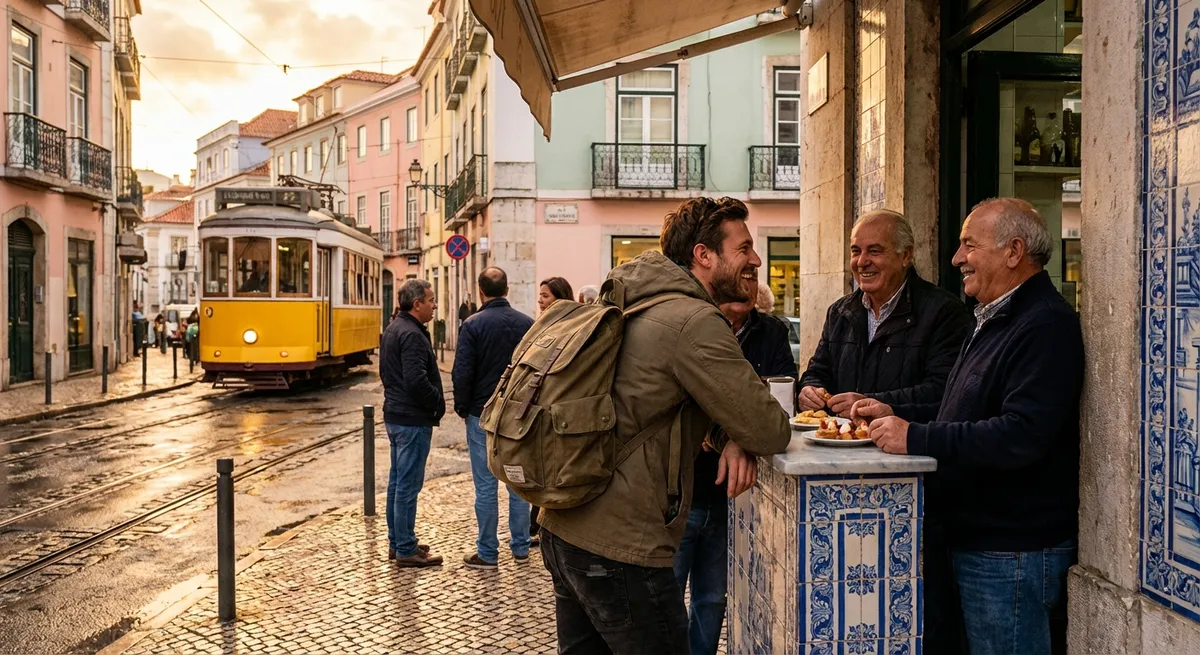
Look up typical meal times for your destination before you go, then plan your activities around them. Use off-peak hours for big attractions and peak hours for food. At lunch, seek out busy spots where the menu is only in the local language or where you see workers on their break—that’s often a good sign of authentic, reasonably priced food. When possible, sit at the bar or communal tables; it’s easier to ask quick questions, get recommendations, and strike up casual conversations that can lead to your next great discovery.
Tip 4: Join One Hyper-Local Experience
Squeezing in just one local activity—beyond museums and monuments—can transform how you perceive a city. Think small and specific: a neighborhood food tour, a cooking class, a sunset kayak on the river, a local walking tour led by residents, or a workshop tied to a regional craft. These experiences often pack history, culture, and insider tips into a few hours.
Search for experiences that explicitly mention small groups or community-led initiatives; they tend to be more personal and grounded. Ask your guide or host very targeted questions: “If you had a free afternoon tomorrow, what would you do?” or “Where do you take friends from out of town?” Write their suggestions down and use them to shape the remainder of your trip. This single connection can shortcut you into a deeper understanding of the place in a fraction of the time.
Tip 5: Design Transit as Part of the Fun, Not Just Logistics
Transportation doesn’t have to be dead time. In many destinations, transit is one of the best ways to feel the city’s pulse. Instead of always defaulting to taxis or ride-hailing, identify one scenic or culturally significant transit line to ride end-to-end: a tram route with panoramic views, a metro line that cuts through different neighborhoods, or a ferry across a bay or river.
Use these rides as moving observation decks. Notice what people wear, what they carry, what they’re reading, how they interact. This can tell you as much about daily life as any museum. When possible, combine transit with short walking segments: ride two or three stops, get out, walk for 10–15 minutes, then hop back on. You’ll cover more ground while still staying connected to the city at street level.
Stay Present: Capture Memories Without Losing the Moment
In a short stay, it’s tempting to photograph everything. Instead, aim for fewer, more intentional captures. Snap a wide shot to remember the place, then put your phone away and pay attention with all your senses: the sound of the language around you, the smell from a bakery, the feel of the air near the water or in a narrow alley.
Jot down quick notes in your phone or a small notebook at the end of each day: what surprised you, what you’d do again, what you’d skip. These details fade faster than you think, and reflecting while they’re fresh solidifies your connection to the destination. You’ll leave not just with images, but with a vivid mental “map” of how the city felt.
Conclusion
You don’t need weeks to feel a real connection to a new destination. By understanding the city’s shape, focusing on a few clear themes, syncing your schedule to local rhythms, weaving in one meaningful experience, and turning transit and rituals into part of the adventure, you can transform a quick stop into something memorable and personal.
The next time you have 48 hours in a new city, treat it not as a rushed checklist—but as a chance to build a tiny, concentrated version of life there. You’ll step on the plane home already plotting your return.
Sources
- U.S. Department of State – Country Information - Official country pages with local customs, safety info, and practical details that help you understand a destination before you go
- OECD – Tourism Trends and Policies - Research and reports on how tourism shapes cities and regions, useful for understanding broader context around popular destinations
- UNESCO World Heritage Centre - Authoritative list and descriptions of cultural and natural heritage sites that often define a city’s identity
- Lonely Planet – Travel Guides - Curated destination overviews, neighborhood breakdowns, and practical tips that complement short city stays
- National Geographic Travel - In-depth stories and features on local culture, food, and landscapes that can help inspire and shape your destination themes
Key Takeaway
The most important thing to remember from this article is that following these steps can lead to great results.