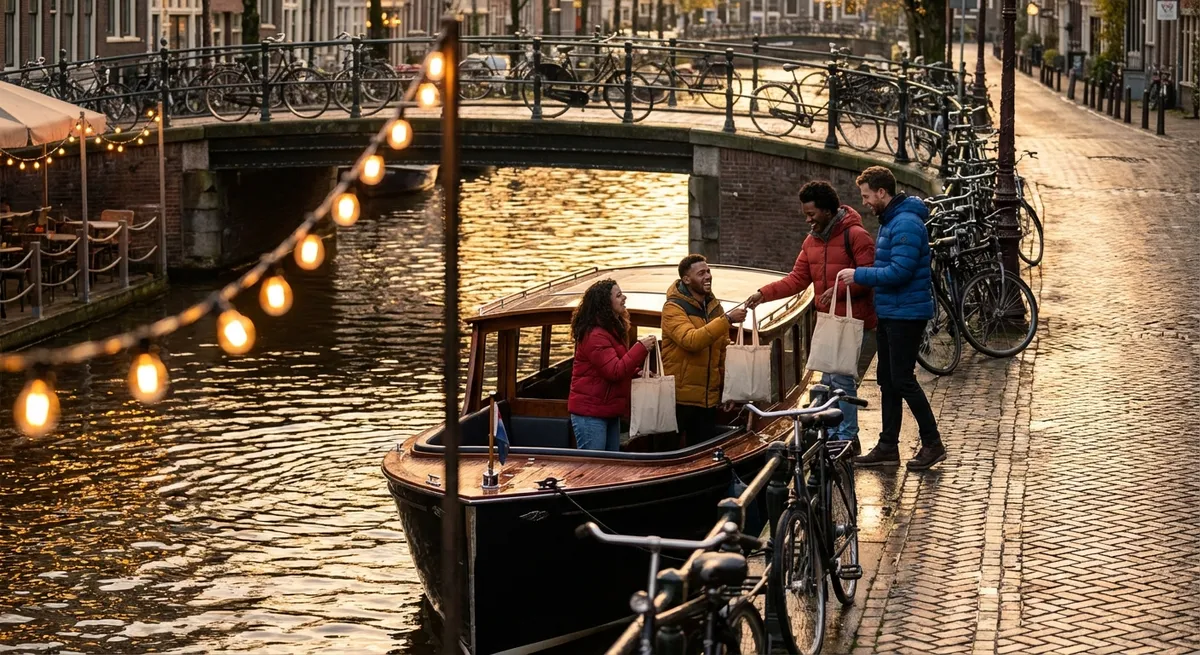
City breaks are more exciting than ever—and more complicated. Heat waves, overtourism, changing seasons, and new digital tools mean that “just show up and wander” doesn’t cut it anymore. The good news: with a bit of smart planning, you can still have unforgettable urban adventures that feel vibrant, not crowded; authentic, not scripted; and sustainable, not stressful.
This guide zooms in on how to choose and experience cities in a way that fits the world we’re traveling in now—plus five practical tips you can use on your next trip to any major destination.
Rethinking “Best Time to Visit” in a Changing Climate
The classic advice—“go in spring or fall”—is starting to feel outdated. Many cities are experiencing hotter summers, unpredictable shoulder seasons, and more extreme weather. That doesn’t mean you should stay home; it just means you need a smarter strategy.
Before you book, look at recent weather patterns, not just averages. Search something like “Barcelona July heat wave 2023” or “Tokyo summer humidity” to get a realistic picture, not just a brochure version. Cities like Rome, Athens, Seville, and Paris have all seen record temperatures in recent years, which can seriously impact how much you enjoy being outside, especially midday.
Consider seasonal swaps: if summer used to be your go-to, look harder at late fall or very early spring. Many European cities feel wonderful in November or March—cool enough for long walks, fewer crowds, and better prices. In some places, like Dubai or Singapore, the “best” months may be short and precise, so flexibility with your dates can massively upgrade your experience.
Finally, keep an eye on air quality and climate-related events like wildfire smoke or flooding. These issues increasingly affect cities in North America, Europe, and Asia. Building in a bit of flexibility (like choosing a hotel with a good lounge or coworking space) makes last-minute indoor days feel like part of the plan, not a ruined itinerary.
Choosing Cities That Match Your Travel Energy
Every city has a “speed”—some are high-voltage and non-stop, others are slow and contemplative. The trick is matching your energy level and interests to the city’s natural rhythm instead of fighting it.
If you love food, late nights, and dense neighborhoods, places like Lisbon, Mexico City, and Bangkok reward deep dives into just a couple of districts. You don’t need a checklist of “20 attractions”; you need a neighborhood you can return to at different times of day—morning bakery run, midday market, late-night street food.
If you’re more into architecture, slower walks, and cafes, consider cities that are compact and walkable: think Copenhagen, Ljubljana, Edinburgh, or Kyoto (with good transit). Here the joy is in seeing the same street in changing light, or noticing small design details and local routines.
Ask yourself:
- Do I want nightlife or early mornings?
- Am I excited by museums or outdoor spaces?
- Do I want a “wow” skyline or cozy, human-scale streets?
- How much time do I actually want to spend on public transport each day?
Answer honestly, then shortlist cities that align with that profile. You’ll naturally plan a trip that feels like it fits you instead of trying to force yourself into someone else’s “must-see” agenda.
Smarter Neighborhood Choices: Your Base Is Half the Trip
Where you sleep shapes how you experience a city just as much as what you see.
Instead of asking “What’s the city center?”, ask: “Where do I want to walk out my door?” That usually means:
- Cafes and bakeries within 5–10 minutes
- A supermarket or convenience store nearby
- A transit stop (metro/train/tram) within easy walking distance
- Safe, well-lit streets you’re comfortable on at night
Look for secondary hubs: neighborhoods that aren’t the most famous, but are well-connected. For example, skipping the absolute center (often noisy, pricey, and tourist-packed) and choosing a nearby area with more locals can give you better food, lower prices, and quieter nights.
Use online maps creatively:
- Turn on “bicycling” or “public transport” layers to see connectivity.
- Switch to street view and virtually “walk” a few blocks around potential stays—daytime and nighttime views if available.
- Search the neighborhood name plus “guide” or “where to stay” in your language and the local language to catch more nuanced takes.
Choosing your base like this makes every small moment—morning coffee, evening stroll, quick grocery run—feel like part of the destination, not just filler between major sights.
5 Practical Tips for Enjoying Cities in Today’s Travel Landscape
These tips work across continents and price ranges, whether you’re spending a weekend in Montreal or a week in Istanbul.
1. Build a “Two-Tier” Itinerary: Anchors + Wildcards
Skip the rigid hour-by-hour schedule. Instead, choose:
- Anchors: 1–2 fixed plans per day (a timed museum visit, a food tour, a show).
- Wildcards: open blocks labeled by mood, not activity (e.g., “somewhere green,” “local snack crawl,” “sunset viewpoint”).
This gives structure without suffocating spontaneity. For example, anchor your morning at the Louvre, but leave the afternoon as “wander a smaller neighborhood and find a wine bar.” You’ll avoid overbooking and still feel you “did things.”
2. Time-Shift to Beat Crowds and Heat
Think like a local with a busy job: go early or go late.
- Visit headline attractions at opening time or near closing time, not in the middle of the day.
- Use the hottest hours (12–4 pm) for indoor stops: museums, food halls, shopping arcades, or even a mid-day siesta at your hotel.
- Enjoy early breakfasts and late dinners in cities where that’s normal (e.g., Spain, Italy, much of Latin America). You’ll dodge tour groups and often get better service.
Even shifting your schedule by 60–90 minutes compared to typical tourist timing can dramatically change your experience of the same place.
3. Treat Public Transit as Part of the Adventure
Public transit isn’t just how you move—it’s where you are.
- Buy a day or multi-day transit pass if available; it frees you from constantly worrying about fares.
- Use transit for more than commuting: take a tram or ferry line end-to-end to see the city’s edges and everyday life.
- Download offline maps and the local transit app before you arrive, so navigating is stress-free even without data.
This approach lets you cover more ground sustainably, access neighborhoods most visitors never see, and save money over constant rideshares.
4. Eat with a “One Local, One Experiment” Rule
At each meal, aim for:
- One thing that feels familiar (to keep food fatigue away).
- One thing that feels adventurous (to actually experience the local cuisine).
You might order your usual style of coffee but try the local pastry; choose a sandwich spot but pick the region’s specialty filling. Ask staff: “What do people who live around here usually order?” You’ll balance comfort and curiosity—and avoid burning out on unfamiliar foods by day three.
5. Build Micro-Breaks into Each Day
City travel can be overstimulating: noise, crowds, constant decision-making. Protect your energy with built-in micro-breaks:
- A 20-minute sit in a park or on a quiet bench with no phone.
- A slow coffee where you’re “not allowed” to plan or scroll, just watch.
- A quick reset in a bookstore, church/temple, or library—often free, calm, and cool.
These breaks help you arrive at each major highlight with attention and patience, instead of just adding one more rushed stop to your list.
Making Your Own Signature City Style
The most memorable city trips aren’t the ones where you see “everything”; they’re the ones where the city starts to feel like yours, even just a little. Maybe that’s a favorite bakery in Berlin, a riverfront bench in Prague, a late-night taco stand in Mexico City, or a tiny temple in Kyoto you found because you got off the tram one stop early.
By choosing your timing thoughtfully, matching destinations to your energy, picking smart bases, and using these five practical tactics, you can keep exploring the world’s great cities in a way that feels lighter, more intentional, and more deeply satisfying.
Your next step: pick one city you’ve always wanted to visit, open a map, and start planning like a local—with climate, neighborhoods, and your own travel style leading the way.
Sources
- World Meteorological Organization – Climate Change and Cities - Overview of how climate change is affecting urban environments and heat waves
- UN World Tourism Organization (UNWTO) – Urban Tourism - Insights on city tourism trends and sustainability considerations
- European Environment Agency – Urban Adaptation to Climate Change - Data and case studies on how cities are adapting to climate impacts
- Transport for London – Visitor and Tourist Information - Example of how major cities structure public transport information for travelers
- U.S. Department of State – Travel Advisories - Up-to-date safety, health, and environment-related travel guidance for destinations worldwide
Key Takeaway
The most important thing to remember from this article is that this information can change how you think about Destinations.