There’s a moment between sunset and full darkness when cities flip a switch. Streetlights glow, kitchens open, rooftop bars hum, and familiar landmarks turn into something cinematic. That’s the blue hour—and some destinations feel like they were built for it.
For travelers who love exploring when the day crowd thins and the neon flickers on, planning around a city’s after-dark personality can completely change your trip. Let’s dive into a few nightlife-friendly destinations around the world—and how to experience them beyond the usual bar crawl.
Why Night Cities Hit Different
Nighttime isn’t just “daytime, but darker.” In many cities, cultural life genuinely shifts gears after sunset. Heat breaks in tropical destinations, locals head out for food and music, and iconic monuments turn into glowing landmarks.
Cities like Tokyo, Lisbon, and Mexico City often feel more authentic in the evening: neighborhood izakayas filling with salary workers, fado bars lighting candles, street food stands firing up grills. Even famously “daytime” cities—like Paris or Singapore—reveal a different side at night through river cruises, late-night markets, and outdoor performances.
Traveling with night energy in mind helps you pace your days better, choose central areas that feel safe and alive after dark, and plan experiences that lean into each city’s nocturnal strengths, from night markets to twilight viewpoints.
Night-Ready Destinations Worth Planning Around
Below are a few cities where sunset isn’t the end of the day—it’s the main event. These are examples, not an exhaustive list, but each offers a distinct flavor of nighttime energy.
Tokyo, Japan: Neon, Noodles, and Neighborhood Nights
Tokyo’s after-dark rhythm is legendary, but it’s not just about the blinding lights of Shibuya Crossing. Once the office day ends, the city pivots into tiny-restaurant mode: alleyways like Omoide Yokocho or Golden Gai brim with yakitori smoke, clinking glasses, and ramen slurps.
Tokyo’s trains run late, neighborhoods are well-lit and busy, and convenience stores stay open around the clock—perfect for travelers easing into night exploration. Between glowing shrines in Asakusa, late-night shopping in Shinjuku, and quiet evening walks along the Sumida River, you can choose anything from full-throttle nightlife to calm, reflective evenings.
Lisbon, Portugal: Tiles, Viewpoints, and Music in the Streets
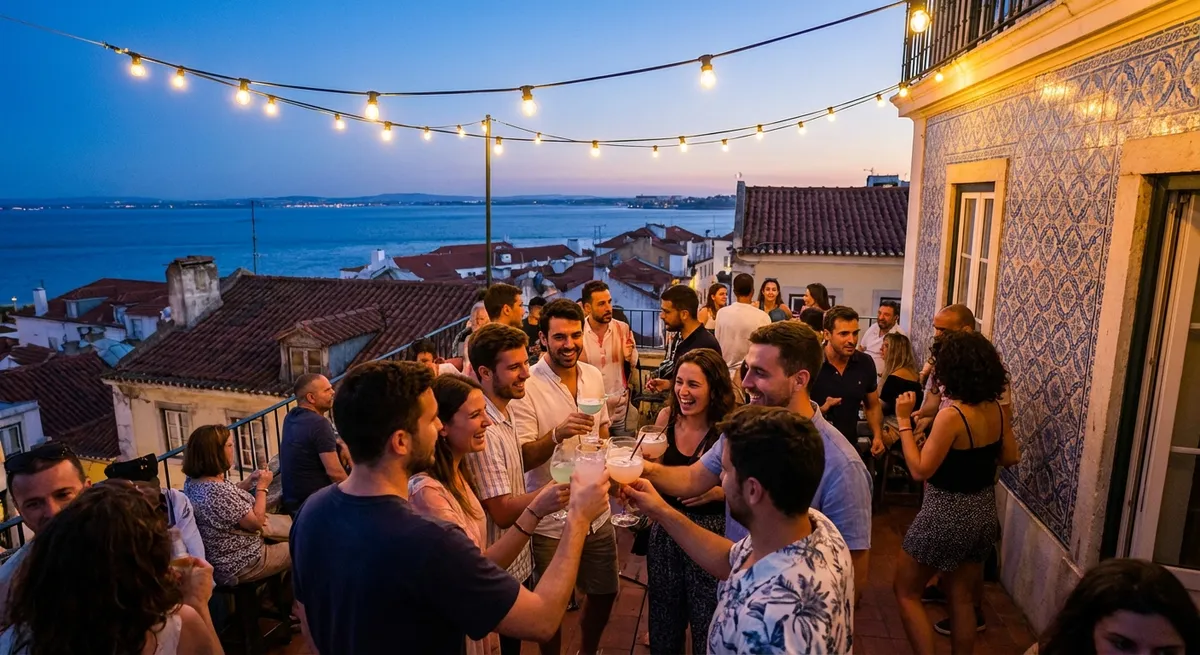
Lisbon’s steep hills, vintage trams, and azulejo-tiled buildings look especially magical at night, when warm yellow lights bounce off pastel walls. Locals eat late, socialize in the streets, and stretch dinner into midnight in neighborhoods like Bairro Alto and Cais do Sodré.
The city’s famous miradouros (viewpoints) are ideal at blue hour—like Miradouro da Senhora do Monte or Santa Catarina, where you can watch the sky fade over the Tagus River. Later, fado houses in Alfama and Madragoa fill with live music, wine, and slow storytelling.
Mexico City, Mexico: Street Food, Plazas, and Late-Night Culture
Mexico City balances buzzing nightlife with deep culture. After dark, plazas stay lively, taquerías crank out al pastor long into the night, and neighborhoods like Roma, Condesa, and Centro Histórico take on a cinematic glow.
Evening is prime time for street food tours, mezcal tastings, and strolling past historic buildings lit from below. Many museums and cultural spaces host occasional night openings or special events, turning typical sightseeing into something more atmospheric and less rushed.
Singapore: Skylines, Hawker Centres, and Cool Evening Air
Singapore’s humid daytime can be intense, but at night the city becomes comfortable and dramatic. Gardens by the Bay’s Supertrees light up in choreographed shows, Marina Bay’s skyline reflects off the water, and hawker centres stay open with steaming bowls of laksa and satay.
Night walks along the river, rooftop gardens, and open-air food courts let you experience the city without the midday heat. The city’s excellent public transit and reputation for safety also make after-dark exploring accessible for solo travelers.
Five Practical Tips for Night-City Travelers
Night-focused trips can be incredible—but they benefit from a slightly different kind of planning. These five tips will help you enjoy evening energy confidently and comfortably.
1. Book Your Base With Night in Mind
When evaluating where to stay, don’t just look at proximity to daytime attractions. Ask yourself:
- What’s the walking route like at night—busy and well-lit, or quiet and deserted?
- Are there late-night food options nearby?
- Is public transit still running when you’re likely to head home?
For example, in Tokyo, staying near major train stations (like Shinjuku or Shibuya) keeps you connected late into the evening. In Lisbon, central areas like Baixa or Chiado balance walkability with a bit of nightlife, while still being close to quieter streets.
Pro tip: Use satellite and street-view tools before you book to get a feel for building entrances, lighting, and neighboring businesses. If a place has reviews mentioning “quiet but safe at night” or “lots of restaurants within a short walk,” that’s gold.
2. Build “Split-Shift” Days to Avoid Burnout
If you’re excited about night experiences, don’t stack your schedule wall-to-wall from 8 a.m. to 1 a.m.—you’ll crash by day three. Instead, treat your day like a split shift:
- Do lighter sightseeing early (parks, cafés, views).
- Take a midday break: nap, read, or just enjoy your hotel’s quiet.
- Go out again around golden hour to roll smoothly into blue hour and nighttime activities.
This rhythm works especially well in hot or humid destinations, where afternoons are best spent indoors. You’ll arrive at evening events rested, sharper, and more present—and far less tempted to skip that late fado show or night market because you’re exhausted.
3. Design “Night Routes” Before You Land
Just as you might sketch a daytime walking route, plan a couple of intentional evening routes:
- In a new city, pick 2–3 neighborhoods that are known to be lively and safe after dark.
- Map a loop that includes a viewpoint, a snack stop, and a main street or plaza.
- Save those routes offline on your phone (in case your data connection drops).
For example, in Mexico City, you might create an evening loop through Roma Norte: start at a café or wine bar, wander tree-lined streets to admire architecture, grab tacos al pastor, and finish with dessert or a quiet bar. Having a plan keeps you from wandering into areas that shut down early or feel too deserted, especially on your first nights.
4. Prep a Small “Night Kit” You Actually Carry
Instead of packing everything “just in case,” assemble a tiny night-out kit you’re genuinely willing to take with you:
- A compact external battery and short charging cable
- A physical card with your hotel address (useful if your phone dies)
- A digital transit card or local payment app set up in advance
- A light layer (cities can cool quickly after dark, even in warm climates)
- One backup method of getting home (local ride-hailing app, prepaid metro card, or taxi stand location saved in your notes)
Keep this in a small crossbody or waist bag that zips completely and sits in front of you. If your setup is simple and comfortable, you’re far more likely to stay out for that extra night show, walk, or snack.
5. Time Iconic Sights for Blue Hour, Not Noon
Many major landmarks and viewpoints are more striking—and less crowded—between sunset and full dark. Planning them for blue hour can transform a standard visit:
- City viewpoints (like Lisbon’s miradouros or Singapore’s riverfront) glow as lights turn on.
- Skylines reflect in water, creating photos that feel cinematic.
- Temples, churches, and historic buildings often have evening illuminations that highlight architecture.
Check opening hours in advance: some viewpoints or rooftops offer special extended evening hours or tickets. In many cities, you can pair a twilight visit with a nearby night market or dinner reservation, turning a single sight into a whole evening experience.
Conclusion
Destinations don’t just differ by climate, cuisine, or culture—they also differ in how they breathe after dark. Some cities get quiet and reflective; others explode with sound and color. Planning trips with the blue hour and night atmosphere in mind can make even familiar places feel brand new.
Whether you’re sipping noodles under Tokyo neon, listening to fado spill out of Lisbon doorways, weaving through Mexico City taco stands, or watching Singapore’s skyline flicker on, focusing on a city’s nighttime rhythm gives you a deeper sense of how locals actually live. Build your days to support your nights, choose stays that feel good after sunset, and let the evening light guide you to a different side of your favorite destinations.
Sources
- Japan National Tourism Organization – Tokyo Travel Guide – Official overview of Tokyo neighborhoods, transportation, and cultural highlights
- Visit Lisboa – Official Tourism Portal – Information on Lisbon viewpoints, neighborhoods, and cultural experiences
- Mexico City Government Tourism Site – City-backed guide to Mexico City attractions, neighborhoods, and events
- Singapore Tourism Board – Visitsingapore.com – Official resource on attractions, hawker centres, and nighttime experiences in Singapore
- U.S. Department of State – Travel Advisories – Up-to-date safety and security information for destinations worldwide
Key Takeaway
The most important thing to remember from this article is that this information can change how you think about Destinations.