If today’s viral “25 Geography Mistakes Most People Won’t Spot” quiz has taught the internet anything, it’s this: most of us are a little fuzzy on maps. But that’s not just a fun trivia problem—it’s a massive budget travel opportunity. When people don’t really know where things are, what’s nearby, or how distances actually work, they overpay for flights, skip cheaper airports, and miss out on low‑cost destinations hiding right next door to pricey hotspots.
With geography quizzes trending and everyone suddenly testing their map skills online, this is the perfect moment to flip that curiosity into real‑world savings. By using geography correctly—rather than guessing like in a meme—you can unlock cheaper routes, smarter itineraries, and destinations most tourists never even consider.
Here’s how to turn your inner map nerd into a serious budget travel superpower, starting right now.
Use “Near, Not There” to Dodge Overpriced Hotspots
Those viral geography questions show how often people mix up neighboring countries, cities, and even continents. Use that to your advantage: instead of flying directly into the famous (and expensive) place, look for a cheaper base nearby and connect by bus, train, or regional airline.
For example, if everyone’s piling into Paris, look at flying into Brussels, Luxembourg, or even Basel and taking a budget train or FlixBus into France. Prices often drop dramatically just because you changed your arrival airport by a few hundred kilometers. Going to Venice? Check flights to Treviso or Bologna instead. Dreaming of Santorini? Fly into Athens or even a nearby Balkan airport like Thessaloniki and ferry your way there. Your total travel time might be only a bit longer, but your savings can cover several nights of accommodation. Always zoom out on the map and search “airports near [destination]” before booking anything.
Let Budget Routes, Not Bucket Lists, Pick Your City
The trending geography quiz puts you in “spot the error” mode—but with budget travel, the real question is “where is the value hiding?” Instead of locking in a destination first and begging your wallet to keep up, flip the process: start with the cheapest routes leaving your home airport, then choose where to go.
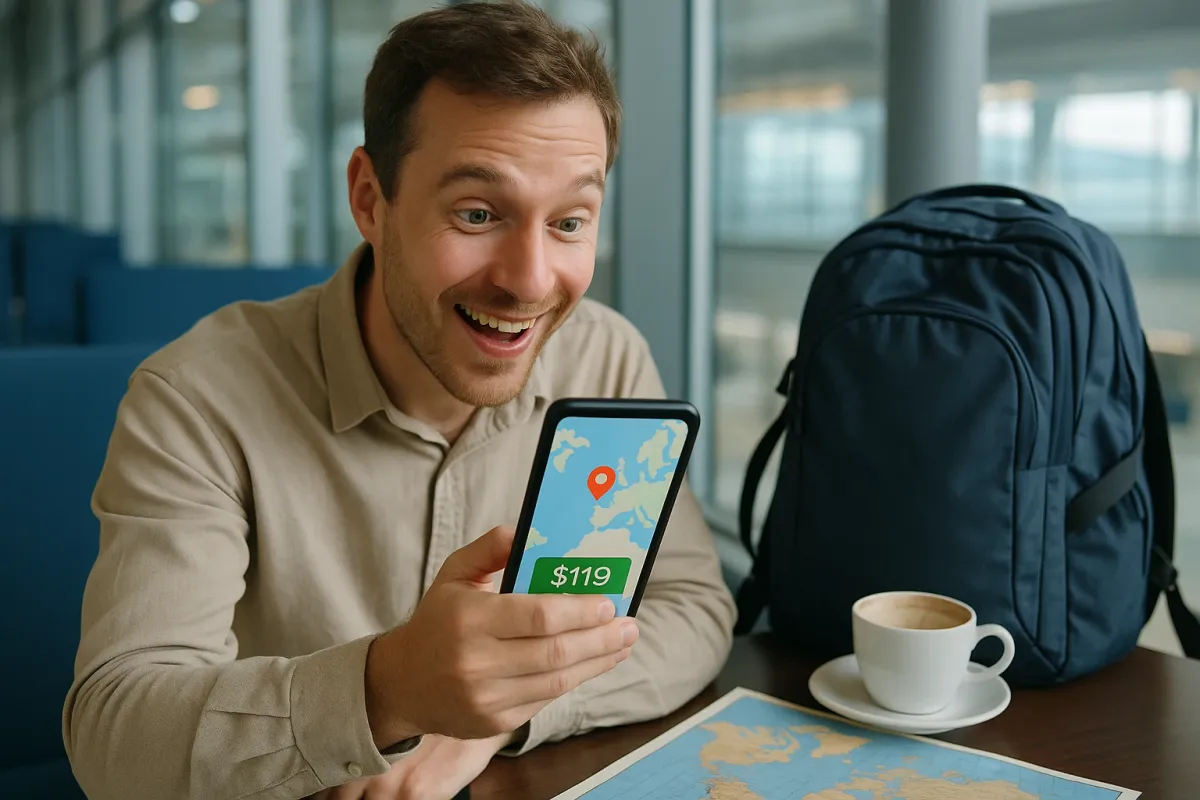
Use tools like Google Flights’ “Explore” map, Skyscanner’s “Everywhere” search, or Kiwi’s flexible map view. Set your departure airport, choose “anywhere,” and widen the dates to an entire month. You’ll instantly see which regions are aggressively priced right now—maybe a low‑cost carrier is pushing new routes to Eastern Europe, or there’s a fare war in Southeast Asia. Let those patterns guide you. This map‑first approach turns you from a passive shopper into a strategist who rides the cheapest current trend, not the most Instagrammed location.
Think in Regions, Not Countries, to Stretch Every Ticket
That geography quiz reminds us how arbitrary some borders and labels can feel. Budget travelers win when they think in regions instead of strict country boxes. A flight to “Europe” doesn’t mean one city; it’s your entry ticket to a web of cheap buses, trains, and budget airlines covering dozens of destinations.
Book the lowest‑fare gateway city in a region, then move around smartly once you’re there. Fly into Madrid but spend the bulk of your time in cheaper Andalusian towns. Land in Kuala Lumpur, then hop around Southeast Asia using AirAsia, buses, and trains. Use regional passes like Eurail, Interrail, or local bus networks to turn one long‑haul ticket into a multi‑stop adventure. When you plan by clusters—Balkans, Baltics, Andean South America, Caucasus, Balkans, etc.—you’ll often find that adding one or two extra countries barely moves your budget needle but dramatically boosts your experience.
Master “Per Kilometer” Thinking to Kill Overpriced Day Trips
One of the funniest parts of those map quizzes is realizing how badly we judge distance. The same thing happens on the road—tourists pay €80 for a half‑day trip that goes… 40 kilometers. To travel on a budget, stop pricing things by “tour” and start pricing by distance and time.
Before booking any excursion, open a map and measure the route. Then check what it would cost with public transport or a local rideshare instead. A “famous wine region day tour” might actually be a 45‑minute bus ride from a small city you could stay in for two nights at half the price. That “remote” waterfall could have a $2 local minibus and a $1 entrance fee if you skip the packaged tour. Use Google Maps, Rome2Rio, or local transit apps to compare. When you train your brain to see distance clearly instead of blindly trusting tour prices, you’ll start spotting rip‑offs instantly and assembling your own DIY adventures for a fraction of the cost.
Treat Every Map Like a Menu of Free and Cheap Experiences
Those geography quizzes are fun because maps feel like puzzles. On the road, treat maps the same way—except the “hidden items” are free viewpoints, local neighborhoods, and low‑cost experiences clustered in walkable areas. Most people look only at pin‑drops for big attractions and miss the density of everything between them.
Switch your map to satellite or terrain and scan for green spaces (parks, hiking trails), waterfronts (promenades, public beaches), and narrow street grids (old towns, local markets). Plot walking loops that chain several points together: a free viewpoint + a local market + a riverside path, all in one afternoon. Use OpenStreetMap or apps like Maps.me to discover footpaths and lesser‑known lookouts. When you navigate like this, you naturally spend less on transport and admission fees while seeing more than travelers who just Uber between top‑10 sights. The map becomes your budget‑friendly buffet: the more you read it, the more value you get without paying extra.
Conclusion
The viral “25 Geography Mistakes” quiz is going around as light entertainment—but for budget travelers, it’s a powerful reminder: most people move through the world with a very fuzzy sense of where things are. If you’re willing to sharpen your map skills just a little, you can consistently outsmart typical tourist pricing.
Think “near, not there” when you see expensive hubs. Let cheap routes choose your destination. Plan by regions, not borders. Judge trips by distance, not glossy tour names. And read every map like a menu of free experiences waiting to be connected. Do this, and your next trip won’t just be geographically smarter—it’ll be dramatically cheaper, too.
Key Takeaway
The most important thing to remember from this article is that this information can change how you think about Budget Travel.