Packing isn’t just about what goes in your bag—it’s about how your trip feels from the moment you zip it shut. When your suitcase is organized, light, and easy to manage, everything from airport security to hotel check‑in suddenly feels smoother. These packing habits are designed to reduce stress, save time, and keep you ready for whatever your trip throws at you—without turning your bedroom into a packing war zone.
Below are five practical, real‑world tips that you can start using on your next trip, whether you’re heading out for a weekend or wandering for weeks.
Tip 1: Build a “Travel Uniform” Instead of Random Outfits
A suitcase full of clothes doesn’t guarantee you’ll feel put together on the road. A simple “travel uniform” approach makes getting dressed easier and keeps your bag lighter.
Start with a base color—black, navy, gray, or beige—and build around it. Choose 1–2 bottoms (like one pair of neutral pants and one pair of versatile shorts or a skirt) that match nearly every top you bring. Then pick tops that can mix and match across different situations: a casual tee, a slightly dressier shirt, and a lightweight layer like a cardigan or button‑up.
Prioritize fabrics that resist wrinkles, dry quickly, and can be worn multiple times before washing, such as merino wool, performance blends, or well‑made cotton. If every top works with every bottom, you’ve created an easy mini‑wardrobe instead of a bag of “single‑use” outfits. You’ll spend less time deciding what to wear and more time actually exploring.
Tip 2: Use “Zones” Inside Your Bag to Stay Organized on the Go
Digging for earbuds at the bottom of a suitcase is a special kind of travel frustration. Instead of treating your luggage like a big open box, divide it into simple zones so everything has a predictable home.
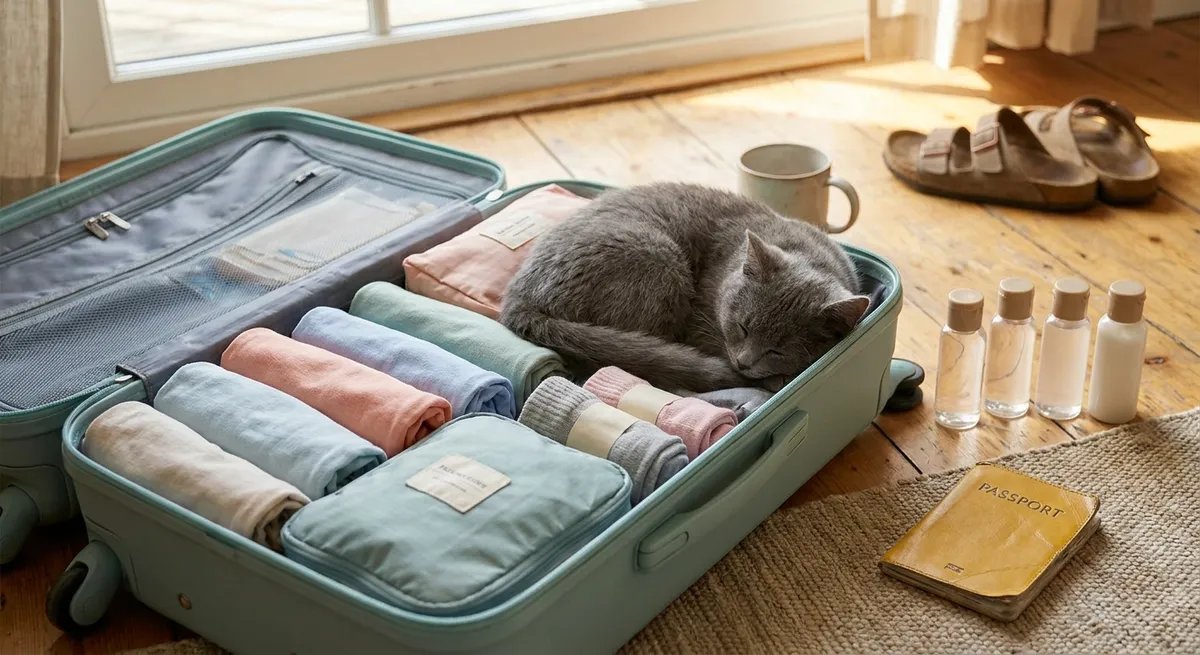
Think in categories: clothes, tech, health, and “quick access.” Use packing cubes or even simple fabric bags to separate these zones. For example, keep all clothing in cubes by type (tops in one, bottoms in another, underwear and sleepwear in a third). Put all tech gear—chargers, adapters, power bank, headphones—together in a small pouch. Reserve one easily reachable pocket or small cube for “first 24 hours” essentials: toothbrush, travel‑size toiletries, basic meds, a fresh pair of socks, and a change of underwear.
This system isn’t just about tidiness—it saves time and mental energy. When you arrive late, jet‑lagged, or in a rush, you’ll know exactly where to reach for what you need without exploding your entire suitcase across the hotel room.
Tip 3: Pack a Tiny “Fix-It Kit” for Travel Emergencies
Small problems can derail a day of travel: a broken zipper, a sudden headache, or a loose button. A compact “fix‑it kit” can turn mini‑disasters into one‑minute inconveniences.
Use a small zip pouch, tin, or even an old glasses case and load it with a few high‑impact items: a couple of bandages, pain relievers, any essential personal meds, motion sickness tablets (if you’re prone to it), a few adhesive blister patches, safety pins, a mini sewing kit, and a spare pair of earplugs. Add a few wipes or a tiny hand sanitizer for when sinks are hard to find.
Keep this kit in your personal item or the outer pocket of your suitcase—somewhere you can reach quickly in a bus, a train, or a terminal seat. You won’t use every item on every trip, but the day you need one of them, you’ll feel like a packing genius.
Tip 4: Pre-Pack a “Grab and Go” Liquids Bag You Never Unpack
One of the biggest time‑sinks before every trip is rebuilding your toiletry bag from scratch. Instead, create a permanent, pre‑packed liquids bag that lives with your luggage and is always ready to go.
Use a clear, TSA‑compliant pouch and fill it with travel‑size versions of products you know you’ll always want: toothpaste, moisturizer, sunscreen, shampoo/body wash, and any regular skincare items you rely on. Opt for solid versions when possible—like bar shampoo or solid deodorant—to reduce liquids and potential spills. After each trip, do a quick check: refill or replace anything that’s running low, then put the bag right back with your suitcase instead of in your bathroom.
This single habit removes a huge chunk of pre‑trip stress. Before your next adventure, you’ll grab your “ready‑to‑fly” toiletry kit, toss it into your bag, and be done—no last‑minute bathroom scavenger hunt required.
Tip 5: Weigh Your Bag at Home and Leave “Future You” Some Space
Airline baggage rules can turn an overstuffed suitcase into an expensive surprise. Avoid the check‑in counter drama by getting honest about your luggage at home—and giving yourself room to grow along the way.
Invest in a small digital luggage scale or use a bathroom scale to get a rough idea of your bag’s weight when you’ve finished packing. Compare this with your airline’s limit and aim to stay at least a few pounds/kilos under—this buffer covers last‑minute additions and small souvenirs.
Just as important: deliberately leave some empty space. A slightly under‑filled bag is easier to zip, lift into overhead bins, and live out of. Roll or fold efficiently, but don’t compress your items to the absolute max unless you truly need to. Think of that space as a gift to “future you”—the one who falls in love with local coffee beans, a market scarf, or that perfect little ceramic bowl you absolutely couldn’t leave behind.
Conclusion
Packing well isn’t about perfection or owning fancy gear—it’s about simple habits that make travel gentler on your brain and your body. By building a flexible travel uniform, organizing your bag into zones, carrying a tiny fix‑it kit, keeping a permanent liquids pouch ready, and giving your suitcase breathing room, you set yourself up for smoother travel days and calmer travel nights.
Next time you’re getting ready for a trip, try adopting even one of these habits. Over time, they’ll stack together into a packing style that feels natural, easy, and totally “you”—and your future self at the airport, train station, or road trip rest stop will be very, very grateful.
Sources
- Transportation Security Administration (TSA) – Travel Tips - Official guidance on packing, liquids rules, and what’s allowed in carry-on vs. checked bags
- U.S. Department of State – Traveler’s Checklist - Government advice on preparing for trips, including essentials to consider packing
- Mayo Clinic – First Aid Kit Basics - Practical recommendations for assembling a small, effective first-aid kit
- Harvard Health Publishing – Smart Packing for Healthier Travel - Health-focused packing considerations, including medications and hygiene
- Consumer Reports – How to Avoid Airline Baggage Fees - Overview of baggage fee pitfalls and why weighing and sizing your luggage matters
Key Takeaway
The most important thing to remember from this article is that this information can change how you think about Packing Tips.