Travel on a budget doesn’t have to look like sad hostels, instant noodles, and FOMO while everyone else splurges. With a few smart moves, you can keep your costs low and still feel like you’re on a dream trip—not a survival challenge. The goal isn’t to spend nothing; it’s to spend intentionally so every dollar actually makes your trip better.
Think of budget travel as a game you can win with strategy, timing, and a bit of creativity. These practical tips focus on real-world decisions—when to book, what to skip, and how to design an itinerary that rewards you with rich experiences instead of surprise charges.
Tip 1: Build Your Trip Around “Anchor Deals,” Not Dream Destinations
Instead of picking a destination first and then trying to force it to fit your budget, flip the script: let the deals lead you. “Anchor deals” are the unusually cheap flights or trains that can shape your whole itinerary. This approach can open up cities and regions you’d never have considered—but at a fraction of the usual cost.
Start by searching flexible dates and broad regions (like “Everywhere” or “Anytime” filters on flight search tools). Once you spot a standout price to a hub city, build your route around it—adding nearby destinations reachable by cheap buses, regional trains, or low-cost carriers. For example, a bargain flight to Madrid could anchor a Spain–Portugal loop. Because you’re flexible on where and when to go, you’re working with the market instead of against it. This mindset turns you from a passive shopper into a strategic planner, and that’s where big savings quietly stack up.
Tip 2: Design “Two-Shift Days” To Eat Well Without Overspending
Food can quietly become one of your biggest travel expenses—especially if you’re grabbing random restaurant meals three times a day. A “two-shift day” helps you eat well, taste local food, and still stay on budget. The idea: keep one main meal out, one main meal in, plus flexible snacks.
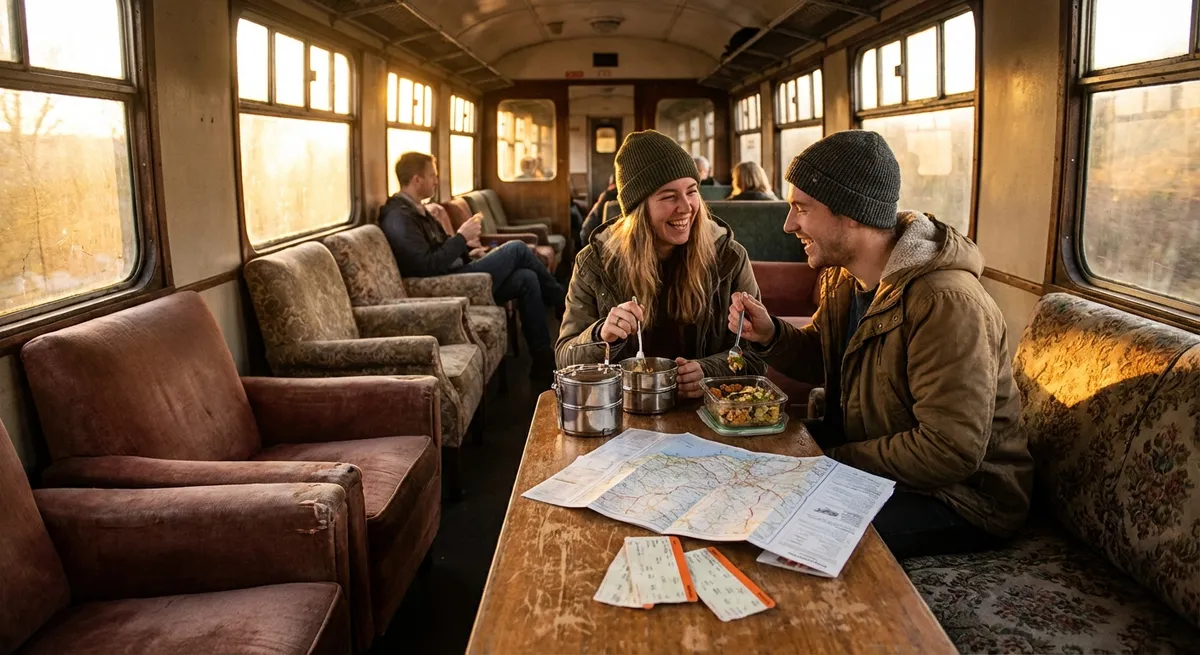
If your accommodation has a kitchen or at least a fridge, you’re golden. Think: a simple hostel breakfast or grocery-store lunch (fresh bread, cheese, fruit, yogurt, local snacks) paired with one sit-down meal at a café or restaurant you’re genuinely excited about. Shift that bigger meal to lunch if prices are lower than dinner in your destination. You still get the joy of dining out, but without the constant drain of three restaurant tabs a day. As a bonus, grocery runs give you a peek into regular local life and often introduce you to regional staples you’d never find on a tourist menu.
Tip 3: Swap “Must-Do” Lists for “High-Impact Moments”
Endless “must-do” lists push you toward expensive, crowded experiences that don’t always hit as hard as the hype suggests. A smarter budget move: focus on crafting a handful of “high-impact moments” instead of trying to do everything. High-impact moments are experiences that feel deeply memorable to you—not just Instagram-approved.
Before you go, ask yourself what you want this trip to feel like: peaceful, adventurous, social, creative, romantic? Then choose experiences that match that vibe, even if they’re free or low-cost. A sunrise hike, wandering a market at opening time, journaling in a quiet café, a free gallery day, or a sunset by the water can stick in your memory far more than a pricey attraction you rushed through. When you stop chasing every paid experience, you free up cash for the few that genuinely excite you—like a cooking class, a unique tour, or a special day trip—and they’ll stand out more because your days aren’t overcrowded and overspent.
Tip 4: Treat Accommodation Like a Basecamp, Not the Main Event
Accommodation is often your single biggest expense, but it doesn’t have to be a luxury destination in itself—especially if you plan to be out exploring most of the day. Treat it like a basecamp: safe, well-located enough, and comfortable enough to rest and reset. When you stop expecting your room to be an attraction, you can cut costs without feeling deprived.
Prioritize three things: neighborhood, basic comfort, and hidden costs. A slightly smaller or simpler room in a great area can save you on transport and late-night rideshares. Read reviews specifically for words like “quiet,” “clean,” and “safe”—these matter more than trendy decor. Always check for extra fees (resort charges, mandatory linen fees, late check-in costs, or paid lockers). If you travel often, learn which style suits you best: budget hotels for privacy, hostels for social energy, homestays or short-term rentals for kitchen access. When you match your stay to your actual travel style—not your fantasy Pinterest board—you’ll feel smart, not shortchanged.
Tip 5: Use “Soft Commitments” To Avoid Last-Minute Money Traps
Rushed decisions are where budgets go to die: last-minute tours, same-day transport, expensive meals near big attractions because you’re starving and out of ideas. “Soft commitments” help you avoid this by giving your days a loose structure without locking you into rigid plans or costly changes.
Create a simple daily template: a rough morning activity, a flexible afternoon option, and a general area where you’ll be around mealtimes. Bookmark a few cafés, casual restaurants, and parks on a map app before you go, so you’re never stuck defaulting to the closest overpriced spot. Do the same for transport—know in advance how to get from the airport or station, and what local passes or cards might cut your costs. You’re not scheduling every hour; you’re just removing opportunities for panic-spending. With those guardrails in place, you can be spontaneous within a smart framework—and your wallet will feel the difference.
Conclusion
Budget travel isn’t about cutting every corner; it’s about cutting the right ones so you can say yes to the experiences that matter most to you. When you let deals guide your route, rethink how you eat, focus on meaningful moments, keep accommodation practical, and structure your days with soft commitments, you create trips that feel rich in experience—not just rich in receipts.
With a bit of planning and a flexible mindset, you won’t just travel cheaper—you’ll travel better, more relaxed, and more in tune with the places you’re visiting.
Key Takeaway
The most important thing to remember from this article is that this information can change how you think about Budget Travel.