Travel on a budget doesn’t have to mean cramped hostels, boring meals, or saying no to the experiences you really want. With a bit of strategy, you can stretch your money in ways that feel generous, not restrictive—so your trip still feels rich, even if your bank account doesn’t.
This guide walks you through five practical, traveler-tested ways to make your money go further while keeping the experience fun, flexible, and full of memories.
Rethink Where You Stay: Value Over “Cheap”
Accommodation is often your biggest expense, so small shifts here have a big impact.
Instead of sorting by “cheapest first,” search for best value in the neighborhood you actually want to be in. A slightly higher nightly rate in a central area can save you money on transport, late-night taxis, and lost time commuting to the places you care about. Look beyond hotels: guesthouses, small family-run inns, and budget-friendly boutique hotels often include extras like breakfast, Wi‑Fi, and local tips that replace paid tours or pricey meals.
Short-term rentals can be great if you’re staying longer or traveling as a group, but watch for hidden fees like cleaning charges and service fees that inflate the real cost. In expensive cities, private rooms in reputable hostels can give you hotel-level privacy with hostel-level social life and shared kitchens that keep your food budget down. Always read recent reviews and check for mentions of noise, safety, cleanliness, and Wi‑Fi reliability—saving $10 isn’t worth a miserable night’s sleep.
Use Food as a Smart Budget Lever, Not a Sacrifice
Food is where many travelers overspend without realizing it—and where you can save the most without feeling deprived.
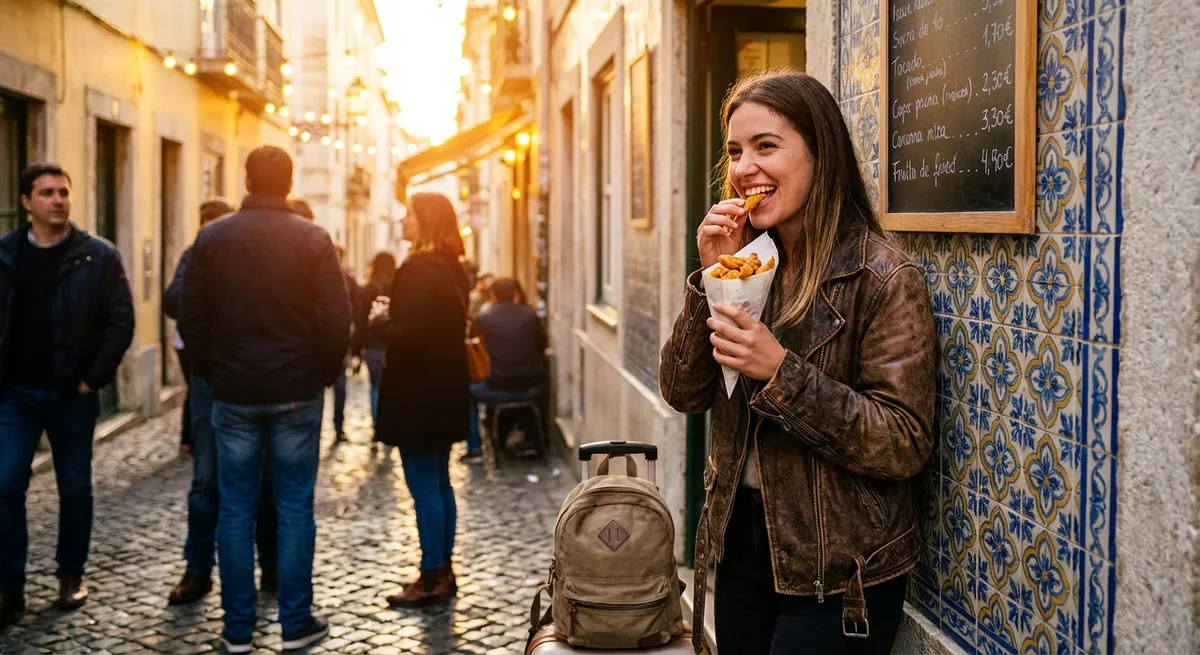
Swap one restaurant meal a day for something simple but local: a bakery breakfast, a street food lunch, or a picnic from a supermarket stocked with regional specialties. In many countries, lunch menus (like menu del día in Spain or pranzo di lavoro in Italy) offer high-quality, multi-course meals at a fraction of dinner prices, so make your main meal midday and keep dinner lighter and cheaper.
Stay somewhere with at least a kettle or kitchenette and stock up on basics like instant coffee, tea, yogurt, fruit, or bread. That turns your room into your personal breakfast café and cuts out the daily “first meal panic spend.” Ask locals where they actually eat—hotel front desks, baristas, or taxi drivers often know inexpensive spots that don’t show up in tourist lists. And if you do splurge on a big meal or famous restaurant, plan for it: build it into your budget so it feels like a highlight, not a mistake.
Treat Transportation Like a Strategy Game
Getting around—both to your destination and within it—is another area where planning turns into real savings.
For flights, use flexible date searches and nearby airports to spot patterns: often flying midweek or early morning is significantly cheaper. Set fare alerts in advance so you can book when prices dip instead of grabbing the first option you see. If you’re visiting multiple cities, compare open-jaw tickets (flying into one city and out of another) to avoid backtracking and extra transport costs.
On the ground, prioritize public transit passes over single tickets when you’ll be moving a lot. Many cities offer 24–72 hour passes or tourist cards that include unlimited transit and discounted attractions. Learn a couple of key routes in advance (airport to accommodation, city center to your neighborhood) so you’re not defaulting to taxis out of confusion or fatigue. For regional travel, buses and trains can be dramatically cheaper than short flights, especially when booked in advance—plus you avoid baggage fees and get a built-in sightseeing opportunity out the window.
Plan Your “Big Spend” Experiences First
Instead of trying to do everything and bleeding money all trip long, decide in advance what you care most about and build your budget around those anchor experiences.
If your must-do is a cooking class, a dive trip, or one truly memorable dinner, price those out before you go and protect that part of your budget. Then, work backwards: what can be free or low-cost to balance them out? Parks, free walking tours (tip-based), open-air markets, and self-guided neighborhood explorations can easily fill days without draining your wallet.
Many major museums and attractions offer discount days, late-entry pricing, or free hours. Check official websites ahead of time and align your schedule accordingly. When you’re tempted by something spontaneous and pricey, ask yourself: “Does this beat my planned highlight activities?” If not, it’s easier to say no and keep that money for what really matters. This approach keeps your trip from becoming a blur of forgettable, mid-level spends and turns it into a curated set of standout memories.
Build a Daily Money Rhythm You Can Actually Stick To
The most effective budget is one you can manage on the fly without spreadsheets or stress.
Before your trip, set a rough daily spending range for non-fixed costs (food, local transport, activities, small shopping). Then, divide that number into two simple buckets in your mind: “daytime” and “evening.” If you naturally spend more at night (drinks, dinners, events), aim to keep daytime cheap—coffee instead of cocktails, markets instead of malls, walks instead of paid tours.
Use one main card for most purchases and a small daily amount of cash for snacks, tips, or markets. When your cash for the day is gone, it’s a signal to slow your spending, not a reason to panic. Every few days, quickly review your banking app to see if you’re roughly on track; it’s easier to correct course mid-trip than realize at the end that you’ve blown through your budget. Think of it as steering, not restricting—small adjustments each day keep you confident and relaxed instead of anxious about money.
Conclusion
Traveling on a budget doesn’t mean cutting joy—it means directing it. When you’re deliberate about where your money goes—choosing stays for value, using food and transport strategically, prioritizing your big experiences, and keeping a simple daily rhythm—you create trips that feel rich in all the right ways.
The real win isn’t just saving money; it’s stepping off the plane knowing you squeezed maximum meaning, adventure, and connection out of every dollar you spent.
Sources
- U.S. Department of State – Traveler’s Checklist - Official guidance on planning, documents, and general trip prep that supports smarter, safer travel.
- Consumer Financial Protection Bureau – Tips for Managing Money While Traveling - Practical advice on using cards, cash, and avoiding unnecessary fees abroad.
- National Travel & Tourism Office (U.S. Department of Commerce) - Data and insight on travel patterns and costs that inform budget expectations.
- Lonely Planet – Budget Travel Tips - A trusted travel publisher’s overview of techniques and habits for traveling on less.
- Rick Steves Europe – Money-Saving Tips - Detailed, Europe-focused but widely applicable strategies for cutting costs without cutting experiences.
Key Takeaway
The most important thing to remember from this article is that this information can change how you think about Budget Travel.