Travel on a budget isn’t about saying no to everything—it’s about saying yes to what actually matters. With a few smart moves before and during your trip, you can cut costs without cutting the parts that make travel feel unforgettable. This guide keeps things practical and doable, so you can spend less, stress less, and travel more.
Start With a “Must-Do Budget,” Not Just a Total Budget
Most people only set a total number for their trip, then feel guilty every time they spend. Flip that script.
Begin by listing experiences you absolutely want—maybe a food tour, one museum pass, or a day trip. Research rough prices and reserve part of your budget specifically for those “must-do” moments. Then, build everything else (accommodation, food, transport) around what’s left.
This approach keeps you focused on value, not just price. You’ll know exactly where to splurge and where to save without feeling like every decision is a math problem. Plus, when you’ve planned for the “big” things you care about, it’s easier to say no to impulse buys that don’t really add to your trip.
Use Flexible Search Tools to Let Price Guide the Destination
If your dates are somewhat flexible, let the deals lead you instead of locking into one specific place and weekend.
Tools like Google Flights’ “Explore” feature, Skyscanner’s “Everywhere” search, and Hopper’s price alerts can show you where and when it’s cheapest to fly. Instead of “I must go to Paris in June,” think “I want somewhere with good food and walkable neighborhoods within this price range.” That shift alone can cut your flight costs dramatically.
Once you have a shortlist of affordable destinations, check local prices for accommodation, food, and transport. A cheap flight to an expensive city might not be a bargain overall, while a slightly pricier flight to a cheaper region (like parts of Eastern Europe, Southeast Asia, or Latin America) can stretch your budget a lot further once you’re on the ground.
Practical tip: Set alerts a few months ahead and aim to buy when you see a price drop that fits your target budget, not when it’s “perfect.” The perfect fare rarely appears—but a good one shows up more often than you think.
Make Accommodation Work Harder: Location, Kitchens, and Longer Stays
Your bed for the night shouldn’t just be cheap—it should help you save money in other ways.
Look for accommodation that:
- Is close to public transit or walkable to key neighborhoods, so you don’t spend extra on rideshares.
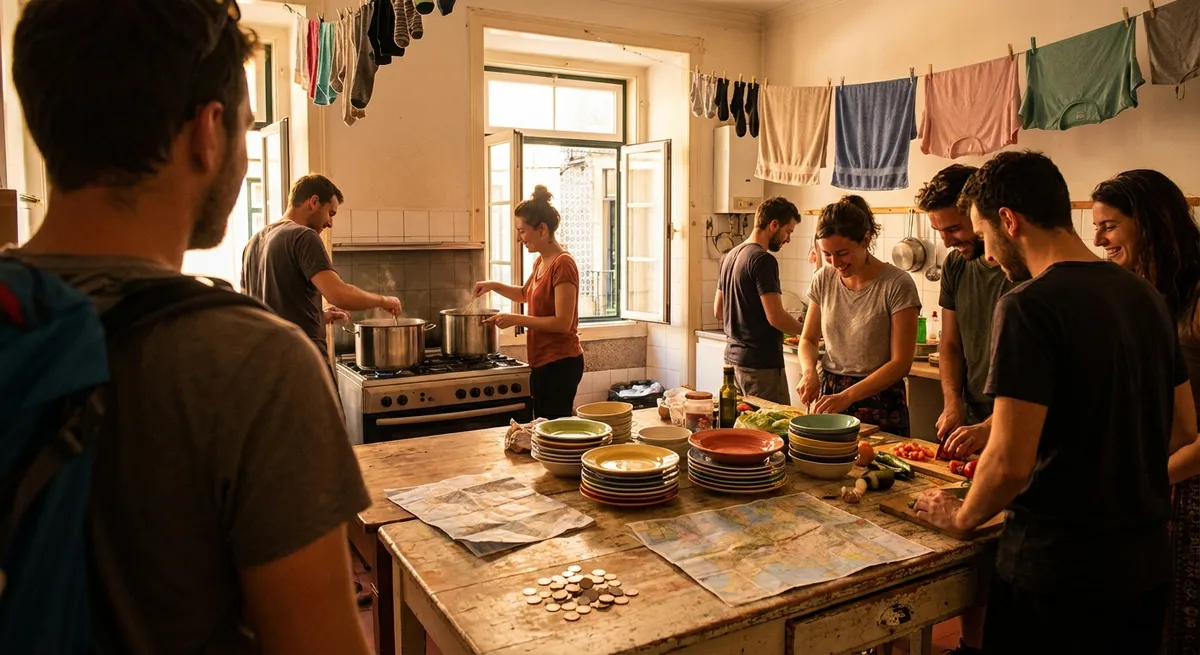
- Has kitchen access (even a basic kitchenette), so you can make breakfast, prep snacks, or have one simple meal in per day.
- Offers laundry access if you’re staying more than a few days, so you can pack lighter and avoid extra baggage fees.
Sometimes a slightly higher nightly rate in a central area can save you money overall by cutting your transport costs and allowing you to self-cater occasionally. Also, many places offer discounts on weekly stays—booking five to seven nights in one spot can unlock lower per-night rates and reduce the “moving around” costs that add up quickly.
If you’re really watching your budget, consider:
- Hostels with private rooms (cheaper than many hotels, but with social spaces)
- Guesthouses and homestays
- House-sitting or home exchange platforms (usually more planning required, but huge savings)
Eat Like a Local (Which Usually Means: Not on the Main Square)
Food is often one of the biggest budget leaks—but it doesn’t have to be.
Avoid tourist traps by walking a few blocks away from main attractions and checking where locals actually go. Look for:
- Menus in the local language first (with translations second)
- Lunchtime “menu of the day” or fixed-price specials
- Busy spots with a mix of families, workers, and locals on break
Make your “expensive” meal of the day lunch instead of dinner; set menus are often cheaper at midday, and portions can be just as generous. Then have something simple for dinner—like takeaway, bakery items, or snacks from a supermarket.
Also, don’t overlook:
- Street food in places where it’s safe and widely eaten by locals
- Food halls and markets where you can sample multiple local dishes for less
- Grocery store breakfasts (yogurt, fruit, pastries, coffee) instead of café sit-downs every day
You’ll still get a real taste of the destination—just without the inflated “tourist-menu” prices.
Stack the Small Wins: Passes, Free Days, and Smart Transport Choices
Budget travel is often won in the details. A few strategic choices can add up to serious savings over a week or two.
Look for:
- City tourist passes that bundle transport and multiple attractions if you plan to visit enough included sites to make it worthwhile.
- Free museum days or hours—many major museums have one free day per month or discounted evenings.
- Transit passes for 24 hours, 3 days, or a week, which can be cheaper than single tickets if you move around a lot.
- Use public transit from the airport when it’s safe and available; airport trains and buses are often a fraction of taxi or rideshare costs.
- Consider regional buses and trains instead of flights for shorter distances—they can be cheaper and less stressful once you factor in airport time.
- Walk when possible. Some of the best budget “hacks” are simply exploring on foot: free, healthy, and full of serendipitous discoveries.
For transport in and between cities:
These choices don’t feel like sacrifices; they feel like smarter ways to experience the place more deeply while keeping your budget intact.
Conclusion
Budget travel isn’t about deprivation; it’s about intention. When you protect the experiences that matter most, let flexible tools guide your destination, choose accommodation that saves you money in multiple ways, eat like locals do, and stack small savings on passes and transport, your trip becomes both affordable and genuinely memorable.
Spend where it counts, save where it doesn’t—and you’ll be surprised how far your travel budget can really go.
Sources
- U.S. Bureau of Transportation Statistics – Air Travel Consumer Reports - Data and insights on airfare trends and consumer issues in air travel
- Google Flights Help Center - Official guidance on using flexible search and price tracking features
- Hostelling International - Overview of hostel-style accommodation and what to expect, helpful for budget stays
- U.S. Department of State – Travel Information - Official safety, entry, and planning information for international travelers
- Lonely Planet – Budget Travel Tips - Practical, experience-based suggestions for saving money on the road
Key Takeaway
The most important thing to remember from this article is that following these steps can lead to great results.