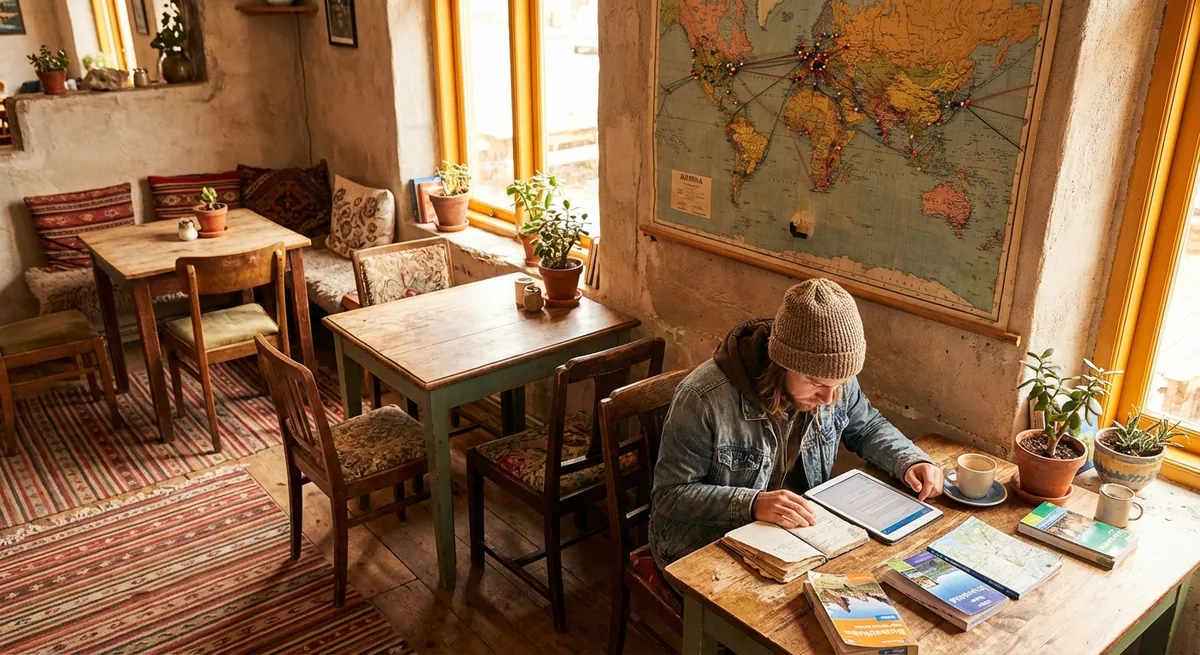
If you’ve ever come home from a trip thinking, “That was nice, but it didn’t quite feel like me,” this guide is for you. Instead of chasing the same “Top 10” lists everyone else is saving on Instagram, you can build a destination shortlist that actually fits how you like to move, eat, explore, and rest. Let’s turn the world map into a menu tailored to your travel style—and give you practical ways to spot your next favorite place before the crowds do.
Start With Your Travel Identity, Not the Destination
Most people start with a country or city and then try to force their preferences to match it. Flip that. Begin with who you are as a traveler right now (it can change over time).
Ask yourself:
- Do you recharge in nature or in cities full of energy?
- Do you prefer slow mornings in cafés or sunrise hikes?
- Is food your main event, or just a refuel stop between experiences?
- Do you like structured days or room for spontaneous wandering?
- How comfortable are you with unfamiliar languages and systems?
Write down 5–7 “must-haves” and 3 clear “no-thanks.” Examples might be: “walkable city center,” “good public transit,” “temperate weather,” “safe for solo travelers at night,” or “not super humid.” These become your filter for every potential destination.
Practical Tip #1: Create a “Destination Fit Checklist”
Before you add anywhere to your shortlist, score it quickly against your checklist (for example, 1–5 on walkability, food scene, nature access, budget fit, and safety). A destination doesn’t need a perfect score, but you’ll immediately see which places align with your reality, not just their aesthetic.
Use Themed Searches Instead of Country Lists
Instead of searching “best places to visit this year,” search by theme that reflects your travel identity. Algorithms will push different, often more interesting ideas when you get specific about what you’re looking for.
Try searches like:
- “Mountain towns with hot springs”
- “Walkable cities with historic centers and good public transit”
- “Coastal villages with hiking trails nearby”
- “Underrated wine regions with bike paths”
- “Art cities with strong contemporary galleries”
Then cross-check what you find with official tourism boards and maps.
Practical Tip #2: Cross-Check With Official Tourism Websites
Once a place catches your eye, look at its official tourism or city site (for example, VisitScotland, Tourism Australia, or your target city’s tourism board). These sites often show:
- Seasonal events and festivals you’d miss on generic lists
- Infrastructure details (bike rentals, transit cards, tourist passes)
- Regional highlights beyond the main city
Not only does this confirm whether the destination fits your style, it also surfaces nearby towns or regions that might be an even better match.
Read Like a Local: Go Deeper Than Social Media
Social media is great for first impressions, but it can hide crucial realities: crowds, seasonal closures, or how the place actually feels at different times of year. Balance the glossy visuals with voices that live there.
Look for:
- Local news sites (city newspapers, regional magazines)
- Expat blogs or forums describing day-to-day life
- Subreddits or online communities dedicated to that city or country
- University or cultural institution pages listing public events
Pay attention to what locals complain about and what they love. Are they always talking about heat waves, traffic, or seasonal floods? Or do they rave about bike lanes, parks, and community festivals?
Practical Tip #3: Use Street View and Transit Planners Before You Commit
Before booking, drop into Google Street View (or similar tools) and virtually “walk” the neighborhood where you’re likely to stay. Ask yourself:
- Would I feel comfortable walking here at night?
- Are there sidewalks, cafés, and groceries within a short walk?
- Does this area match the vibe I want (quiet, busy, creative, historic)?
Then check local transit apps or planners (like city metro sites or Google Maps transit layer) to see how easily you can get around without a car. This gives you a realistic preview instead of relying on hotel marketing photos.
Match Your Timing to the Destination’s Real Rhythm
The “best time to visit” isn’t just about weather—it’s about how you like to experience a place. Some people thrive in busy, festival-filled seasons; others prefer calm, semi-quiet shoulder months when conversations run longer and lines are shorter.
Look at:
- Weather patterns across the whole year (average highs/lows, humidity, rainfall)
- School holidays in that country (and in nearby major visitor markets)
- Major events (sports tournaments, religious holidays, conventions)
You might find that an “off-peak” month in one destination is actually your sweet spot: cafés aren’t full, locals have more time to chat, and prices often soften.
Practical Tip #4: Align Your Energy Level With the Season
If you’re already tired or burned out, choose:
- Shoulder or off-season periods
- Smaller cities or regions with easy day trips
- Places where indoor and outdoor activities are balanced (museums and parks)
If you’re energized and ready for buzz, choose:
- Festivals or cultural event periods
- Cities with outdoor dining seasons and active nightlife
- Destinations famous for seasonal experiences (cherry blossoms, autumn leaves, Christmas markets)
This way, you’re not fighting the destination’s natural rhythm—you’re surfing it.
Build a Shortlist You Can Actually Use (Not Just Dream About)
Once you’ve gathered ideas, turn them into a practical shortlist that you can act on, instead of an endless “someday” board.
For each destination, jot down:
- Why it fits your travel identity (your top 3 reasons)
- Rough budget range (low, mid, high)
- Travel time from your home base and number of flight connections
- Ideal months for you (not just the internet’s “best month”)
- One nearby alternative (a smaller town or region with a similar vibe)
Then, compare your shortlist against your upcoming calendar:
- Do you have a long weekend? Pick a closer destination with fewer connections.
- Have time for a longer break? Go for somewhere that takes more effort to reach.
- Need a restorative trip? Choose your lowest-friction option: easy transit, familiar language, or simple logistics.
Practical Tip #5: Keep a Living “Next Three Trips” List
Instead of a huge bucket list, keep a simple “Next Three Trips” list in a note on your phone:
- Trip A: Short, easy, lower budget
- Trip B: Medium distance, moderate budget, new region
- Trip C: Bigger adventure that may need saving and planning
Update it as you learn more: swap destinations, adjust timing, and add notes from friends or articles you trust. When vacation time appears, you’re not starting from zero—you’re choosing from options that already match your style, budget, and energy.
Conclusion
Finding the right destination isn’t about luck or chasing whatever’s trending; it’s about aligning where you go with who you are and how you like to travel right now. When you start with your travel identity, search by theme, read like a local, match your energy to the season, and maintain a realistic shortlist, the world stops feeling overwhelming and starts feeling intentional. The result: trips that feel richer, calmer, and more you—and destinations you’ll want to return to, not just check off.
Sources
- U.S. Travel Association – Travel Planning Insights - Data on how travelers research and choose destinations, useful for understanding planning behavior
- UN World Tourism Organization (UNWTO) – Tourism Data & Insights - Global tourism trends, seasonality, and destination patterns that can inform when and where to go
- VisitScotland Official Tourism Site - Example of how national tourism boards present regions, activities, and seasonal information
- Google Travel – Explore Destinations - Tool for comparing destinations by price, timing, and general fit
- U.S. Department of State – Travel Advisories - Authoritative source for safety conditions and advisories in potential destinations
Key Takeaway
The most important thing to remember from this article is that following these steps can lead to great results.