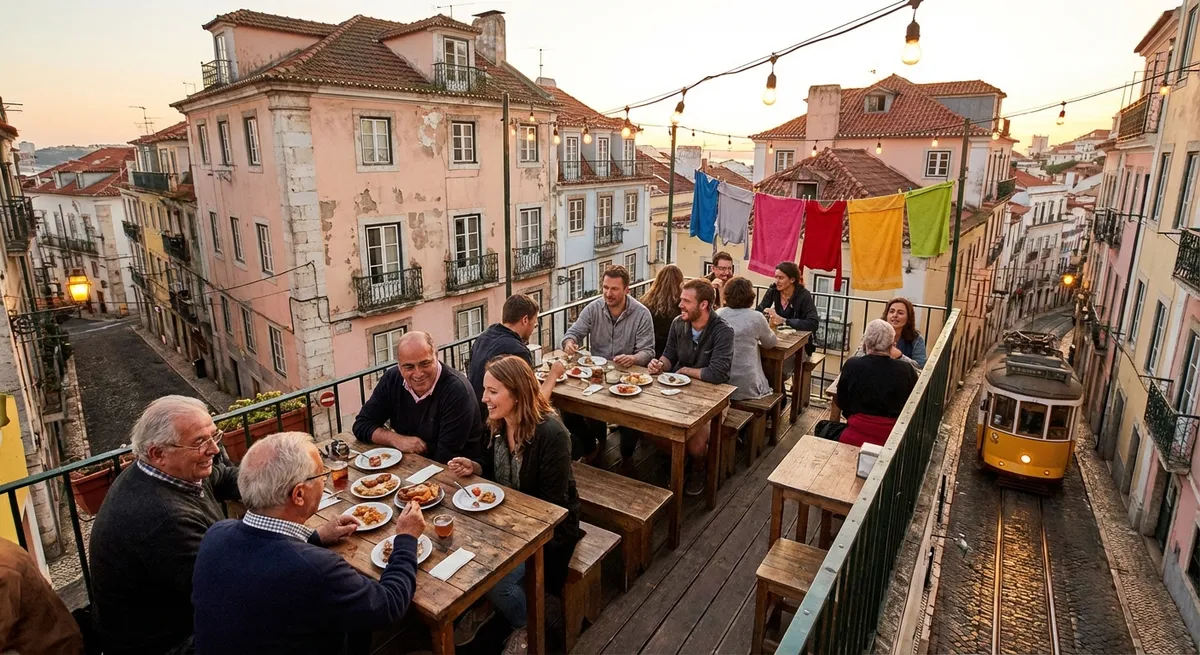
There’s a special kind of magic in landing somewhere new and realizing: “Why isn’t everyone talking about this place?” Big-name destinations are fun, but some of the most rewarding city breaks happen in spots that fly just under the radar. This guide will help you uncover those “why didn’t I come here sooner?” cities—plus give you five practical, actionable tips to plan a trip that feels fresh, smooth, and unforgettable.
What Makes a City an Underrated Gem?
Underrated doesn’t mean boring; it usually means undiscovered—at least by international travelers. These cities often have:
- A strong local culture that isn’t overly curated for tourism
- Walkable neighborhoods with real people doing real life (not just souvenir shops)
- Great food scenes at prices that don’t knock the wind out of you
- A mix of history, modern life, and nature within reach
Think places like Porto instead of Lisbon, Bologna instead of Florence, or Osaka instead of Tokyo. You still get incredible food, architecture, and energy—just with fewer crowds and more room to breathe.
When you look beyond the “top 10” lists, you open the door to trips that feel more personal and less scripted. You also often get better value on accommodations and experiences, making your budget stretch naturally without feeling like you’re “sacrificing.”
Tip 1: Plan Around Themes, Not Just Countries
Instead of starting with “Where should I go?” try starting with “What do I want this trip to feel like?”
A theme gives your city search direction and makes it easier to find underrated destinations that really fit you. Some examples:
- Café Culture & Bookstores: Think Leuven (Belgium), Tbilisi (Georgia), or Portland (USA). Search phrases like “best cities for coffee culture” or “underrated literary cities.”
- Waterfront Vibes Without the Mega Crowds: Swap Venice for Trieste, or Dubrovnik for Šibenik or Split. Look for “less crowded coastal cities in [region].”
- Street Food Adventures: Cities like Penang (Malaysia), Puebla (Mexico), or Chengdu (China) shine here. Search “street food capital” or “foodie cities” + your region of interest.
- Creative & Design Scenes: Think Eindhoven (Netherlands), Medellín (Colombia), or Malmö (Sweden). Search “design city” or “creative city” along with “emerging.”
Once you have a theme, you’ll start noticing patterns—certain cities pop up repeatedly in niche blogs, local tourism boards, or travel forums. That’s often your signal that a place is well-loved but not yet overrun.
Tip 2: Use Local Data Clues to Choose the Best Time to Go
Choosing when to visit can completely change how a city feels—and how much you enjoy it.
Here’s how to make a smarter timing call:
- Check local events first, not flights first. Search “[city] events calendar” or use city tourism sites to spot festivals, sports events, or public holidays. A huge festival may be exciting—or it might mean surging hotel prices and crowded trains.
- Look at weather beyond temperature. Humidity, rain, and air quality can matter more than degrees. Use climate tools and official weather sites to see rainfall patterns, heat waves, or seasonal winds.
- Pay attention to school holidays. National holidays and school breaks (especially in Europe, East Asia, and North America) can seriously affect crowds and prices. Search “[country] school holidays [year].”
- Use Google Maps and local business hours. Drop the map into different times of day and days of the week to see when places are busiest and whether businesses you care about (museums, parks, cafés) are actually open.
The sweet spot is often a window where the city is fully “awake”—markets open, outdoor tables out, ferries running—but just before or just after peak tourism. You get the local rhythm without the shoulder-to-shoulder sidewalks.
Tip 3: Choose a “Home Base” Neighborhood (Then Explore Outward)
Where you sleep shapes how a city feels. Instead of booking purely by price or star rating, choose your neighborhood on purpose, and then find your stay within it.
Here’s a simple approach:
- Start with transit, not landmarks. Open the city’s metro/bus map (most tourism boards or transit authorities publish them online). Mark where you’ll likely spend time: historic center, main station, waterfront, a couple of key museums or districts. Then look for neighborhoods with direct connections to most of those.
- Use map tools like a local. In Google Maps, turn on “public transit” and “bicycling” layers. Search “bakery,” “supermarket,” and “pharmacy” around candidate neighborhoods. If all three exist within a 10–15 minute walk, daily life will be much easier.
- Zoom into street level. Use Street View and satellite imagery to check: Are sidewalks wide? Is there greenery? Does it feel residential or tourist-heavy? Do cafés have people working on laptops, or is it mostly bar traffic? Match this to your vibe.
- Balance quiet nights with easy mornings. A spot 10–15 minutes’ walk outside the tourist center often means better sleep, more authentic restaurants, and lower prices—without losing convenience.
Once you’ve chosen a base, imagine your first day step-by-step: Where will you get coffee? Where’s your nearest ATM or metro station? If those answers come easily just from looking at the map, you’ve probably picked well.
Tip 4: Build a Flexible Daily Framework (Not a Rigid Itinerary)
For city trips, over-scheduling is a fast way to turn “exploration” into “exhaustion.” Instead, create a light structure that leaves space for surprises.
Try this framework:
- Anchor each day with just one “must-do.” A major museum, a particular neighborhood walk, or a food experience (like a cooking class or market visit). Plan that first.
- Group sights by cluster, not category. Instead of “museum day” and “park day,” look at the map. If three interesting spots sit within a 20-minute walk of each other, that’s your half-day cluster. This cuts down transit time and gives you space to wander between.
- Add one backup option per half-day. A café, a small gallery, a viewpoint, or a park bench with a great view. If you find a place crowded or closed, you already know your Plan B nearby.
- Schedule intentional “no-plan” windows. A couple of hours here and there where the only rule is: follow your curiosity. Turn down side streets, step into courtyards, peek into local markets. These unscripted pockets often become trip highlights.
Think of your plan as a set of rails, not a cage. You know what matters most; everything else is flexible. That keeps stress low and leaves room for serendipity—like that tiny bakery you wouldn’t have found if you’d been rushing to your fifth “must-see.”
Tip 5: Connect With the City Before You Land
Arriving with a bit of context turns random buildings into stories and side streets into discoveries. You don’t have to “study”—just dip your toe in.
Try this before your trip:
- Read a short, city-specific article or history overview. Even 10–15 minutes with a reliable source gives you anchor points: why the city grew here, what it’s known for, which neighborhoods tell different parts of the story.
- Search for a local perspective. Look for blogs, local newspapers, or city magazines (often in English) to see what issues people are actually talking about—new bike lanes, food trends, art spaces, changing neighborhoods.
- Listen to a podcast episode or watch a documentary segment. Hearing local voices, accents, and stories gives you a mental “feel” for the place before you go.
- Learn a handful of phrases if there’s another language. Even just “hello,” “thank you,” “please,” “this is delicious,” and “excuse me” can change how people interact with you.
On arrival, you’ll recognize street names from what you’ve read, understand why a monument matters, or notice how a new mural reflects current events. The city goes from “pretty backdrop” to a living place you’re temporarily part of—and that connection makes travel far richer.
Conclusion
Your next unforgettable city break doesn’t have to be the one everyone is already posting about. By choosing a theme instead of a country, timing your visit with local life in mind, picking a neighborhood as your home base, structuring your days lightly, and connecting with the city before you even arrive, you give yourself room to discover places that feel uniquely yours.
The world is full of cities that don’t make the front page of travel guides but quietly deliver incredible food, friendly locals, meaningful history, and atmosphere that lingers long after you’ve flown home. Start with curiosity, add a bit of smart planning, and let your next destination surprise you—in the best way.
Sources
- UN World Tourism Organization (UNWTO) - Global tourism data and trends that help explain seasonality, visitor flows, and emerging destinations
- OECD Tourism Trends and Policies - Insight into how different countries and cities manage tourism, including urban tourism and lesser-known destinations
- European Travel Commission – Destinations - Official information on European destinations, including city-focused reports and seasonal travel insights
- Japan National Tourism Organization - Example of a national tourism board’s destination pages, useful for understanding how to research cities, regions, and events
- U.S. National Weather Service Climate Data - Reliable climate and weather data to help travelers choose the best time to visit various U.S. cities and understand seasonal patterns
Key Takeaway
The most important thing to remember from this article is that this information can change how you think about Destinations.