Alpine rescue teams in Austria are back in global headlines after officials finally identified 33‑year‑old Kerstin Gurtner, who tragically froze to death on Austria’s highest peak after being abandoned by her boyfriend—now facing negligent homicide charges. It’s a heartbreaking story, and it’s forcing a serious conversation about high‑altitude safety just as winter conditions lock in across the Alps. If you’ve been dreaming of summiting Grossglockner, exploring Tyrol, or tackling bucket‑list routes from Innsbruck to Zell am See, this is the moment to get brutally honest about how prepared you really are.
Mountain tourism is booming again, with record visitor numbers returning to the Austrian Alps, the Dolomites, and Swiss resorts like Zermatt and St. Moritz. Social media is packed with “epic” summit selfies—but the line between adventure and emergency can be frighteningly thin at altitude, especially in winter or shoulder seasons. Inspired by what’s happening right now in Austria, this guide is your reality‑check toolkit: how to experience Europe’s most dramatic peaks safely, without becoming the next cautionary headline.
Understand What “High Alpine” Really Means
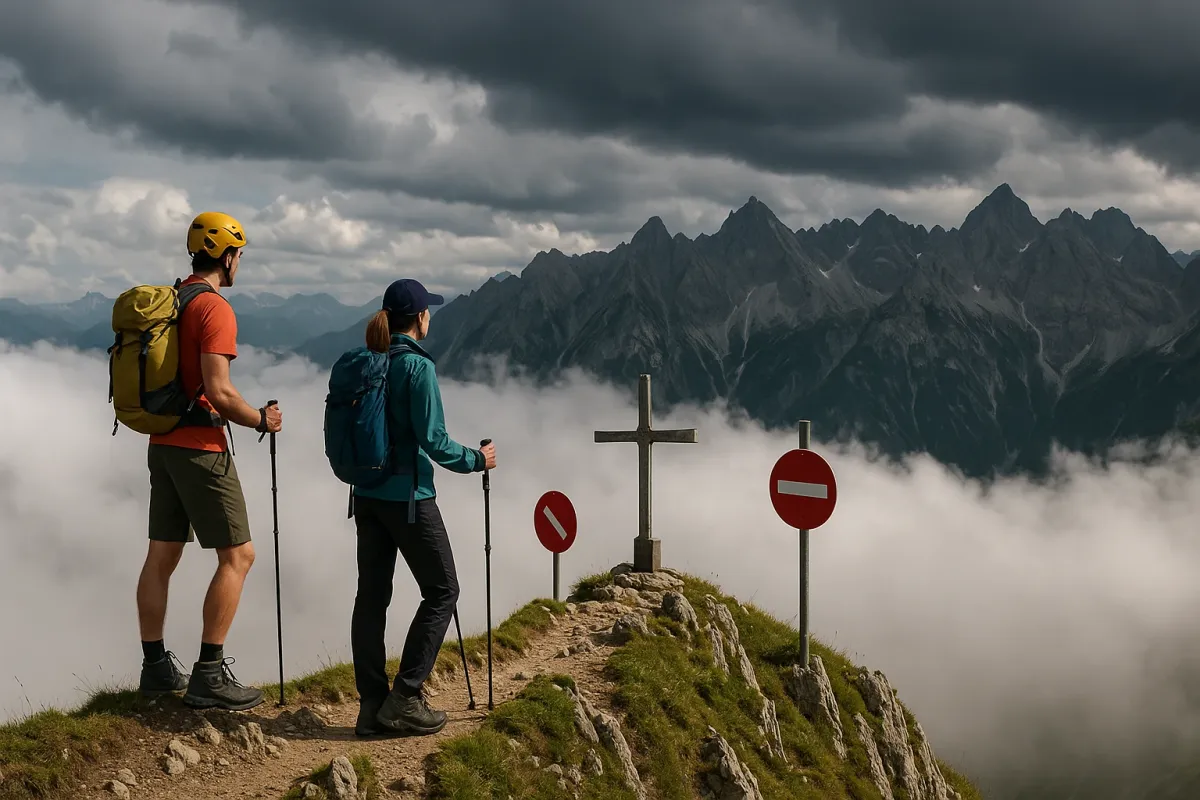
Austria’s tallest mountain, Grossglockner (3,798 m), looks accessible in photos, especially with popular glacier roads and viewpoints drawing tourists by the busload. But high alpine terrain is not just “a tougher hike”—it’s a different environment entirely. Above the treeline, weather changes fast, trails disappear under snow, and wind chill can push temperatures well below freezing even when valleys feel mild. On ridgelines, a wrong step can mean ice, cornices, or sheer drops.
When planning routes around hotspots like the Hohe Tauern National Park, the Ötztal Alps, or Dachstein, read descriptions carefully. Phrases like “exposed,” “via ferrata,” “glaciated,” or “alpine route” are red flags if you don’t have the technical experience or gear. Local alpine clubs such as Alpenverein (the Austrian Alpine Club) and tourist offices publish clear difficulty ratings; treat them as non‑negotiable, not suggestions. If you’re used to day hikes in US National Parks or UK hills, temper your expectations—an “easy” valley trail in Tyrol is not the same as a summit push on Austria’s highest peaks.
Never Underestimate Weather (Or Start Too Late)
In the case now making headlines, investigators are focusing on how long the couple was exposed to brutal cold on Austria’s highest peak. Time is everything in the mountains. A blue‑sky morning above Kitzsteinhorn or Stubai can flip to whiteout by early afternoon, and in winter, night falls faster than you think. Rescue teams across the Alps keep repeating the same message this season: start earlier, or don’t start.
Before you leave your guesthouse in places like Kaprun, Mayrhofen, or Sölden, check three things: the regional avalanche report (Lawinenwarndienst), a high‑resolution local forecast (e.g., Meteoblue or Bergfex), and sunset time. Build a strict turn‑around time that gets you back well before dark—even if “the summit is so close.” If clouds are building, wind is picking up, or you’re slower than planned, heading down is not failure; it’s good mountain judgment. And don’t ignore what locals say: if your hut host or guide in St. Anton tells you the ridge isn’t safe today, believe them.
Choose Partners You Trust (And Set Clear Rules)
The Austrian case is hitting such a nerve because it goes against one of the most basic rules of mountain travel: you do not abandon your partner. When you head into high alpine terrain—whether in Austria, Switzerland, or the French Alps—you’re entering an environment where your safety is directly tied to the people you’re with. This is not the place for half‑committed friends, new dates you barely know, or someone trying to “prove” how fit they are.
Before you even book that cozy pension in Zell am See or a hut night on an Austrian Höhenweg, sit down with your group and agree on ground rules: You stay together. You wait for the slowest person. If anyone wants to turn around for any reason (cold, fear, pace), the whole group goes down. No shaming, no “just push a bit more.” Decide who’s responsible for navigation, who carries the emergency gear, and how you’ll communicate if visibility drops. If a partner pressures you to take risks you’re not comfortable with, cancel the trip or join a guided group instead. Your life is worth more than an Instagram reel.
Dress and Pack for the Worst, Not the Best
In almost every alpine accident report—especially in winter or on glaciers—rescuers mention inadequate clothing or missing emergency gear. The Austrian tragedy has once again highlighted how brutally fast hypothermia can set in when someone is stuck, injured, or separated from the trail at altitude. The forecast might say “sunny,” but you must pack for “stuck on a windy ridge at night.”
For destinations like Grossglockner High Alpine Road, the Dachstein skywalk, or any summit route over 2,000–2,500 m, treat it like a serious mountain day, not a scenic stroll. Think in layers: moisture‑wicking base, warm mid‑layer (fleece or light down), and a fully waterproof, windproof shell. Always bring hat, gloves, an extra warm layer, and high, sturdy boots with good tread; in icy seasons, microspikes or crampons can be lifesavers. Toss in a headlamp (with full batteries), emergency blanket, basic first‑aid kit, high‑energy snacks, and at least one fully charged phone—with local emergency numbers (like 112 or the Austrian mountain rescue number) saved. You may never need any of it. That’s the goal.
Know When to Hire a Guide or Stay Below the Snow Line
The surge in alpine tourism—fueled by TikTok clips from spots like Hallstatt, Innsbruck’s Nordkette, or the spectacular Krimml Waterfalls—has created a dangerous illusion that “if other tourists are doing it, it must be fine.” But mountain professionals across Austria are urging visitors this season to be realistic: guided trips and lower‑level adventures are not a downgrade; they’re often the smartest choice.
If a route involves glaciers, steep snow, or technical ridges—common on big peaks like Grossglockner, Wildspitze, or Großvenediger—book a certified UIAGM/IFMGA guide through local Alpine schools. They’ll manage route choices, avalanche risk, and pacing for you, turning what could be a Russian roulette into a rich, safe experience. Not ready for that? There are gorgeous, lower‑risk options everywhere: panoramic winter walks above Innsbruck, snowshoe tours in the Salzkammergut, lakeside trails around Achensee, or valley paths through the Tyrolean villages. Right now, with winter conditions tightening their grip on the high Alps, “below the snow line” is where some of the most beautiful—and safest—travel memories are being made.
Conclusion
The tragic story unfolding on Austria’s highest peak is a sobering reminder that the mountains don’t care how experienced, fit, or in‑love we are. As the Alpine winter season ramps up and resort towns from Salzburg to Tyrol fill with visitors, the most powerful thing you can pack isn’t a new jacket—it’s respect. Respect for altitude, for weather, for your limits, and for the unbreakable rule that you never leave someone behind.
You can absolutely have the alpine adventure you’ve been dreaming of this year: sunrise above the clouds, hot chocolate in a hut, the crunch of snow under your boots. Let what’s happening in Austria right now sharpen your planning, not scare you away. Choose the right route, the right partners, and the right gear—and the Alps will reward you with everything they’re famous for, minus the emergency headlines.
Key Takeaway
The most important thing to remember from this article is that following these steps can lead to great results.